
Views: 222 Author: Amanda Publish Time: 2025-10-08 Origin: Site


Content Menu
>> Benefits of Using Quick Hitch
● Types of Quick Hitch for Excavators
● Step-by-Step Guide: How to Use Quick Hitch on Excavator
>> Step 1: Inspect the Equipment
>> Step 2: Prepare the Excavator and Attachment
>> Step 3: Approach the Attachment Carefully
>> Step 4: Engage the Quick Hitch
>> Step 5: Test the Attachment
>> Step 6: Detach the Attachment Safely
● Safety Guidelines for Using Quick Hitch on Excavators
● Maintenance Tips for Quick Hitch on Used Excavators
● Maximizing Productivity with Quick Hitch on Used Excavators
● Troubleshooting Common Problems
● Recommended Practices for Using Quick Hitch on Different Excavator Sizes
● Frequently Asked Questions (FAQ)
>> 1. What types of attachments can I use with a quick hitch?
>> 2. Can I install a quick hitch on any used excavator?
>> 3. How often should I perform maintenance on the quick hitch?
>> 4. Is using a quick hitch on a used excavator safe?
>> 5. What common problems should I watch for when using a quick hitch?
For anyone working with heavy machinery, especially those who frequently use a used excavator, mastering the quick hitch system is essential for enhancing productivity and safety on the job site. KeyChain Venture Co., Ltd., a leading supplier of commercial vehicles in China, understands the importance of efficient equipment handling. This comprehensive guide will walk you through how to use the quick hitch on an excavator effectively, providing clear instructions and illustrations.
The quick hitch system is a hydraulic coupling device that allows operators to change excavator attachments quickly and safely without leaving the cab. This feature is a game-changer, shortening downtime and increasing operational efficiency, especially important when using a Used Excavator, where functionality and ease of maintenance are crucial.
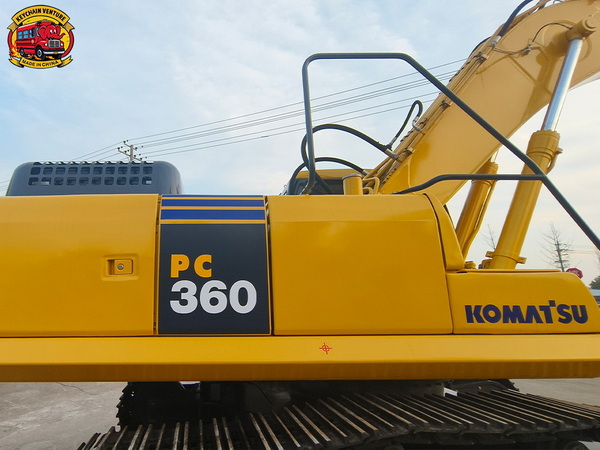
A quick hitch is an attachment mechanism that allows an excavator operator to switch attachments such as buckets, thumbs, and breakers quickly and without manual intervention. It is typically mounted on the excavator arm and is controlled hydraulically. This device helps in improving project turnaround time while reducing the risks involved with manual detachment.
- Saves time when switching attachments
- Enhances safety by reducing manual handling
- Reduces wear and tear on attachment parts
- Increases overall efficiency on the worksite
- Ideal for used excavators where convenience and operational speed are priorities
There are different types of quick hitches designed to fit various excavator models and sizes, including:
- Mechanical Quick Hitch: Requires manual locking with a pin or lever. Usually less expensive but slower to operate.
- Hydraulic Quick Hitch: Uses the excavator's hydraulic system for locking and unlocking, enabling faster and safer attachment changes.
- Electric Quick Hitch: Incorporates an electric locking system for precise control, often used on modern excavators.
Each type comes with various features, and selecting the right one depends on your excavator's specifications and the nature of your work.
Before using the quick hitch, inspect the excavator and the hitch mechanism thoroughly. Ensure there are no visible damages or hydraulic leaks. Verify compatibility with your used excavator model by checking manufacturer specifications.
Position the excavator on stable ground, ensuring the machine is secure and shut off any unnecessary power to prevent accidents. Clean the attachment and quick hitch to eliminate debris that may affect locking or cause wear.
Maneuver the excavator boom and arm so that the quick hitch aligns perfectly with the attachment's mounting points. This requires precision to maximize efficiency and avoid damage.
- For hydraulic quick hitches: Activate the hydraulic lock control inside the cab, engaging the pins to secure the attachment automatically.
- For mechanical quick hitches: Manually insert and secure locking pins or levers.
It is critical to listen for audible clicks or watch locking indicators to confirm a successful connection.
Gently move the excavator arm to test the stability of the attachment. There should be no noticeable play or looseness, as this could lead to accidents or damage.
When detaching, ensure the excavator is on firm and level ground. Reverse the locking process—disengage hydraulic locks or manually unlock mechanical pins. Make sure to lower the attachment safely to the ground before moving the excavator arm away.
To ensure safe operation, always:
- Wear appropriate Personal Protective Equipment (PPE).
- Conduct a visual inspection of the quick hitch and attachment before starting work.
- Never overload the attachment beyond the capacity recommended by the manufacturer.
- Keep clear of the quick hitch mechanism while operating.
- Always confirm the attachment is fully secured before beginning work.
- Never leave the cab during attachment changes unless absolutely necessary. If you do, make sure the excavator is stabilized and powered off.
These steps protect the operator, prolong equipment lifespan, and prevent costly accidents.
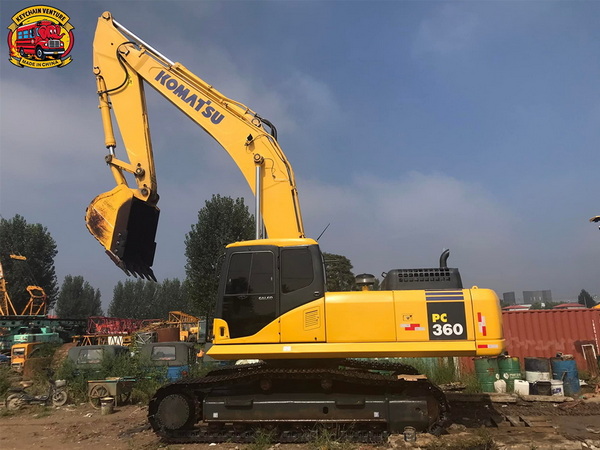
Maintaining your quick hitch ensures smooth operation and extends its working life, especially important for operators using a used excavator where parts might be more susceptible to wear.
- Lubricate regularly: Apply grease and lubrication to all pivot points and moving parts as specified by the manufacturer.
- Inspect hydraulic hoses: Look for cracks, leaks, or bulging in hydraulic lines associated with the quick hitch system.
- Check locking mechanisms: Ensure pins, bolts, and locking levers are intact and free of deformation.
- Clean frequently: Remove dirt and debris that can jam the locking system or cause premature wear.
- Conduct operational tests: Periodically engage and disengage the quick hitch to test hydraulic pressure and mechanical movement.
- Replace worn parts promptly: Using damaged components can lead to costly breakdowns or accidents.
Maintenance schedules should follow manufacturers' recommendations and be adjusted depending on the frequency of use.
Using a quick hitch significantly boosts efficiency on the job site by enabling rapid switching between tools. Workers can move fluidly from digging tasks to demolition or material gripping without waiting long periods for manual attachment changes.
Operators of used excavators particularly benefit from quick hitches by reducing physical strain and operational downtime, which can be critical if the machinery is aging or less technologically advanced. Quick hitches allow older machines to remain competitive with modern equipment by improving their versatility and ease-of-use.
Even with routine maintenance, users may encounter common issues with the quick hitch system:
- Hydraulic leaks: These can reduce locking power and cause system failure. Inspect seals and hoses and replace if necessary.
- Misalignment: Poor positioning during engagement can cause attachment locking failure. Practice precise control of the excavator arm.
- Locking pin wear: Over time, pins can become damaged or bent. Replace pins according to wear limits.
- Hydraulic lock failure: Electrical or hydraulic control issues could prevent locking. Diagnose control valves, electrical connectors, and pressure sensors.
- Attachment play or looseness: Often caused by worn locking mechanisms or deformation of the hitch or attachment mounting points.
Addressing these problems promptly ensures safe and reliable operation.
Quick hitch systems are available for a wide range of excavator sizes, from mini excavators to heavy-duty models. The following practices optimize their usage:
- For small to medium excavators, ensure the quick hitch system is compact and lightweight to maintain machine balance.
- For large excavators, use heavy-duty hydraulic quick hitches capable of handling larger attachment weights and stresses.
- Always adjust the quick hitch pressure settings according to the attachment weight and excavator specifications.
- Train all operators thoroughly on the specific hitch type installed to avoid misuse.
By tailoring the quick hitch system to the excavator size and work type, you enhance both safety and performance.
Mastering the use of quick hitches on excavators is indispensable for improving operational efficiency, safety, and versatility—especially when working with used excavators. This system simplifies changing attachments, minimizes downtime, and reduces the physical demands on operators. Following proper procedures, safety protocols, and maintenance routines ensures your quick hitch performs reliably and prolongs your equipment's lifespan. Whether you are managing a busy construction site or handling specialized tasks, understanding and utilizing the quick hitch on your excavator is key to maximizing productivity.
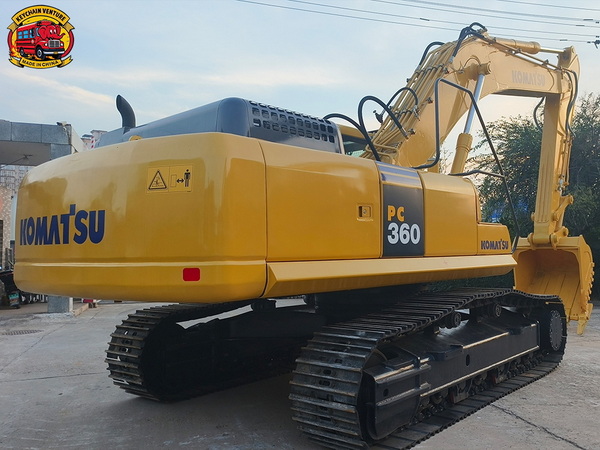
You can use a variety of attachments including buckets, breakers, grapples, thumbs, and rippers—as long as they are compatible with your excavator's quick hitch system.
Most excavators can be retrofitted with a quick hitch, but compatibility depends on the excavator's model, size, and hydraulic system. It's important to consult with your supplier.
Regular maintenance should be done weekly or as frequently as your usage dictates. This includes lubrication, inspection of hydraulic lines, and ensuring locking mechanisms are functioning properly.
Yes, quick hitches are designed to enhance safety by minimizing manual handling. Correct use and adherence to safety guidelines are crucial to ensure safe operation.
Watch for hydraulic leaks, worn locking pins, misalignment issues, and hydraulic lock failures. Timely inspections and maintenance will prevent most problems.


