
Views: 222 Author: Amanda Publish Time: 2025-11-23 Origin: Site


Content Menu
● Understanding the Dump Truck Business
● Defining Your Dump Truck Niche
● Setting Up a Legally Compliant Operation
● Insurance and Risk Management
● Preparing Your Dump Truck Fleet
● Investing in Technology and Telematics
● Identifying the Right Clients
● Prospecting and Outreach Strategies
● Creating a Professional Dump Truck Proposal
● Bidding Successfully on Public and Private Tenders
● Pricing Your Dump Truck Services Strategically
● Building a Recognizable Dump Truck Brand
● Marketing and Online Visibility
● Operational Excellence and Customer Service
● Scaling Your Dump Truck Business
● Working with Brokers and Intermediaries
● Managing Cash Flow and Financial Health
● Sustainability and Future Trends
● FAQ
>> 1. How much can a dump truck owner make per year?
>> 2. Is the dump truck industry growing?
>> 3. Do I need multiple dump trucks to win large contracts?
>> 4. What is the best way to find my first dump truck contract?
>> 5. How important is technology for modern dump truck contracts?
Securing a stable Dump Truck contract is the foundation of a profitable hauling business. A well-structured approach—from legal setup to targeted marketing—will help you win steady work with contractors, governments, and industrial clients while positioning your dump truck fleet as a trusted long-term partner.
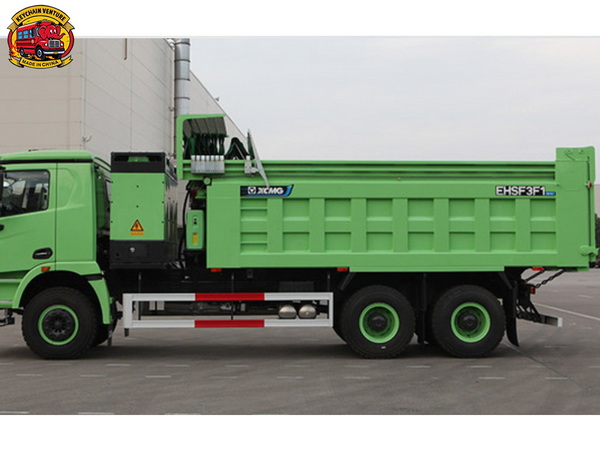
The global dump truck market continues to grow as infrastructure, mining, and urban construction expand worldwide. Demand comes from road building, real estate projects, quarry operations, and large-scale industrial facilities that constantly need reliable hauling capacity.[2][3]
In many regions, public infrastructure spending and private real estate development support long-term demand for dump truck services. Even when some segments slow down, others—like mining or municipal maintenance—can keep a well-managed dump truck business busy throughout the year.[4][6]
Choosing a clear niche helps you focus your marketing and investment decisions. A general “haul anything” approach can dilute your brand and raise operating costs.
Common dump truck niches include:
- Local construction and demolition hauling.
- Asphalt and aggregate delivery for roadworks.
- Mining and quarry hauling for bulk materials.
- Municipal waste, snow, and debris transport.
- Landscaping and agricultural bulk material delivery.
Each niche demands different payload capacity, distance profiles, and scheduling patterns. Matching your dump truck specifications, driver skills, and maintenance capabilities to one or two core niches makes your business more attractive to clients looking for specialists rather than generalists.
Before chasing contracts, ensure the dump truck business meets all legal and regulatory requirements. This protects your company and reassures potential clients that you operate professionally.
Key legal elements often include:
- Forming a legal entity (such as an LLC or corporation) to separate personal and business liability.
- Obtaining a tax identification number for invoicing and compliance.
- Securing the correct operating authority or permits for commercial haulage.
- Ensuring every driver holds the correct commercial license for the dump truck class.
Many public and corporate buyers will not consider a supplier that cannot provide full proof of compliance. Presenting all legal documentation clearly in your proposals helps differentiate your dump truck business from informal competitors.
Comprehensive insurance is essential when bidding for serious dump truck contracts. Hauling heavy materials in demanding environments exposes both equipment and people to risk.
Typical coverage areas include:
- Commercial auto liability for accidents on public roads.
- Physical damage coverage for the dump truck itself.
- Cargo coverage for the materials being transported.
- General liability insurance to cover third-party damage or injury.
Some large contracts may also require proof of workers' compensation insurance and higher liability limits. Proactively discussing coverage levels with an insurance specialist experienced in trucking helps align your risk management with client expectations.
Clients value reliability above almost everything else. A breakdown during peak work can delay projects and damage trust. For that reason, a disciplined maintenance program is a critical factor in winning and keeping dump truck contracts.
Important preparation steps include:
- Establishing inspection routines before and after every trip.
- Maintaining detailed service records for each dump truck unit.
- Replacing critical wear components (such as brakes and tires) before failure.
- Calibrating dump bodies, hydraulics, and tailgates to handle different materials safely.
Well-documented maintenance also strengthens your proposal when clients evaluate safety and uptime risk. Many larger customers explicitly request maintenance records when awarding dump truck contracts.
Modern dump truck contracts increasingly favor fleets that use technology to improve transparency and productivity. Digital tools allow clients to monitor performance and give you better control over costs.
Helpful technologies include:
- GPS tracking for each dump truck to optimize routing and reduce deadhead miles.
- Telematics that monitor fuel consumption, idle time, and driving behavior.
- Digital dispatch systems that coordinate multiple loads and drivers more efficiently.
- Maintenance software to track service intervals and parts usage.
These tools can reduce fuel costs, extend vehicle life, and provide data that strengthens future contract bids. Some large contractors now make telematics capability a preferred or even required feature for dump truck vendors.
Not every potential customer will be a good match for your dump truck business. Focusing on strategic prospects increases the chance of winning profitable, repeat work instead of low-margin, one-off jobs.
Primary sources of dump truck contracts include:
- General contractors and road builders handling long-term projects.
- Local governments managing public works, snow removal, or waste hauling.
- Mining and quarry operators that require steady material movement.
- Industrial plants and logistics hubs that generate ongoing bulk transport needs.
Start by listing companies in your operating radius that regularly handle earthmoving, aggregates, asphalt, or demolition debris. Map your dump truck capacity and operating hours to their typical project sizes and work patterns.
Once your target list is ready, consistent outreach is essential to turn potential clients into contract partners. Professional presentation sets serious dump truck operators apart from casual owner‑operators.
Effective outreach tactics include:
- Calling or emailing construction estimators, project managers, and procurement officers.
- Attending local contractor association meetings and trade shows.
- Joining regional trucking and construction organizations for networking.
- Sharing project wins and service updates on business-focused social platforms.
Whenever possible, request an in-person or video meeting to discuss their current and upcoming projects. Use this time to learn which types of dump trucks they prefer, average load volumes, and any issues they have faced with previous haulers.
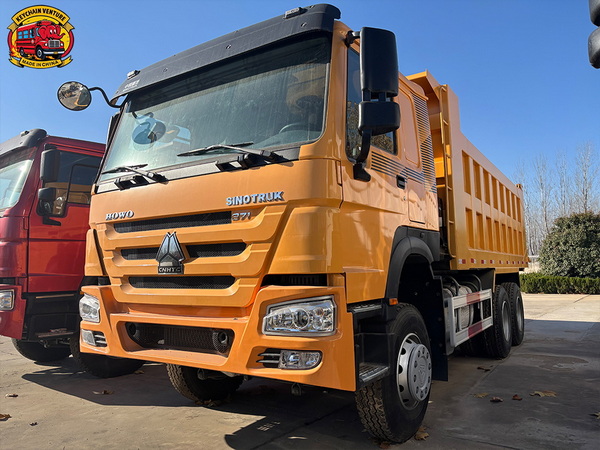
A structured, visually clear proposal or quote significantly improves the chances of winning a contract, especially with larger organizations. Many decision makers compare several bids and look not only at price but also clarity and risk.
A strong dump truck contract proposal typically includes:
- A concise company overview describing your dump truck fleet, experience, and service area.
- Details of available trucks: capacity, configuration, and any special features.
- Safety and compliance credentials, including certifications, training, and inspection records.
- Evidence of insurance coverage, including limits relevant to the project.
- A clear pricing model: per load, per ton, per hour, or per project, depending on client expectations.
- Service terms such as minimum hours, cancellation policies, and fuel surcharge rules.
Use language that directly addresses the client's objectives: on-time delivery, compliance, safety, and cost control. Emphasize how your dump truck operation helps them reduce risk and complete projects more efficiently.
Many dump truck contracts are awarded through formal bidding processes. Understanding how tenders are structured and evaluated allows you to submit more competitive and compliant responses.
Key bidding practices:
- Read all tender documents carefully, paying attention to required documents and evaluation criteria.
- Ensure every requested certificate, license, or insurance proof is current and included.
- Clarify any ambiguous terms with the issuing organization before submitting your bid.
- Avoid underpricing to win at all costs; unsustainable rates can lead to cash flow stress and service issues later.
Public-sector dump truck contracts may emphasize compliance, transparency, and past performance more than low price alone. Private contractors often care deeply about reliability, communication, and flexibility in addition to cost.
Pricing is a balancing act between competitiveness and profitability. Dump truck operators must consider both fixed and variable costs when setting rates.
Important cost factors:
- Fuel consumption based on route length, idle time, and load weight.
- Driver wages, overtime, and benefits.
- Maintenance and tires, especially when operating on rough construction or mining sites.
- Insurance, permits, tolls, and administrative overhead.
Some dump truck businesses prefer hourly rates for shorter or unpredictable projects, while others use tonnage or per‑load pricing for material-focused work. For long-term contracts, consider pricing tiers or volume discounts that reward consistent business but still protect your margins.
Even in a traditional sector, branding matters. A clear identity helps clients remember your dump truck services and associate them with reliability and professionalism.
Simple branding elements include:
- A consistent company name and logo displayed on each dump truck.
- Clean trucks and tidy driver uniforms that project a professional image on job sites.
- Standardized email signatures, quotes, and invoices using the same brand style.
- A concise tagline that highlights your core value, such as speed, safety, or specialty hauling.
A strong brand can justify slightly higher rates because clients associate that brand with lower risk, better communication, and consistent performance.
Many potential clients now research service providers online before making contact. A targeted digital presence helps your dump truck business appear credible and approachable.
Helpful marketing steps:
- Launch a professional website that clearly explains dump truck services, service areas, and contact methods.
- Create service pages optimized for phrases like “dump truck hauling,” “construction dump truck services,” or “bulk material hauling.”
- Publish short case studies or project summaries that demonstrate your capability.
- Encourage satisfied clients to leave reviews on relevant platforms or provide testimonials you can feature.
Paid advertising can supplement organic marketing by targeting users searching specifically for dump truck services in your region. Regular updates—such as project milestones or safety achievements—keep your brand active and visible.
Winning a dump truck contract is only the beginning. Renewals, extensions, and referrals depend on how well you execute daily operations under real-world conditions.
Best practices for service quality:
- Arrive early to load and dump sites to avoid delaying other contractors.
- Keep communication open if traffic, weather, or mechanical issues threaten schedules.
- Train drivers to interact respectfully with site supervisors and follow site rules.
- Monitor performance metrics such as on-time rate, completed loads per day, and incident frequency.
High service standards reduce disputes and rework, which in turn strengthens relationships and improves profitability over the life of a dump truck contract.
As demand grows, you may consider expanding beyond a single dump truck. Scaling requires careful planning to avoid overextending resources.
Growth strategies include:
- Adding additional dump truck units progressively as contract volume increases.
- Hiring or subcontracting additional drivers during peak seasons.
- Diversifying into related services, such as equipment hauling or on-site material management.
- Forming joint ventures with other haulers to bid for larger multi-truck contracts.
Scaling should always align with available capital, maintenance capacity, and administrative support. Sustainable growth keeps service quality high while increasing revenue opportunities.
Not all dump truck work needs to be sourced directly. In some markets, brokers or third‑party logistics firms act as intermediaries between shippers and haulers.
Benefits of working with brokers:
- Rapid access to a variety of short-term and long-term dump truck loads.
- Reduced time spent on marketing and lead generation.
- Opportunities to fill schedule gaps between larger contracts.
However, brokered work often pays slightly less due to commission. Use brokers strategically to maintain truck utilization while still focusing on securing higher-margin direct contracts.
Even with excellent contracts, poor cash flow management can destabilize a dump truck operation. Many clients, especially larger organizations, pay on extended terms.
Practical financial measures:
- Negotiate clear payment terms, including any late-fee clauses, before starting work.
- Use invoicing software to bill promptly and track outstanding payments.
- Maintain a cash reserve or credit line to cover fuel, wages, and maintenance during payment delays.
- Carefully review each new dump truck contract for financial risk and adjust pricing or terms as needed.
Healthy financial management allows you to invest in better equipment, training, and marketing, which in turn supports more competitive contract bids.
Sustainability is becoming more important in the dump truck sector as regulators and clients push for lower emissions and safer operations.[6]
Trends affecting future contracts include:
- Growing interest in lower‑emission or alternative-fuel dump trucks, especially in urban areas.
- Stricter emissions regulations that may require fleet upgrades or retrofits.
- Increased use of telematics data to prove environmental and safety performance.
Positioning your dump truck business as forward‑looking and environmentally responsible can open doors to premium projects and long-term framework agreements with large organizations.
Getting a dump truck contract requires more than owning a capable vehicle. Success comes from combining legal compliance, reliable equipment, disciplined maintenance, and smart pricing with strong marketing and professional proposals. By choosing a clear niche, targeting the right clients, investing in technology, and delivering consistent service quality, your dump truck business can secure long-term contracts that provide stable revenue and opportunities for sustainable growth. As infrastructure development, urban construction, and industrial projects expand, well-managed dump truck operators are well placed to build profitable, resilient operations in this dynamic market.
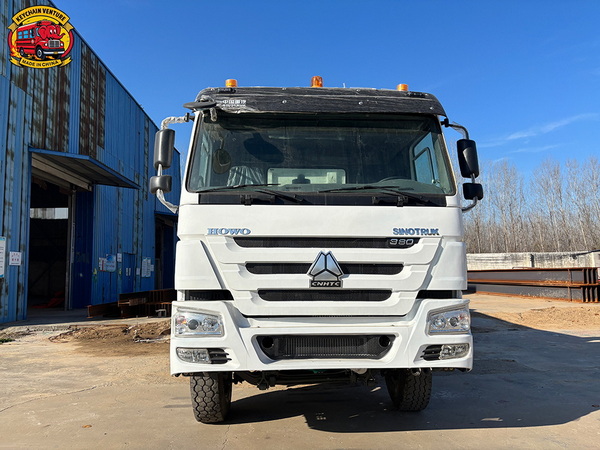
Income for a dump truck owner varies by region, contract type, and utilization rates, but many owner‑operators generate solid annual revenue when they keep their trucks working consistently on local hauling routes. Profitability improves when fixed costs like insurance and maintenance are spread across more billable hours and loads.
Yes, the dump truck industry is expanding globally, driven by infrastructure projects, mining, quarrying, and urban development that require constant material movement. Market analyses indicate steady growth over the coming years, with rising investment in efficient and technologically advanced dump truck fleets.[2][4][6]
Not always; some large clients accept small operators if they demonstrate reliability, strong safety practices, and the ability to coordinate with other haulers. However, owning or managing access to multiple dump trucks through partnerships can make it easier to meet tight schedules and win multi‑truck contracts.
The most effective approach is to start locally by contacting construction firms, paving companies, and municipal departments in your operating area. Combining direct outreach, membership in contractor associations, and a professional online presence gives potential clients several ways to discover and trust your dump truck services.
Technology is increasingly important because clients want transparency, efficiency, and accurate reporting. GPS tracking, telematics, and digital dispatch systems help you prove performance, reduce fuel costs, and respond quickly to schedule changes, all of which make your dump truck business more competitive when bidding for contracts.[3][7]
[1](https://www.ibisworld.com/united-states/industry/dump-truck-services/5668/)
[2](https://www.gminsights.com/industry-analysis/dump-trucks-market)
[3](https://finance.yahoo.com/news/dump-trucks-mining-trucks-industry-114500747.html)
[4](https://northeast.newschannelnebraska.com/story/53257825/dump-trucks-market-set-to-reach-8068-billion-by-2029)
[5](https://straitsresearch.com/report/dump-trucks-market)
[6](https://www.researchandmarkets.com/reports/5766863/dump-trucks-global-market-report)
[7](https://thendta.org/dump-truck-industry-data-and-statistics)
[8](https://www.grandviewresearch.com/horizon/outlook/dump-trucks-market/north-america)
[9](https://www.equipmentworld.com/market-pulse/article/15771085/topselling-articulated-dump-trucks-for-2024-2025)
[10](https://www.wexfordins.com/post/dump-truck-business-profitable-in-2025-wexford-insurance)


