Views: 222 Author: Amanda Publish Time: 2025-11-23 Origin: Site


Content Menu
● What Is Topsoil and Why It Matters
● Typical Dump Truck Topsoil Capacity
● Types of Dump Trucks for Topsoil
>> Tri-Axle and Super Dump Trucks
>> Transfer and Semi End Dump Trucks
● Why Weight Limits Matter More Than Volume
● How to Calculate the Topsoil You Need
>> Step 2: Compute Cubic Feet and Convert to Yards
>> Step 3: Convert to Dump Truck Loads
● Practical Example: Residential Project
● Factors That Change Dump Truck Capacity in Practice
>> Truck Body Dimensions and Configuration
>> Local Regulations and Job Conditions
● Choosing the Right Dump Truck for Your Project
● Dump Truck Capacity Compared with Other Options
● Optimizing Dump Truck Deliveries of Topsoil
>> Scheduling and Site Preparation
>> Coordinating Multiple Dump Trucks
>> Communication with the Driver
● Safety Practices When Using a Dump Truck
● Environmental Considerations in Topsoil Hauling
● Why Work with Professional Dump Truck Operators
● FAQ
>> What is the average capacity of a standard dump truck for topsoil?
>> How many dump truck loads of topsoil are needed for one acre?
>> Does wet topsoil change how many yards fit in a dump truck?
>> Can a small dump truck handle residential landscaping deliveries?
>> How can I quickly estimate how many dump truck loads of topsoil I need?
Understanding how many yards of topsoil a Dump Truck can carry is crucial for landscaping companies, construction contractors, and property owners planning earthwork projects. A good estimate helps you avoid material shortages, unnecessary return trips, and wasted budget while keeping operations safe and compliant with road regulations.
Topsoil is the upper layer of soil, usually the top 5–12 inches, rich in organic matter and microorganisms that support plant growth. It is commonly used for lawn installation, gardening, leveling low spots, backfilling, and improving poor-quality native soil. The structure of topsoil typically includes a blend of sand, silt, clay, and decomposed organic material, and this composition directly influences both its weight and volume per cubic yard.
Because topsoil density changes with moisture and organic content, one dump truck load of “topsoil” may weigh far more than the same volume of dry fill dirt or mulch. This is why dump truck operators never focus on volume alone; they also factor in weight limits, soil conditions, and road rules to determine how many yards of topsoil a dump truck can safely haul in one trip.
The capacity of a dump truck is usually described in cubic yards when dealing with loose materials such as topsoil, sand, or gravel. For topsoil, most commercial dump truck operators work within a practical range that balances volume and legal weight limits to avoid fines and mechanical stress on the vehicle.
In everyday practice, a typical standard dump truck used on construction and landscaping sites often carries about 10–14 cubic yards of loose materials under normal conditions. Smaller dump trucks used in residential work may only hold around 5–7 cubic yards per load, while larger configurations, such as tri-axle or “super” dump trucks, can handle 15–25 cubic yards or more, as long as their gross vehicle weight remains within road regulations. These ranges give project planners a realistic basis for scheduling and budgeting topsoil deliveries.
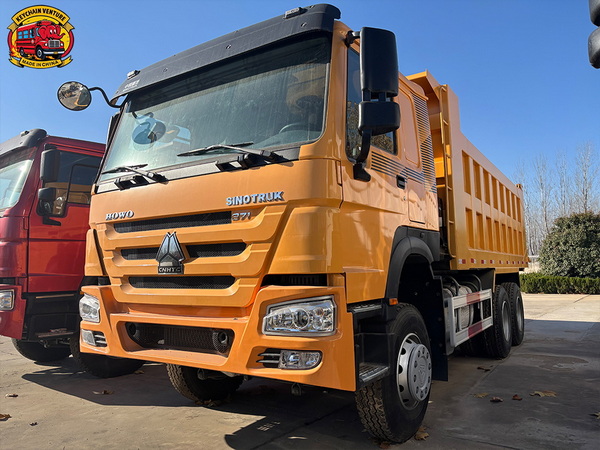
A standard dump truck has a single rigid chassis with a dump body mounted on the frame. Hydraulic cylinders lift the front of the bed to discharge the load. This is the most common style for local topsoil deliveries, driveway repairs, and small to mid-sized construction projects.
Standard dump trucks typically carry about 10–14 cubic yards of topsoil when loaded to a level or slightly “heaped” profile. Operators may adjust the load based on soil moisture; wetter, heavier topsoil often means reducing the number of yards to keep the weight within safe limits and to maintain stability when tipping the bed.
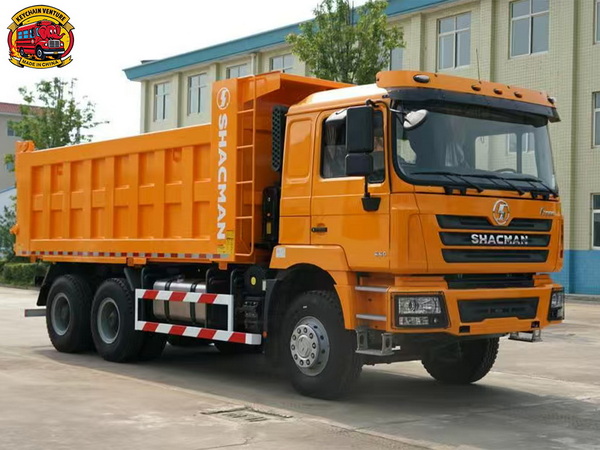
Tri-axle dump trucks and super dumps add more axles to spread weight over a larger area, increasing allowable payload under many highway regulations. These trucks are popular with contractors who move large quantities of topsoil, sand, or aggregates daily.
Depending on specifications and regional rules, tri-axle or super dump trucks can carry in the range of 15–25 cubic yards of topsoil per load. The added capacity reduces trips for big jobs, making them ideal for subdivision developments, large landscaping projects, and commercial or industrial site grading.
Transfer dump trucks combine a standard dump truck with a separate trailer that can be loaded and then transferred into the main body. Semi end dump trucks, by contrast, use a tractor–trailer configuration with a long dump body that raises from the front to discharge material through the rear.
Both transfer dump trucks and semi end dumps can often haul 20–25 cubic yards of topsoil in a single journey, depending on body length and height. They are particularly useful for long-distance hauling where road efficiency matters more than tight maneuvering, such as supplying topsoil from a distant pit to a large highway or industrial job site.
Even though topsoil orders are placed in cubic yards, dump truck capacity is ultimately governed by weight. A cubic yard of topsoil might weigh roughly between 1,000 and 2,500 pounds depending on how wet and compacted it is. Moisture from rain or irrigation can push the weight toward the upper end of the range, which significantly impacts how many yards a dump truck can legally carry.
Most general highway regulations set a cap on gross vehicle weight, which includes the weight of the truck, fuel, driver, and load combined. If a dump truck weighs about 20,000–25,000 pounds empty and the legal limit is around 80,000 pounds, then the maximum payload cannot exceed roughly 55,000–60,000 pounds. For dry, lighter topsoil, that may translate into 14 or more cubic yards, while very wet, heavy soil might limit safe capacity to 10–12 cubic yards or less. Professional hauling companies constantly balance these factors to remain compliant while still delivering efficient loads.
Measure the length and width of the area in feet. Decide how deep the layer of topsoil should be, also in feet. For example, a new lawn might require 4–6 inches of topsoil, while garden beds may need 8–12 inches.
Multiply length × width × depth to find total cubic feet. Then divide that number by 27 to convert to cubic yards, because one cubic yard equals 27 cubic feet. For instance, if the project area is 60 feet long, 30 feet wide, and needs 0.5 feet (6 inches) of topsoil, the volume is (60 × 30 × 0.5 = 900) cubic feet. Dividing 900 by 27 yields about 33.3 cubic yards.
Once the total cubic yards are known, simply divide by the capacity of the chosen dump truck. If a standard dump truck holds 12 cubic yards, then (33.3 ÷ 12 ≈ 2.8), so three dump truck loads of topsoil would be required. Using round numbers and a small safety margin ensures you do not run short, which could delay grading, planting, or compaction work.
Imagine a homeowner planning to re-grade a backyard and install a new lawn. The area measures 80 feet by 40 feet and needs 4 inches of fresh topsoil. Converting 4 inches to feet gives 0.33 feet. Multiplying 80 × 40 × 0.33 results in about 1,056 cubic feet of topsoil required. Dividing by 27 gives roughly 39.1 cubic yards.
If the supplier uses a medium-sized dump truck capable of hauling 10 cubic yards per load, approximately four dump truck deliveries are necessary to meet the requirement. If a larger 15-yard dump truck is available and can be maneuvered safely into the neighborhood, three dump truck loads might be enough, leaving a small buffer for settling and grading losses.
Topsoil behaves very differently when wet versus dry. Wet soil packs more densely and is significantly heavier, which means a dump truck may have to haul fewer yards per trip to stay within axle and gross weight limits. Clay-heavy topsoil typically weighs more than sandy blends, further reducing the practical cubic yard capacity of a dump truck even if the body volume remains the same.
The internal length, width, and side height of a dump truck bed determine its maximum physical volume. Body lengths might range from 10 to 22 feet or more, with side heights that allow bodies to carry from under 4 cubic yards up to more than 30 cubic yards when completely filled. However, operators rarely load to the absolute geometric maximum because they must still consider weight restrictions and safe dumping characteristics.
Local and national road rules set strict standards for axle loadings, gross vehicle weight, and sometimes material type. On certain bridges or secondary roads, temporary or permanent lower limits might apply, forcing dump truck drivers to reduce yardage per load. Terrain and access also matter: on soft soil, steep slopes, or tight turns, drivers may prefer lighter loads to improve traction, braking, and stability when raising the dump body.
Selecting the right dump truck involves balancing capacity, site access, and cost. For small residential jobs with narrow driveways and limited turning space, a smaller dump truck carrying 5–7 cubic yards can often reach the desired drop point safely. These trucks reduce the risk of damaging pavement, fences, or landscaping features.
For mid-sized commercial building sites or roadwork, standard dump trucks with 10–14 cubic yard capacity provide an excellent compromise between maneuverability and hauling efficiency. For very large projects, such as new industrial parks, highway embankments, or major land development, contractors may prefer tri-axle, super dump, or semi end dump trucks that move 15–25 cubic yards of topsoil per trip. Companies like KeyChain Venture Co., Ltd. support such operations by supplying robust heavy-duty dump trucks and tractor–trailer combinations designed for intensive commercial use.
Pickup trucks and small dump trailers are sometimes used for topsoil, especially in do-it-yourself landscaping. A typical full-size pickup may hold just 1–2 cubic yards of topsoil before reaching its payload limit, which is quickly exceeded when the soil is wet. Small dump trailers pulled by pickups can carry 3–5 cubic yards, but frequent trips and slower unloading often make them less efficient on larger projects.
By comparison, even a modest dump truck can haul as much material as several pickups or small trailers in one journey. On larger sites, a single full-size dump truck can replace ten or more pickup trips. This difference in volume—and the ability to unload in seconds by raising the hydraulic bed—explains why dump trucks remain the backbone of commercial topsoil transport.
Careful scheduling ensures that dump truck deliveries of topsoil arrive when site crews and equipment are ready. If compactors, skid steers, or graders are not available when the dump truck arrives, piles may sit long enough to become overly compacted or saturated by rain. Preparing clear access paths, staging areas, and dumping locations helps the driver unload quickly and safely.
For major projects, coordinating a fleet of dump trucks keeps grading equipment busy without idle time. Dispatchers may stagger departure times from the source to create a steady flow of loads rather than having all dump trucks arrive at once. This improves efficiency for both hauler and client, avoids congestion at the site entrance, and lets crews spread and grade topsoil continuously.
Clear instructions make each dump truck run more productive. The site contact should communicate where to dump the load, any ground hazards, and whether the topsoil should be spread while dumping or left in a compact pile. Good coordination reduces the need to re-handle material, which saves fuel and machine hours.
Safety is central whenever a dump truck delivers and unloads topsoil. The bed should be raised only on firm, level ground; soft or sloping surfaces increase the risk of rollovers when the center of gravity shifts during dumping. Drivers should ensure that overhead obstacles such as power lines, tree branches, or building eaves are well clear of the raised body.
Loads must be evenly distributed within the dump body to prevent side-to-side imbalances. Many regions require tarps or covers on dump truck loads of topsoil to prevent dust and material from blowing off at speed. Observing posted weight limits, obeying speed limits, and using proper signaling devices all contribute to safe and compliant dump truck operations from pit to job site.
Topsoil is a valuable resource, and responsible handling matters. Over-stripping native topsoil without reclamation can harm local ecosystems, so many projects pair dump truck removal with topsoil storage and reuse plans. When importing topsoil by dump truck, clients should confirm that the material meets quality and contamination standards, especially for residential gardens, playgrounds, or agricultural land.
Using modern, fuel-efficient dump trucks helps reduce emissions per cubic yard of topsoil transported. Well-maintained engines, proper tire inflation, and optimized routing all improve environmental performance. KeyChain Venture Co., Ltd. focuses on supplying commercial dump trucks that integrate advanced powertrains, reliable braking systems, and durable suspensions to support sustainable, long-term duty cycles in demanding hauling environments.
Professional dump truck providers bring more than just equipment; they also contribute experience and logistical expertise. They understand how many yards of topsoil a specific dump truck can carry under real-world conditions and can offer practical advice on the number of loads, scheduling, and site access. Their familiarity with permits, local road restrictions, and weight regulations reduces the risk of delays or fines.
When projects require both heavy-duty vehicles and specialized planning, working with a supplier that understands commercial fleets—such as KeyChain Venture Co., Ltd.—helps ensure the right combination of dump trucks, drivers, and support vehicles. This integration improves reliability, reduces downtime, and helps keep complex construction or landscaping schedules on track.
Knowing how many yards of topsoil a dump truck can carry is the foundation for accurate material estimates, efficient hauling schedules, and safe, compliant operations. While physical dump body dimensions provide an initial guideline, real-world capacity always depends on weight limits, soil moisture, material density, and local road regulations. For most jobs, standard dump trucks carry around 10–14 cubic yards of topsoil, smaller trucks handle about 5–7 yards, and larger tri-axle, super dump, transfer, or semi end dump trucks may haul 15–25 cubic yards or more per trip. By measuring project areas carefully, converting volume requirements to cubic yards, and matching them with appropriate dump truck capacity, contractors and property owners can avoid costly miscalculations. Partnering with experienced commercial vehicle suppliers and professional dump truck operators further ensures that every load of topsoil arrives safely, on time, and ready to support successful landscaping or construction results.
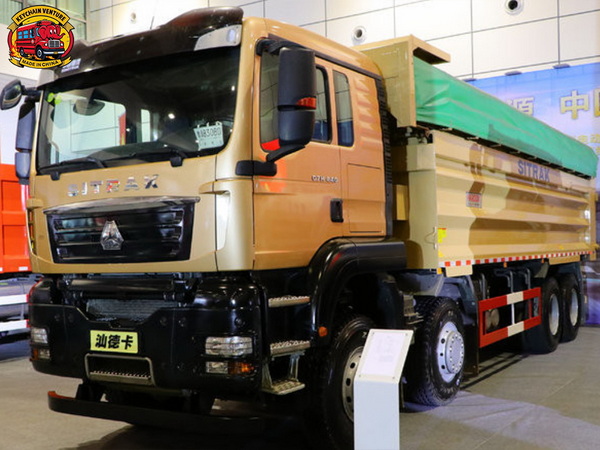
A standard dump truck commonly used for construction and landscaping work typically carries about 10–14 cubic yards of topsoil per load under normal conditions. The exact figure depends on the truck's bed dimensions, axle configuration, and the legal gross vehicle weight limit in the operating region.
To cover one acre (about 43,560 square feet) with 4 inches of topsoil, you need roughly 540–550 cubic yards of material. If each dump truck holds 12 cubic yards of topsoil, that equals about 45–46 dump truck loads; a larger 20-yard dump truck would reduce this to around 27–28 loads.
Yes. Wet topsoil is much heavier than dry topsoil, so the dump truck may reach its legal weight limit with fewer cubic yards in the bed. In rainy seasons or after irrigation, operators often reduce the number of yards per load, even if the dump body could physically hold more, to avoid overloading and maintain safe braking and stability.
Small dump trucks are well suited for residential landscaping because they are easier to maneuver on narrow streets and into tight driveways. These trucks usually haul around 5–7 cubic yards of topsoil, which is enough for many garden, lawn, or small re-grading projects, and they reduce the risk of damaging pavement or nearby structures.
First, measure the project area in feet and choose the desired depth in feet. Multiply length × width × depth to get cubic feet, then divide by 27 to convert to cubic yards. Finally, divide the total cubic yards by the capacity of the chosen dump truck (for example, 10, 12, or 15 yards). Rounding up and adding a small margin ensures you have enough topsoil to allow for settling and fine grading.
[1](https://www.earthhaulers.com/how-much-dirt-can-a-dump-truck-carry/)
[2](https://construction.unitedequip.com/news-and-events/dump-truck-faqs/)
[3](https://www.soilconnect.com/blog/how-many-cubic-yards-are-really-in-a-truck)
[4](https://www.coopskw.com/learn-about-dump-truck-capacity/)
[5](https://atlantadumptruckhauling.com/how-to-calculate-dump-truck-load-capacity/)
[6](https://municibid.com/blog/calculate-dump-truck-capacity)
[7](https://www.dirtconnections.com/how-much-topsoil-do-i-need-2/)
[8](https://www.know-howequipment.com/industry-news/dump-truck-load-capacity-a-comprehensive-overview.html)
[9](https://www.lynchtruckcenter.com/manufacturer-information-how-much-can-a-dump-truck-carry.html)