


Content Menu
● Standard Width of a Semi Trailer
● Why Is Width Standardization Important?
● Other Important Semi Trailer Dimensions
● Types of Semi Trailers and Their Widths
● Materials and Construction of Semi Trailers
● Innovations in Semi Trailer Design
● Legal Regulations on Semi Trailer Dimensions
● Practical Considerations for Businesses
● Frequently Asked Questions (FAQs)
>> 1. What is the legal width of a standard semi trailer?
>> 2. Can semi trailers be wider than 8.5 feet?
>> 3. Do all types of semi trailers have the same width?
>> 4. How does trailer width affect highway permits?
>> 5. Are semi trailer widths the same internationally?
Understanding the dimensions of a semi trailer is essential for anyone involved in logistics, transportation, or the commercial vehicle industry. Whether you are a truck driver, fleet manager, or supplier like KeyChain Venture Co., Ltd., knowing the standard measurements helps ensure compliance with regulations, optimize loading, and improve safety on the roads. This comprehensive article will focus primarily on the width of semi trailers, but will also cover length, height, types, materials, innovations, and legal considerations to provide a complete picture.

A semi trailer is the trailer unit without a front axle that attaches to a tractor unit or truck to form a semi-truck combination. Unlike full trailers, semi trailers have wheels only at the back and rely on the tractor or another trailer for support at the front. This design allows for ease of maneuverability and better weight distribution during transport. Semi trailers are widely used for carrying freight across long distances domestically and internationally. Their configurations vary by cargo type and regional regulations.
Semi trailers have become the backbone of freight transport due to their efficiency in hauling large volumes of goods. The connection system, known as the fifth wheel coupling, secures the trailer to the tractor unit, enabling flexible articulation during turns and lane changes.
The standard width of a semi trailer in the United States and most countries is 8.5 feet (102 inches). This width is almost universal across different types of trailers including reefer, dry van, flatbed, and tanker trailers.
- According to the Federal Highway Administration, the maximum allowed width for semi trailers on highways is 8.5 feet.
- This width corresponds to the standardized width of highway lanes, which is 12 feet wide, allowing vehicles to safely operate while maintaining lane discipline.
- Some specific vehicle features such as mirrors can extend beyond the 8.5 feet width, sometimes making the total width up to 10 feet, but these do not count towards the legal width limit.
This width standard ensures the trailer is wide enough to carry significant freight volume while maintaining safety on public roads without needing special oversize load permits in most cases.
Width standardization is crucial in the commercial transportation industry for several reasons:
- Safety: Proper width ensures trucks can navigate highways and bridges without risking collisions or off-road excursions. Adequate clearance with surrounding vehicles is maintained, reducing accident risks.
- Legal Compliance: Staying within width limits avoids costly fines and delays due to oversize load permits. Trucking companies are spared from cumbersome permit processes, which can delay shipments.
- Road Infrastructure Compatibility: Width standards align with infrastructure design such as lane width, bridge clearances, toll booth sizing, and roadside barriers to facilitate smooth traffic flow and prevent damage.
- Interstate and International Consistency: Uniform widths enable interstate and international commerce without legal conflicts during cross-state or cross-border transport.
By following these standards, trucking operators can maintain smooth operations navigating a complex network of local, state, and federal roadways.
While width is a key dimension, length and height are also critical to a complete understanding of semi trailer sizing:
- Length: Semi trailers usually range from 48 to 53 feet in length. The 53-foot trailer is the most common for freight hauling, especially in the U.S., and offers a good balance between cargo volume and road maneuverability. Some specialized trailers can extend longer but may require special permits.
- Height: Typical trailer height limits range from 13.5 to 14 feet. This height is designed to allow trailers to pass safely under bridges, tunnels, and overpasses across most regions.
- Weight: Maximum gross vehicle weight including the tractor, trailer, and cargo is usually limited to 80,000 pounds in the U.S.
These dimensions together define the envelope within which semi trailers must operate, balancing freight capacity with regulatory compliance and road safety.
Different types of trailers serve different purposes but generally abide by the same 8.5-foot width rule:
- Dry Van Trailers: Fully enclosed box trailers used for general cargo, protecting goods from weather.
- Flatbed Trailers: Open trailers ideal for carrying oversized or irregularly shaped cargo that doesn't require enclosure.
- Refrigerated Trailers (Reefers): Insulated trailers with temperature control for transporting perishables.
- Tanker Trailers: Used to transport liquids or gases, designed to meet safety regulations for hazardous materials.
- Lowboy Trailers: Designed with extra low decks to transport tall machinery or equipment.
- Extendable Trailers: Adjustable-length trailers used for long loads, still conforming to width limits.
Limiting width to the standard 8.5 feet ensures the trailers can travel on highways legally and efficiently despite differences in length or specialization.
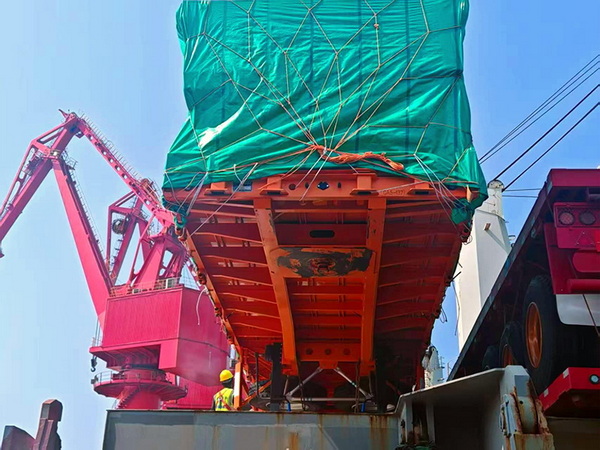
The choice of materials and construction methods for semi trailers impacts their durability, weight, and cost:
- Steel Frames: Most traditional trailers have steel frames providing strength and durability to carry heavy loads.
- Aluminum Components: Many trailers use aluminum for panels and structural parts to reduce weight and improve fuel efficiency.
- Composite Materials: Increasingly used for lightweight yet strong trailer parts.
- Flooring: Can be wood, aluminum, or steel depending on the type of trailer and cargo requirements.
Lightweight yet durable trailers mean operators can maximize payload without exceeding legal weight limits.
The transportation industry continuously innovates in semi trailer design to improve efficiency and reduce environmental impact:
- Aerodynamics: Designing trailers with side skirts, tail fairings, and smooth surfaces to reduce wind resistance and save fuel.
- Smart Trailers: Integrated sensors monitor temperature, location, load stability, and security in real-time.
- Eco-Friendly Materials: Use of recycled and more sustainable materials to reduce environmental footprint.
- Modular Designs: Trailers that can be configured or extended quickly for different loads.
Suppliers like KeyChain Venture Co., Ltd. stay at the forefront by incorporating such innovations to serve diverse markets.
In the United States:
- The maximum width of 8.5 feet is enforced in 49 states.
- Hawaii allows slightly wider vehicles up to 9 feet.
- Vehicles wider than 8.5 feet require oversize load permits and additional safety measures such as escort vehicles.
- Local highway agencies may have additional restrictions or requirements depending on road type or region.
- Federal Motor Carrier Safety Administration (FMCSA) oversees regulations for compliance.
Many countries outside the U.S. have similar width limits, typically around 2.5 meters (approximately 8.2 feet). Adherence to regulations avoids heavy fines, vehicle impoundments, and delivery delays.
For companies like KeyChain Venture Co., Ltd., providing high-performance bus and heavy truck solutions, understanding trailer widths and overall dimensions is vital for:
- Customizing trailers to meet clients' transportation needs.
- Ensuring shipments comply with road safety and legal standards.
- Optimizing cargo space without exceeding width limits.
- Advising clients on proper route planning to avoid restrictions due to oversize loads.
- Designing trailers with advanced materials and features to boost client competitiveness.
Proper dimension knowledge helps manufacturers, suppliers, drivers, and logisticians work together for efficient freight movement.
The width of a semi trailer is a critical dimension for safe and legal road transport. The industry standard width of 8.5 feet balances cargo capacity with the need to comply with highway regulations and infrastructure limits. For businesses in commercial vehicle supply and transport solutions, such as KeyChain Venture Co., Ltd., understanding these dimensions is indispensable for designing, manufacturing, and operating semi trailer trucks that meet both client expectations and legal requirements. Complementing width with knowledge of length, height, construction materials, and legal regulations ensures smooth, efficient, and safe freight transportation across highways domestically and internationally. By embracing ongoing design innovations and adhering to standardized dimensions, the trucking industry can better serve the demanding logistics needs of today and tomorrow.
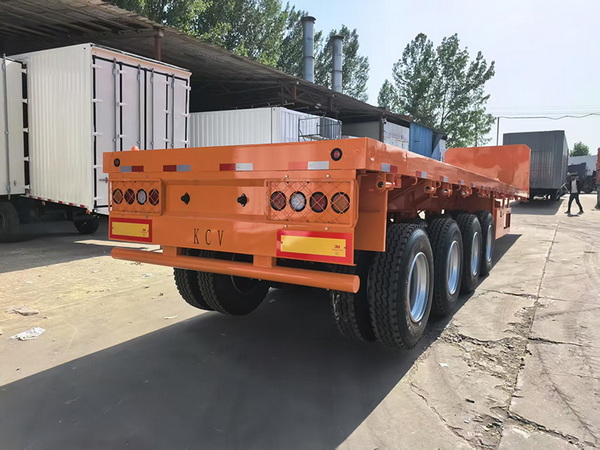
The legal width is generally 8.5 feet (102 inches) in the U.S., with Hawaii as an exception allowing up to 9 feet.
Yes, but they require special oversize load permits, escorts, and must follow strict route regulations.
Generally yes, types like dry vans, reefers, flatbeds, and tankers adhere to the 8.5 feet width standard.
Vehicles wider than 8.5 feet are considered oversize loads and require permits for operation on public roads and highways.
Most countries follow a similar standard of around 2.5 meters (about 8.2 feet), but specific national regulations may vary.
[1](https://schneiderjobs.com/blog/semi-truck-trailer-dimensions)
[2](https://www.1gptransinc.com/tools-to-help/trailer-types-and-dimensions)
[3](https://haletrailer.com/blog/semitrailer-length-laws-by-state/)
[4](https://en.wikipedia.org/wiki/Semi-trailer)
[5](https://www.swensonshelley.com/blog/what-is-the-difference-between-a-semi-truck-and-a-truck/)
[6](https://streamlogistics.com/trailer-dimensions/)
[7](https://en.wikipedia.org/wiki/Semi-trailer_truck)
[8](https://www.mlit.go.jp/road/road_e/p7_vehicle.html)
[9](https://www.charymachinery.com/semi-trailer-breakdown-what-you-need-to-know-about-semi-trucks-and-semi-trailers.html)
[10](https://yumatruckdrivingschool.com/blog/types-of-commercial-vehicles/)
[11](https://www.transwest.com/trailers/blog/semi-trailer-dimensions-length-and-what-can-you-haul/)
[12](https://haletrailer.com/blog/dimensions-53-trailer/)
[13](https://ops.fhwa.dot.gov/freight/publications/size_regs_final_rpt/size_regs_final_rpt.pdf)
[14](https://www.tecequipment.com/blog/everything-about-semi-trucks/)
[15](https://www.bergeystruckcenters.com/what-is-a-commercial-truck/)
[16](https://www.goodloading.com/en/blog/truck-transport/dimensions-and-types-of-semi-trailers/)
[17](https://www.alberta.ca/system/files/custom_downloaded_images/trans-tractor-semi-trailer.pdf)
[18](https://edu.trans.eu/en/blog/post/semi-trailer)
[19](https://www.godigit.com/motor-insurance/commercial-vehicle-insurance/truck-insurance/semi-trailer-trucks)
[20](https://www.spauldinginjurylaw.com/blogs/5758/how-wide-is-a-semi-trailer)


