
Views: 222 Author: Amanda Publish Time: 2025-11-23 Origin: Site


Content Menu
● Key Pricing Factors for a Dump Truck Load of Dirt
>> Delivery Distance and Access
>> Additional Services and Fees
● Typical Cost Range for a Dump Truck Load of Dirt
● Calculating How Much Dirt Your Project Needs
● Choosing the Right Dirt for Different Projects
>> Structural and Backfill Applications
>> Drainage and Special Conditions
● Optimizing Dump Truck Logistics for Large Projects
>> Coordinating Fleet Size and Cycle Time
>> Matching Dump Truck Type to Conditions
● Hidden Cost Drivers in Dump Truck Dirt Hauling
● Safety Considerations When Receiving a Dump Truck Load
● Working With KeyChain Venture Co., Ltd. for Dump Truck Solutions
● FAQ
>> 1. What is the average capacity of a Dump Truck for dirt?
>> 2. Why do prices for a Dump Truck load of dirt vary so much?
>> 3. How can I reduce the cost per Dump Truck load of dirt?
>> 4. Should I choose fill dirt or topsoil for my project?
>> 5. How do I decide how many Dump Truck loads of dirt I need?
As one of China's leading commercial vehicle suppliers, KeyChain Venture Co., Ltd. provides high‑performance heavy trucks and buses to customers around the world, and the Dump Truck is one of the most requested vehicles for earthmoving work. A common and practical question from contractors, landscapers, and homeowners is: How much does a Dump Truck load of dirt actually cost, and what affects that price? Understanding the cost structure helps you plan budgets accurately, choose the right dirt, and schedule the right Dump Truck fleet for your project.
A Dump Truck load of dirt typically costs somewhere in the range that reflects dirt type, delivery distance, volume, and local market rates. Different projects—from small garden upgrades to large construction foundations—require different quantities and qualities of dirt, and the right choice can save both money and time while improving long‑term stability and performance.
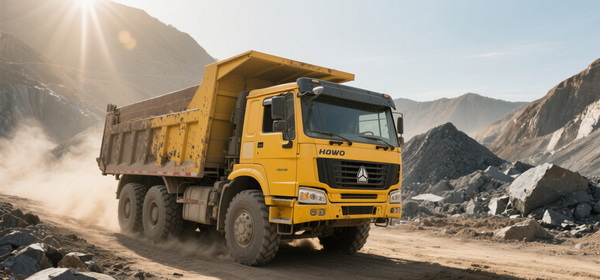
A “Dump Truck load” usually refers to the full capacity of a single Dump Truck body filled with loose material, most often measured in cubic yards. For dirt hauling, using cubic yards instead of weight is standard because soil density changes with moisture, composition, and compaction.
Most commercial Dump Trucks used for dirt hauling fit into a few broad categories:
- Small or single‑axle Dump Truck: Often used in urban or tight spaces; capacity is typically in the lower yard range.
- Standard or tandem‑axle Dump Truck: The workhorse for construction sites and residential deliveries, offering medium capacity suitable for most jobs.
- Articulated Dump Truck (ADT): Used on rough terrain or large construction projects where off‑road mobility is critical.
- Heavy or “super” Dump Truck configurations: Built to legally carry heavier loads in markets where axle laws permit higher gross weights.
Across these categories, a typical commercial Dump Truck that delivers dirt for construction or landscaping holds roughly the low double‑digit range of cubic yards, while very large highway or off‑road Dump Trucks can go higher. The exact number depends on local regulations, body design, and whether the material is heaped or level loaded.
The price of a Dump Truck load of dirt is never a single, fixed number: it is the sum of several interacting cost drivers. Understanding each factor helps you evaluate quotes and negotiate better.
The type of dirt is usually the first major cost driver:
- Fill dirt: Inexpensive, often unscreened, used mainly for backfilling, raising low spots, and creating stable sub‑bases. It can contain rocks and debris.
- Topsoil: Contains organic material, nutrients, and a finer structure for planting and turf; therefore priced higher than basic fill dirt.
- Screened or premium topsoil: Mechanically filtered to remove stones and clods, providing a smoother and more consistent material, and usually costing more per cubic yard.
- Special mixes: Blends with sand, compost, or other amendments for high‑performance lawns, sports fields, or horticultural projects, typically at the upper end of the price range.
Because materials are usually priced per cubic yard, a higher‑grade dirt can significantly change the total cost when multiplied by a full Dump Truck load.
The more cubic yards you buy, the more you pay in total—yet the cost per yard often decreases with higher volumes. Many suppliers structure pricing so that:
- A single small Dump Truck load has a higher per‑yard rate.
- Multiple full loads for a large site can unlock bulk discounts.
- Combining orders for different sections of the same project into fewer, larger loads usually reduces the cost per unit of dirt.
Project planners often target order volumes that match full Dump Truck loads to avoid paying premium prices on partial loads.
The distance from the dirt source or stockpile to your site has a major impact on pricing because fuel, driver time, and vehicle wear scale with distance and traffic conditions. Hauling companies typically structure charges in one of these ways:
- Base delivery fee within a limited radius, with extra charges per mile beyond a threshold.
- Tiered pricing by zone or region around the quarry or yard.
- Flat delivery rates under certain conditions, especially for regular customers.
Site access also matters. If a Dump Truck must take a longer route, wait for gate passes, or navigate complex internal roads, delivery time increases and may be reflected in the quote.
Local supply and demand conditions greatly influence the cost of a Dump Truck load of dirt:
- High construction activity in a region can push dirt and hauling prices upward.
- Seasonal factors like spring and early summer can create peak demand for topsoil and fill, especially in residential markets.
- Proximity to quarries, landfills, and recycling facilities significantly affects both material and hauling rates.
Understanding the local Dump Truck hauling market helps explain why two similar loads can cost different amounts in different cities.
The base price of a Dump Truck load of dirt usually covers loading, transport, and dumping. Extra services can include:
- Spreading or grading: The Dump Truck may tailgate spread dirt while moving, or separate equipment like loaders and graders may be deployed for custom shaping.
- On‑site waiting time: If the Dump Truck must wait for equipment, gates, or instructions, some carriers charge hourly standby fees.
- Special permits or escorts: Oversize or heavy loads in certain jurisdictions require additional paperwork and escorts, increasing the total cost.
Clear communication with your supplier reduces surprise charges and helps structure deliveries to minimize idle time.
While prices vary by region and season, most markets show a recognizable band of costs for typical Dump Truck loads of dirt:
- A bulk truck load of basic fill dirt with delivery is commonly priced in a moderate range that reflects low per‑yard material cost plus hauling.
- A Dump Truck load of topsoil or screened topsoil usually sits higher in price because the material itself is more expensive.
- Specialized premium mixes or engineered structural fills can increase the total further, especially when tested and certified for engineering use.
Many cost guides show that when you combine these factors, a single Dump Truck load of dirt for residential or light commercial use often falls within a bracket of a few hundred US dollars, with heavier urban labor and fuel costs pushing the number upward in some metropolitan areas. For very large construction sites ordering multiple loads each day, negotiated contract rates on Dump Truck services and material are common.
Before you order a Dump Truck, it is critical to estimate correctly how many cubic yards of dirt your project requires. The steps are straightforward:
1. Measure the area: Length and width in feet of the space you want to fill—such as a yard section, roadbed, or foundation trench.
2. Decide on depth: Desired fill depth, also in feet, accounting for compaction and final grade.
3. Compute volume in cubic feet: Multiply length × width × depth.
4. Convert to cubic yards: Divide by 27 because one cubic yard equals 27 cubic feet.
5. Translate to Dump Truck loads: Divide the total cubic yards by the capacity of the chosen Dump Truck.
For example, imagine a 25‑meter‑long parking pad converted into feet and calculated for a specific depth; once you know the cubic yards required, you can quickly see if one, two, or more Dump Truck loads are needed. It is common practice to add a small safety margin for settling and grading losses rather than ordering too little and paying a premium for a last‑minute partial load.
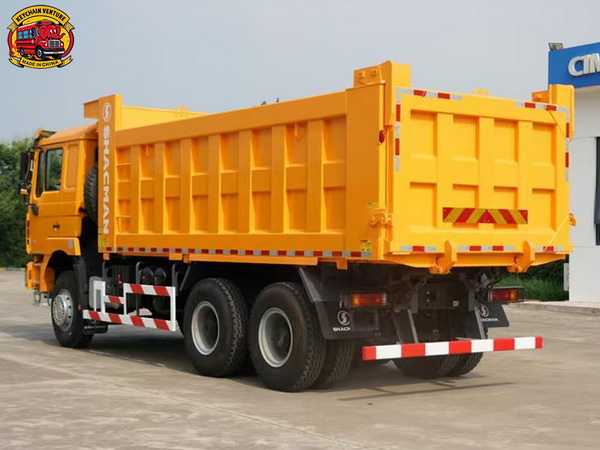
The most economical Dump Truck load is not always the cheapest upfront; matching the right dirt type to the application prevents failures and costly rework.
For backfilling foundations, retaining walls, and building pads, the priority is stability over fertility. In these cases:
- Use fill dirt with suitable compaction properties.
- Avoid highly organic soils that decompose and settle excessively.
- Consider structural fills or engineered blends where building codes or engineering specs demand controlled compaction.
Here, a Dump Truck load of inexpensive fill dirt can be a cost‑effective choice, provided it meets compaction standards.
For lawns, planting beds, and garden areas, plant health is the priority:
- Choose topsoil or blended topsoil/compost mixes to support root growth.
- Screened topsoil is ideal when a smooth finish is needed before seeding or sodding.
- It is common to place a layer of high‑quality topsoil over a thicker base of cheaper fill dirt to optimize both cost and performance.
In such cases, contractors may order several Dump Truck loads of fill for rough grading, followed by one or more loads of topsoil for the top layer.
Where drainage is important—such as sports fields, low‑lying yards, and around certain structures—using sandier or blended materials in the upper layers helps prevent waterlogging. These mixes are usually more expensive per Dump Truck load, but they reduce water problems and maintenance over time.
KeyChain Venture Co., Ltd. works with contractors who operate fleets of Dump Trucks or coordinate multiple carriers on major projects. Efficient logistics can dramatically influence overall cost per Dump Truck load of dirt.
On a large site, project managers balance:
- Number of Dump Trucks assigned to each source–site route.
- Cycle time: The total time from loading, driving to the site, unloading, and returning.
- Loader and dozer productivity: Ensuring that trucks are neither waiting too long to load nor causing bottlenecks at the dumping area.
By shortening cycle times and reducing empty returns, the effective cost per ton or cubic yard delivered drops, even if the price per Dump Truck load looks similar on paper.
Selecting the right Dump Truck configuration for the job is equally crucial:
- Urban sites with tight access may prefer short‑wheelbase Dump Trucks that maneuver easily.
- Rough terrain or off‑road hauling benefits from articulated Dump Trucks with better traction.
- Long‑distance highway hauls of large dirt volumes may use bigger on‑road Dump Trucks with higher capacities, balancing fuel efficiency and legal load limits.
As a commercial supplier, KeyChain Venture Co., Ltd. helps customers specify Dump Trucks with suitable engine power, axle configuration, and body design to match their main haul type—dirt, aggregate, sand, or mixed materials.
Beyond the obvious inputs of material and fuel, several hidden cost drivers influence the final price of a Dump Truck load of dirt:
- Regulatory compliance: Weight limits, emissions standards, driver certifications, and mandatory inspections add overhead to Dump Truck operations.
- Insurance and risk management: Hauling heavy loads through populated areas or complex sites carries liability risk that is factored into pricing.
- Fuel price volatility: Sudden increases in diesel prices often trigger fuel surcharges per Dump Truck load.
- Equipment depreciation and maintenance: Engines, hydraulics, and dump bodies working with abrasive dirt require regular maintenance, which affects long‑term cost levels.
Customers benefit by working with professional fleets that manage these factors systematically instead of cutting corners that risk breakdowns or safety incidents.
Receiving a Dump Truck load of dirt is routine on construction and landscaping sites, but it must be done safely to avoid incidents and damage.
Key best practices include:
- Clear dumping area: Ensure the dumping zone is stable, level enough, and free of overhead hazards such as power lines or tree branches.
- Ground bearing capacity: Soft ground can cause a loaded Dump Truck to sink or tilt during dumping, risking tip‑over.
- Controlled access: Keep workers, vehicles, and equipment away from the Dump Truck's tipping radius during unloading.
- Communication protocol: Use hand signals or radios so the Dump Truck driver and ground crew understand where and how to dump.
Well‑organized sites not only reduce the risk of accidents but also speed up unloading so each Dump Truck can return for the next load sooner, again improving cost efficiency.
As a supplier of high‑performance commercial vehicles, KeyChain Venture Co., Ltd. supports customers across domestic and international markets who need reliable Dump Truck solutions for hauling dirt and other materials. The company focuses on:
- Matching Dump Truck chassis and bodies to the customer's specific material—whether light topsoil or heavy, wet clay.
- Recommending engine power, transmission, and axle configurations for both city delivery routes and long‑distance hauling.
- Providing technical consulting for fleet sizing and route planning to lower cost per Dump Truck load of dirt over the life of the project.
By combining the right equipment with solid planning, KeyChain Venture Co., Ltd. helps ensure that every Dump Truck load of dirt is delivered efficiently, safely, and at a competitive total cost.
A Dump Truck load of dirt is more than just a pile of soil; it is a carefully costed combination of material, distance, logistics, and equipment choice. The total price depends on factors such as dirt type, volume, delivery distance, local market conditions, and additional services like spreading or grading. Accurate volume estimation, smart scheduling of Dump Truck loads, and the selection of the right truck type all help reduce the effective cost per cubic yard.
For small landscaping projects, homeowners typically pay a few hundred dollars for a single Dump Truck load of dirt, while large construction sites negotiate contract rates for multiple loads per day. By partnering with a professional commercial vehicle supplier like KeyChain Venture Co., Ltd., customers can specify Dump Trucks optimized for their main hauling tasks, improve fleet efficiency, and gain better control over the true cost of every Dump Truck load of dirt.
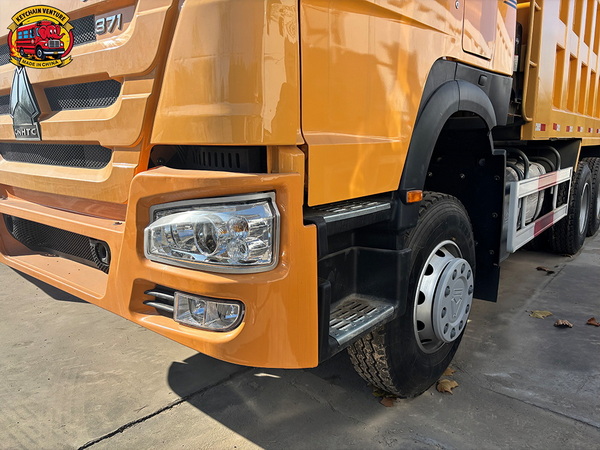
Most commercial Dump Trucks used for dirt hauling carry load volumes in the low double‑digit cubic yard range, though the exact capacity depends on truck size, axle configuration, and local weight limits. Smaller Dump Trucks may carry fewer cubic yards, whereas large highway or off‑road Dump Trucks carry substantially more for bulk operations.
Prices vary because each Dump Truck load includes both material cost and hauling cost, which are influenced by dirt type, distance, order size, local demand, and any extra services requested. High‑quality topsoil, long delivery distances, and complex sites naturally push the cost per Dump Truck load upward.
To lower your cost per Dump Truck load, you can order in bulk to access volume discounts, choose locally sourced dirt to cut hauling distance, and schedule deliveries so Dump Trucks do not waste time waiting at the job site. Matching the Dump Truck capacity to your average order size also improves efficiency and avoids paying premium rates for partial loads.
Use fill dirt when you need to raise ground levels, backfill foundations, or create a stable, compact base; it is cheaper and structurally focused. Choose topsoil or blended soils when you plan to plant grass, shrubs, or trees, because they contain organic matter and nutrients required for healthy growth, even though a Dump Truck load of topsoil typically costs more.
First, calculate the project volume by measuring length, width, and depth, converting the result to cubic yards, and then dividing by the capacity of the chosen Dump Truck. Adding a small margin for compaction and grading ensures you do not fall short; if the calculation is complex, many suppliers or contractors can help you convert your drawings or measurements into the required number of Dump Truck loads.
[1](https://onechoicelogistics.net/how-much-is-a-dump-truck-of-dirt-pricing-types-and-delivery-costs-explained/)
[2](https://hellogravel.com/how-much-does-a-dump-truck-load-of-fill-dirt-cost/)
[3](https://www.angi.com/articles/truck-load-fill-dirt.htm)
[4](https://aggregatemarkets.com/blog/dump-truck-delivery-in-usa-all-you-need-to-know)
[5](https://homeguide.com/costs/fill-dirt-sand-topsoil-cost)
[6](https://atlantadumptruckhauling.com/how-to-calculate-dump-truck-load-capacity/)
[7](https://www.wexfordins.com/post/how-do-i-price-my-dump-trucking-business)
[8](https://www.dirtconnections.com/how-much-is-a-truckload-of-dirt/)
[9](https://dumptruckdispatcher.com/resources/how-to-calculate-the-cost-of-a-dump-truck-company-start-up/)


