
Views: 222 Author: Amanda Publish Time: 2025-09-11 Origin: Site


Content Menu
● Types of Dump Trucks and Their Capacities
● How to Calculate Yards of Dirt in a Dump Truck
>> Step 1: Measure Truck Bed Dimensions
>> Step 2: Calculate Volume in Cubic Feet
>> Step 3: Convert Cubic Feet to Cubic Yards
>> Step 4: Consider Load Material Density and Compaction
● Factors Affecting Dirt Capacity in Dump Trucks
>> Material Type and Moisture Content
>> Legal Weight Limits and Safety Regulations
>> Truck Bed Shape and Side Extensions
>> Road and Terrain Conditions
● Practical Example of Dump Truck Dirt Capacity Calculation
● Tips for Maximizing Dump Truck Efficiency
● Environmental Considerations in Dump Truck Use
● Global Standards and Dump Truck Regulations
● FAQ
>> 1. How many yards of dirt can a standard dump truck hold?
>> 2. What is the difference between a standard and articulated dump truck?
>> 3. How do you convert cubic feet to cubic yards for dirt volume?
>> 4. Can a dump truck carry more dirt if it is loose vs compacted?
>> 5. Are there legal limits on how much dirt a dump truck can carry?
Dump trucks are an essential part of the construction, landscaping, and mining industries. Understanding how many yards of dirt a dump truck can carry is crucial for project planning, cost estimation, and operational efficiency. This comprehensive guide will explore the capacity of various types of dump trucks, factors influencing their load, and tips for calculating dirt volume. Whether you are a contractor, supplier, or simply curious, this article will provide you with valuable insights about dump trucks and dirt hauling.
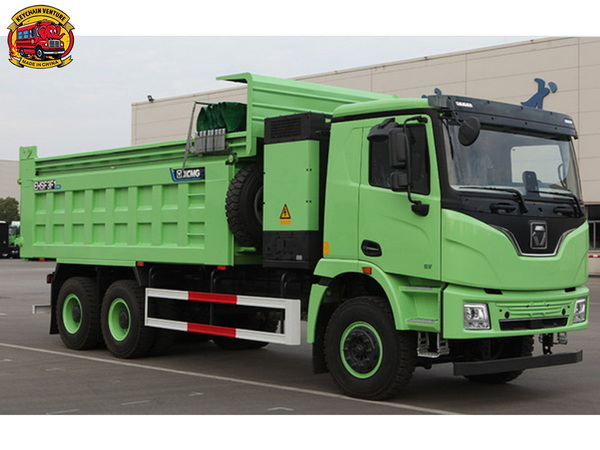
A dump truck is a heavy-duty vehicle designed to transport loose materials such as dirt, gravel, sand, and debris. It features a large open-box bed hinged at the back, which can be lifted to dump the load at the delivery site. Dump trucks are available in many sizes and configurations, each serving different purposes depending on project needs.
These vehicles are vital in moving earth efficiently from one spot to another, helping construction companies meet tight deadlines and reduce labor needs. From small landscaping jobs to massive mining operations, dump trucks carry the bulk materials that form the backbone of groundworks.
Dump trucks come in various forms, and their dirt capacity can vary significantly. Below are some common types used in the industry:
The standard or conventional dump truck typically has a capacity ranging from 10 to 16 cubic yards. These trucks are widely used for general construction and smaller-scale hauling jobs. Their size strikes a balance between payload and maneuverability, allowing them to operate on urban job sites as well as highways.
Articulated dump trucks have a pivot joint between the cab and dump bed, allowing for better maneuverability on rough terrain. They typically carry between 20 and 40 cubic yards of material, depending on model and specifications. Their off-road capabilities make them indispensable in mining, quarrying, and large earthmoving projects where uneven ground is common.
Western Star trucks are popular for heavy-duty hauling and often feature capacities around 10 to 14 cubic yards. Their robust design and powerful engine options allow them to tow heavy loads over long distances, making them suitable for highway construction and large infrastructure projects.
Super dump trucks are equipped with an additional axle, increasing their maximum load capacity by several tons. These trucks often carry up to 26 cubic yards of dirt, making them extremely efficient for large projects where volume and weight limits allow. The extra axle helps distribute weight more evenly, reducing road wear and improving vehicle control.
A transfer dump truck consists of a standard dump truck pulling a separate trailer with a dumping bed. This setup can haul between 24 and 30 cubic yards of dirt, significantly increasing payload without requiring heavy modifications to the truck itself. Transfer dump trucks are common in municipal projects and highways for efficient soil movement over longer distances.
Calculating yards of dirt in a dump truck involves understanding volume measurements and the truck bed's dimensions. The basic unit of measure is the cubic yard. Here's how to approach it:
Measure the length, width, and height of the dump truck bed in feet. It's important to use the internal dimensions where the dirt will actually be contained, excluding any sideboards or tailgate restrictions unless you plan to load over them (which may not be safe or legal).
Multiply length × width × height (all in feet) to get the volume in cubic feet. For example, a bed that is 14 feet long, 7 feet wide, and 3 feet high would have:
14×7×3=294cubicfeet
Since there are 27 cubic feet in one cubic yard, divide the total cubic feet by 27:
Cubicyards=Length(ft)×Width(ft)×Height(ft)/27
Using the example above:
294/27=10.89cubicyards
This means the dump truck bed can hold approximately 11 cubic yards of material.
Different types of soil and dirt vary in moisture, particle size, and compaction. Wet or clay-heavy soil weighs more than dry or sandy soil. Dirt that is loose occupies more space, while compacted dirt will weigh more but take up less volume. It is important to consider these variations when estimating how much dirt a truck can transport per load.

Several factors influence how much dirt a dump truck can carry effectively, making volume only part of the equation.
Soils rich in clay or moisture have higher density and weight. This means that weight regulations, rather than volume, often limit loading capacity. For example, wet dirt may reach legal road weight limits before the truck bed is physically full.
Different countries and regions enforce strict weight restrictions on vehicles to protect roads and ensure safety. Exceeding these limits can result in costly fines and damage to infrastructure. Operators must calculate weight based on material density and truck load capacity to stay compliant.
Many dump trucks feature sideboards or extensions to increase volume capacity. These additions allow trucks to carry more dirt without exceeding weight limits but may affect stability and require caution when transporting on uneven terrain or at high speeds.
Compacting dirt increases its density and reduces volume. When dirt is compacted before loading, the truck will hold a smaller volume but more weight. Conversely, loose dirt takes up more volume but may weigh less, affecting how loads are planned and priced.
Transporting dirt over rough or uneven terrain often requires specialized dump trucks like articulated or off-road models. These trucks may have larger capacities but need to balance volume with mobility and safety on job sites.
Imagine a project requires transporting dirt from an excavation site to a fill location. The contractor uses a standard dump truck with bed dimensions 14 ft long by 7 ft wide by 3.5 ft high.
1. Calculate the dump truck bed volume in cubic feet:
14×7×3.5=343 cubic feet
2. Convert cubic feet to cubic yards:
343/27=12.7cubicyards
3. Adjust for bucket load efficiency. Typically, trucks are loaded slightly below full volume for safety and to avoid spillage. Assume 95% of total volume:
12.7×0.95=12.07cubicyards
4. Consider the weight of dirt. If the dirt weighs approximately 2,200 pounds per cubic yard (typical for moist soil), total weight is:
12.07×2200=26,554pounds≈13.3tons
5. Verify legal limits. If the maximum allowable weight on the truck is 15 tons, this load is acceptable.
This step-by-step example illustrates how volume and weight considerations combine to determine safe and efficient dump truck loads.
Maximizing dump truck use can reduce project costs and improve timelines. Here are practical tips:
- Choose the right truck size: Selecting trucks that fit the material volume and site constraints prevents under- or overloading.
- Avoid overloading: Overloaded trucks increase accident risk, wear on equipment, and regulatory penalties.
- Use dirt compaction strategically: Compact dirt at the job site when possible to reduce the number of loads.
- Plan efficient routes: Minimize travel time and empty runs with GPS and dispatch coordination.
- Leverage technology: Use onboard load sensors and scales to accurately measure loads and avoid guesswork.
- Maintain vehicles well: Regular maintenance ensures trucks operate at peak efficiency and reduces breakdown risks.
Transporting dirt involves fuel consumption, emissions, and road impact. Selecting fuel-efficient or electric dump trucks is becoming an industry trend to reduce carbon footprints. Scheduling loads during non-peak hours can lower local traffic disruption and pollution. Additionally, using trucks with proper weight distribution minimizes road damage, supporting longer infrastructure life.
Different countries have varying regulations for dump truck weights, dimensions, and environmental compliance. Understanding these regulations is critical for companies operating internationally. Staying informed and proactive in adapting to changing laws ensures smooth operation across regions and avoids costly delays.
Understanding how many yards of dirt a dump truck can carry is vital for effective project management. Dump trucks vary in size, capacity, and configuration, and the material's density also plays an important role. By accurately measuring truck bed dimensions and considering weight limits, material type, and compaction, you can estimate dirt volume with confidence. Whether for a residential landscaping job or a massive construction project, knowing your dump truck's hauling capacity will save time, money, and effort. Efficient use of dump trucks enhances productivity and safety, ultimately contributing to successful project outcomes.
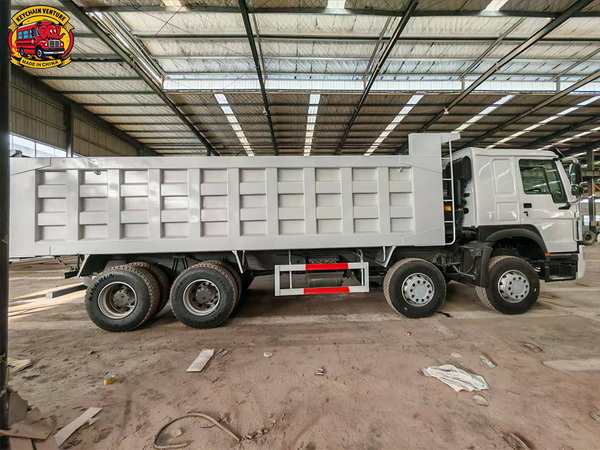
A standard dump truck typically holds between 10 and 16 cubic yards of dirt, depending on the truck's size and bed dimensions.
An articulated dump truck has a pivot joint that improves maneuverability on rough terrain and usually carries larger loads (20-40 cubic yards) than standard dump trucks.
Divide the total cubic feet of dirt by 27, as there are 27 cubic feet in one cubic yard:
cubicyards=cubicfeet/27
Yes, loose dirt occupies more volume than compacted dirt, so a dump truck may hold more volume but less weight with loose dirt compared to compacted.
Yes, weight limits are regulated by law to ensure safe transport. Overloading can lead to fines and vehicle damage, so it's essential to comply with local regulations.


