
Views: 222 Author: Amanda Publish Time: 2025-09-23 Origin: Site


Content Menu
● Understanding Your Farm Needs
● Tractor Horsepower Required for 40 Acres
>> General Horsepower Guidelines for 40 Acres
● Types of Tractors Suitable for 40 Acres
● Key Factors Influencing Tractor Size Choice
>> Types of Implements and Attachments
● Popular Tractor Models for a 40-Acre Farm
● Operational Tips for Tractor Use on 40 Acres
● Environmental and Efficiency Considerations
● FAQ
>> 1. What is the minimum tractor horsepower for 40 acres?
>> 2. Can I use a compact tractor for 40 acres?
>> 3. How does terrain affect tractor size choice?
>> 4. What type of tractor is best for mixed farming on 40 acres?
>> 5. How important is tractor maintenance for farm productivity?
Choosing the right tractor size for a 40-acre farm is crucial for optimizing productivity and efficiency. The ideal tractor size depends on multiple factors such as the type of work, soil conditions, terrain, and types of attachments needed. This article provides a comprehensive guide to selecting a tractor suitable for 40 acres, exploring horsepower requirements, common tractor types, important considerations, and useful tips for making the best choice.
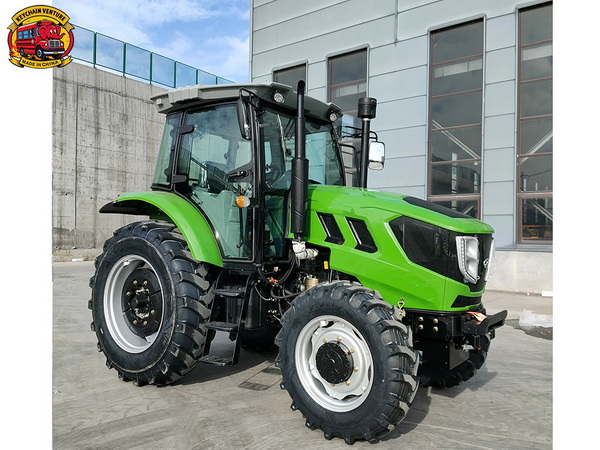
Before deciding on the perfect tractor size for 40 acres, you must have a clear picture of your farm's specific needs. The type of agricultural activities, soil and terrain conditions, and your operational goals heavily influence the choice of tractor.
- Type of farming: Whether your focus is crop production, livestock farming, or a mixed approach will dictate the type and capacity of tractor you need. For example, crop raising might require specialized implements, while livestock farming may prioritize hauling capacity.
- Soil type and terrain: Rocky, hilly, clayey, or sandy soils impact the tractor's traction and power requirements. Steep or uneven terrain necessitates more powerful machines with 4WD for stability.
- Attachments and implements: Mowers, plows, seeders, balers, tillers, and trailers each require specific horsepower and hydraulic capabilities. Your tractor must be compatible with these tools.
- Work intensity and duration: How many hours per day and days per season you plan to use your tractor also affects the necessary robustness and size.
Planning ahead with a detailed assessment of your farm's layout, soil condition, and work scope helps you avoid overspending or buying equipment that does not meet your needs.
Horsepower (HP) remains the most important factor in determining the right tractor size.
A tractor within the range of 50 to 75 horsepower is usually the sweet spot for most mixed-use 40-acre farms. This range provides enough power for tilling, planting, mowing, hauling, and light to medium plowing tasks, offering flexibility while maintaining cost-effectiveness.
Smaller tractors between 35 and 50 HP are suitable for light tasks like mowing or light cultivation but may lack the power for heavy implements or tougher soil conditions. Conversely, tractors above 75 HP are often too large and expensive unless your farming operations involve heavy-duty work or diverse attachments demanding extra power.
Understanding the types of tractors available helps you align your choice with your farming style and land characteristics.
Utility tractors, generally in the 45-75 HP range, are versatile and can handle a variety of farm activities on 40 acres. They excel in tilling, mowing, hauling produce, and installing irrigation. Their hydraulic systems accommodate medium-sized attachments, making them suitable for mixed agricultural applications.
If your farm involves planting row crops such as corn or soybeans, row crop tractors (50-100 HP) offer enhanced maneuverability and precise control. They typically feature adjustable wheel spacing and specialized tires to minimize crop damage. For 40 acres with a focus on row crops, a 50-75 HP model fits well.
Compact tractors are usually under 40 HP and are ideal for small-scale operations like gardening or landscaping. For 40 acres, these might be insufficient for heavy work but can supplement a larger tractor for detail tasks.
For farms with hilly or wet terrain, four-wheel-drive (4WD) tractors offer greater traction and stability. These are particularly useful if your farm has slopes or frequently damp soil, which standard 2WD tractors might struggle with.
The physical characteristics of your land have a direct impact on the size and features needed in your tractor. Flat, well-drained fields generally require less power, allowing medium-range tractors to do the job efficiently. Conversely, steep or uneven landscapes call for increased horsepower, 4WD capability, and possibly heavier models to ensure safety and performance.
The implements used with your tractor influence size selection as much as the land itself. Heavy plows, seeders, or harvesting equipment require tractors with sufficient hydraulic power and horsepower to operate smoothly. If your use involves light attachments such as push mowers or small trailers, a smaller utility tractor may suffice.
While bigger tractors might offer more capabilities, they come at higher purchase prices, fuel costs, and maintenance expenses. It's important to weigh your budget against your operational needs to select a tractor that delivers value without excess.
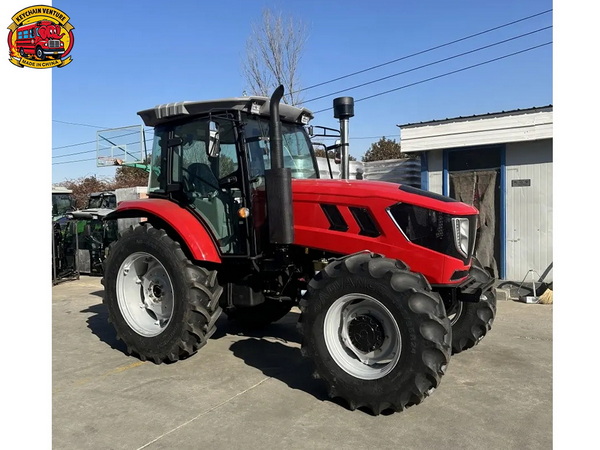
The following models are popular choices because of their reliability, power, and efficiency for farms around 40 acres:
- John Deere 5055E (55 HP Utility Tractor): Known for fuel efficiency and versatility, this tractor is great for general farm tasks.
- Kubota L4701 (47 HP): Compact yet powerful, suitable for operations requiring maneuverability and moderate horsepower.
- Massey Ferguson 4707 (75 HP): Rugged build with advanced hydraulics, ideal for heavier farm implements.
- New Holland T5.95 (95 HP): Designed for farms needing extra power, offering excellent ergonomic features and hydraulic capacity.
Maximizing the effectiveness of your tractor requires good operational practices and proper maintenance:
- Use the right attachment for each task to optimize fuel use and work quality.
- Check tire pressures regularly to ensure good traction and reduce soil compaction.
- Follow a scheduled preventative maintenance program including oil changes, filter checks, and hydraulic fluid replacement.
- Train operators on efficient driving techniques and safety protocols to reduce accidents and wear.
- Store the tractor in a sheltered location to extend its lifespan.
Modern farming increasingly emphasizes sustainability. Choosing a tractor that balances power and fuel efficiency helps reduce environmental impact. Many newer models feature advanced engines designed to meet emissions standards while maintaining high performance. Implementing practices such as reducing idle time and employing appropriate gear usage can significantly improve fuel economy.
A 40-acre farm requires thoughtful consideration when selecting a tractor. Most operations find tractors in the 50 to 75 horsepower range offer the ideal combination of power, versatility, and cost-efficiency. Utility and row crop tractors within this range handle a variety of attachments and farming tasks well. Your final choice should reflect your specific farm needs, including terrain, soil type, and budget constraints. Efficient operation and regular maintenance ensure that your tractor serves you effectively season after season, ultimately supporting your farm's productivity and profitability.
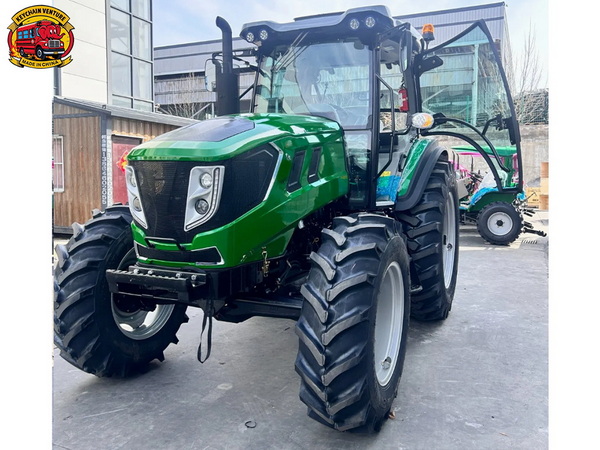
The minimum recommended horsepower is around 35 HP for very light tasks, but ideally, a 50 HP or higher tractor is necessary to manage most farming activities on 40 acres efficiently.
Compact tractors are usually under 40 HP and may be insufficient for the range of tasks on a 40-acre farm, especially if handling heavier implements is required.
Challenging terrain with hills or wet areas requires more powerful tractors equipped with 4WD to maintain traction and balance safety and efficiency.
Utility tractors between 50-75 HP provide excellent versatility to manage various agricultural activities from planting to hauling.
Routine maintenance is critical to ensure your tractor operates efficiently and reliably, reducing downtime and repair costs which are vital for managing a 40-acre farm successfully.


