
Views: 222 Author: Amanda Publish Time: 2025-09-14 Origin: Site


Content Menu
>> Characteristics of Tractor Fuel
>> Unique Features of Reefer Fuel
● Core Differences Between Reefer Fuel and Tractor Fuel
● Why Using the Wrong Fuel Is Risky
>> For Tractors Using Reefer Fuel
>> For Refrigeration Units Using Tractor Fuel
● Fuel Handling and Storage Best Practices
● Practical Guidance for Fleet Managers
● FAQ
>> 1. What is the main difference between tractor fuel and reefer fuel?
>> 2. Can reefer fuel be used in tractor engines?
>> 3. Why is reefer fuel dyed red?
>> 4. How does fuel cost compare between tractor and reefer fuel?
>> 5. What happens if I use tractor fuel in a refrigeration unit?
In the commercial vehicle and transportation industry, understanding the distinctions between reefer fuel and tractor fuel is critical for operational efficiency, safety, and regulatory compliance. As one of China's leading commercial vehicle suppliers, KeyChain Venture Co., Ltd. recognizes the importance of educating its diverse clientele on this subject, especially as the use of heavy-duty tractors and refrigerated trailers continues to grow domestically and internationally. This article explores the technical, practical, and regulatory aspects of reefer fuel versus tractor fuel, aiming to clarify their unique roles in trucking and logistics operations involving tractors.
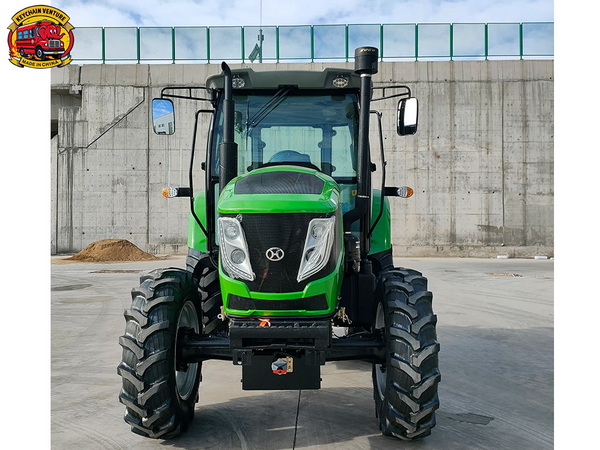
Tractor fuel is primarily diesel fuel formulated to power the engines of heavy-duty vehicles such as trucks and agricultural or industrial tractors. This type of fuel is essential for providing the energy needed for hauling, towing, and long-distance driving.
- High Energy Density: Tractor fuel delivers strong combustion energy, which directly translates to sufficient engine power and torque. This feature is essential for vehicles like tractors that haul heavy loads or operate in demanding environments.
- Safety and Stability: Tractor fuel has a relatively high flash point (about 125 to 180°F), providing stability during combustion and reducing the risk of accidental ignition. This lends safety benefits to heavy-duty operations.
- Regulatory Compliance: As an on-road fuel, tractor fuel is dyed clear and subject to federal and state road taxes. It must meet strict environmental standards, including low sulfur levels, to reduce harmful emissions.
The primary application of tractor fuel is in tractors and trucks operating on highways and public roads. Its formulation enables engines to generate substantial power output at varying speeds and driving conditions, which is vital for construction, agriculture, freight transport, and long-haul trucking.
Reefer fuel is a specialized type of diesel fuel dyed red for identification purposes. It is explicitly used to power the refrigeration units installed on refrigerated trailers, commonly known as reefers. These trailers transport perishable goods requiring temperature-controlled environments.
- High Flash Point: Reefer fuel's high flash point (~125°F) makes it safer for refrigeration unit operations by reducing flammability risks.
- Cold Weather Performance: This fuel contains additives that prevent gelling and freezing in low temperatures, which is critical when refrigeration units operate in cold climates.
- Lower Energy Density: Because its purpose is to power refrigeration equipment rather than vehicle engines, reefer fuel has a lower energy density than tractor fuel.
- Tax and Legal Status: Reefer fuel is designated for off-road usage only, thus it is taxed differently and carries a red dye indicator to signify untaxed, non-road usage.
Reefer fuel ensures that refrigerated trailers maintain a consistent, low temperature throughout transportation, preserving the quality and safety of sensitive cargo like fresh produce, pharmaceuticals, and frozen goods. This specialized fuel is not designed to power truck engines and should never be used for that purpose.

Although both products are diesel-based, several distinct differences set them apart.
- Tractor Fuel: Powers the engine of trucks and tractors, designed for high torque and reliability under load.
- Reefer Fuel: Exclusively powers trailer refrigeration compressors, optimized for steady cooling performance.
- Tractor Fuel: Contains low sulfur content, complies with emissions regulations, and has high energy output.
- Reefer Fuel: Has higher sulfur content, a higher freezing point antifreeze additive package, and produces less combustion energy.
- Tractor Fuel: Legal for on-highway use, fully taxed.
- Reefer Fuel: Restricted to off-road regulatory environments, dyed red to indicate tax-exempt status, with strict penalties for illicit on-road use.
- Tractor fuel is more costly due to taxation and formulation for engine performance.
- Reefer fuel is less expensive, given its off-road status and absence of road taxes, often saving operators money during idle refrigeration.
- Decreased Engine Performance: Reefer fuel is less refined and produces less energy. When used in tractor engines, it leads to insufficient power delivery and may cause engine stalling.
- Damage to Engine Components: High sulfur content causes faster corrosion, clogging fuel injectors and filters, reducing engine life.
- Legal Risks: Using red-dyed reefer fuel on public roads is illegal and may result in substantial fines and penalties.
- Environmental and Warranty Issues: Higher sulfur emissions increase air pollution and may void manufacturer engine warranties.
- Using tractor fuel to power refrigeration units is generally less efficient and unnecessarily expensive due to higher fuel cost. It may affect fuel system maintenance since tractor fuel has different additive packages unsuited for refrigeration compressors.
Both types of fuel require proper storage to maintain quality and safety:
- Store fuels in tanks or containers designed for diesel fuels with proper seals to avoid contamination.
- Regularly test for fuel contamination, gel formation, or water ingress that can damage engines or refrigeration units.
- Use cold flow improvers in tractor fuel in winter conditions to prevent gelling in cold climates.
- Ensure correct labeling of fuels on site to prevent accidental cross-usage.
- Maintain Separate Fueling Systems: Clearly distinguish between reefer and tractor fuel storage and dispensing equipment to avoid accidental mixing.
- Educate Drivers and Operators: Ensure training on fuel identification, proper usage, and legal implications of misuse.
- Monitor Fuel Consumption: Track fuel usage for engines and refrigeration units separately to optimize operating costs.
- Stay Compliant: Keep abreast of local and international fuel regulations, especially for cross-border freight operations involving reefer trailers.
Understanding the difference between reefer fuel and tractor fuel is crucial for transport operators using heavy-duty tractors and refrigerated trailers. Tractor fuel powers engines requiring high energy density and regulatory control for road use, while reefer fuel serves refrigerated units with specialized formulations designed for safe and efficient temperature preservation off-road.
Misusing these fuels can lead to severe engine damage, legal penalties, increased operational costs, and environmental harm. Therefore, operators are advised to strictly adhere to fuel guidelines to enhance vehicle longevity, safety, and compliance. KeyChain Venture Co., Ltd. remains dedicated to supporting clients with accurate information and premium commercial vehicle solutions for optimal fleet performance.
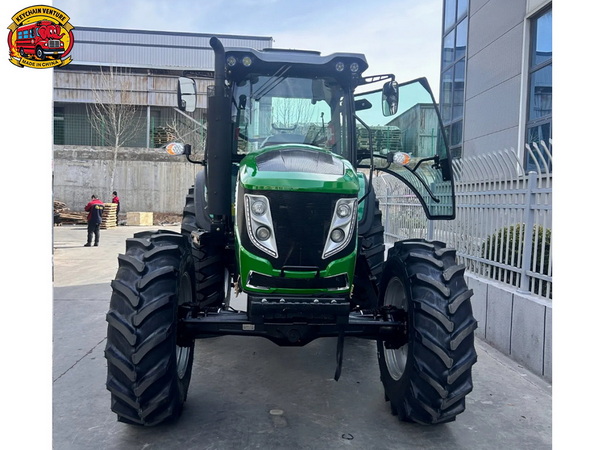
Tractor fuel powers the vehicle's engine with high energy density and complies with on-road regulations. Reefer fuel powers refrigerated trailer units, optimized for cooling performance and is restricted to off-road use.
No, reefer fuel is not suitable for tractor engines due to its low energy output and high sulfur content. Using it can cause engine damage and legal consequences.
Reefer fuel is dyed red to indicate it is untaxed fuel intended only for off-road use, primarily for refrigeration units, and not legal for public road use.
Reefer fuel is generally cheaper as it is exempt from road taxes, whereas tractor fuel is more expensive due to higher taxes and formulation for engine performance.
While possible, it is less efficient and more expensive. Tractor fuel lacks some additives that improve freezing resistance in refrigeration units, which could affect cooling performance in cold environments.
[1](https://rexenergycorporation.com/tractor-fuel-vs-reefer-fuel/)
[2](https://rhinofuel.com/tractor-vs-reefer-fuel/)
[3](https://heavyequipmentappraisal.com/tractor-fuel-vs-reefer-fuel/)
[4](https://haletrailer.com/blog/tractor-fuel-vs-reefer-fuel/)
[5](https://truckercfo.com/blog/tractor-fuel-vs-reefer-fuel/)
[6](https://www.reddit.com/r/Truckers/comments/1gxd3uc/what_am_i_looking_at_here/)
[7](https://smart.dhgate.com/tractor-fuel-vs-reefer-fuel-is-there-actually-a-difference-that-matters/)
[8](https://www.porterfreightfunding.com/blog/reefer-fuel-explained/)


