Views: 222 Author: Amanda Publish Time: 2025-08-20 Origin: Site


Content Menu
● Introduction to Used Tractor Valuation
● Key Factors That Affect the Value of a Used Tractor
>> Maintenance and Service History
>> Technological Features and Compliance
>> Market Demand and Economic Factors
● How to Determine the Market Value of Your Used Tractor
>> Step 1: Gather Comprehensive Information
>> Step 2: Research Market Prices
>> Step 3: Use Valuation Tools and Guides
>> Step 4: Consult Industry Experts
>> Step 5: Consider Timing and Selling Method
● Best Practices to Increase the Value of Your Used Tractor
>> Regular and Detailed Maintenance
>> Updating and Repairing Key Systems
>> Documentation and Transparency
● Common Mistakes to Avoid When Selling a Used Tractor
● Additional Insights: The Impact of Technology and Global Trends on Used Tractor Value
● FAQs
>> 1. How often should I assess the value of my used tractor?
>> 2. Does brand affect used tractor resale value significantly?
>> 3. What role does emission compliance play in resale value?
>> 4. Can refurbishing improve the price of a used tractor?
>> 5. What is the best platform to sell a used tractor internationally?
In the commercial vehicle market, understanding the value of your used tractor is key to making strategic decisions about selling, trading, or maintaining your fleet. As a leading commercial vehicle supplier, KeyChain Venture Co., Ltd. specializes in high-performance bus and heavy truck solutions, and we understand the complexities surrounding used tractor valuation in both domestic and international markets. This comprehensive guide will explore the factors influencing the worth of your used tractor, provide valuable tips and methods for accurate valuation, and address frequently asked questions to help you confidently assess your asset's market value.
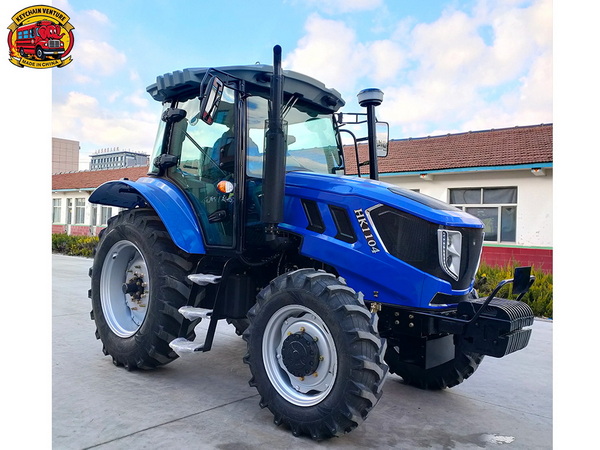
Used tractors are essential assets in commercial and industrial transportation. Whether for heavy hauling, logistics, or construction-related transport, these vehicles represent a significant investment. But what is your used tractor worth today? Knowing your equipment's value can lead to better business decisions whether you're upgrading your fleet, liquidating assets, or seeking financing.
The price of a used tractor can vary widely depending on several critical factors such as make, model, year, mileage, maintenance history, and overall condition. The market demand for specific models and technology, as well as regional and international economic conditions, also play a vital role.
The age of a used tractor is one of the most significant determinants of its worth. Newer models generally command higher prices due to improved technology, compliance with latest emission standards, and better fuel efficiency. However, certain older models might retain value due to their reputation for durability and ease of maintenance.
For instance, some fleets prefer older models known for simplicity and ruggedness, which can sometimes keep resale values steady or even increase for specific markets or uses.
For tractors, usage hours often serve as a "mileage" equivalent. Lower operational hours generally mean less wear and tear, increasing the resale value. High mileage or hours may signal extensive mechanical stress, leading to quicker depreciation.
It's important to note that operational conditions matter greatly; tractors used mostly for highway driving endure less strain compared to those operating frequently in harsh off-road or construction environments.
A well-documented maintenance record elevates buyer confidence. Regular servicing, prompt repairs, and major component replacements can significantly boost a used tractor's market value. Buyers often willingly pay a premium when they see evidence that the tractor was cared for properly, reducing future repair risks.
Maintenance records that include oil changes, transmission servicing, brake replacements, and tire rotations can serve as proof of the tractor's durability and operational readiness.
Certain brands and models, known for their reliability and performance, maintain higher resale values. Market preference in different regions can also affect pricing. For example, heavy truck brands such as Volvo, Freightliner, or KeyChain's own high-performance axle technologies, may command premium prices due to their proven longevity and advanced engineering.
Market trends also sometimes favor models with specific configurations, cab types, or engine sizes, which can affect the speed and price of sale.
Cosmetic condition, including the state of the chassis, paintwork, tires, and interior, influences perceived value. Significant dents, rust, or worn interiors reduce price expectations.
A clean, well-maintained exterior and interior create a positive first impression and suggest better mechanical care. Conversely, visible neglect may lead buyers to assume underlying mechanical issues.
Modern used tractors with advanced telematics, safety systems, fuel-saving technologies, and compliance with emission norms such as Euro VI or EPA 2024 standards fetch premium prices. Technologies like adaptive cruise control, advanced braking systems, and driver assistance features increase operational efficiency and can reduce insurance costs.
Compliance with increasingly stringent environmental regulations protects fleet operators from future regulatory penalties and underpins stronger resale values.
Economic conditions, fuel prices, transportation demand, and industry trends influence the market rate for used tractors greatly. For example, during periods of increased trade activity or infrastructure investment, demand for commercial trucks can spike, boosting prices.
Regional differences also matter; a heavy-duty tractor might command higher prices in regions with booming mining or construction industries, while areas with restrictive road-use policies might suppress demand.
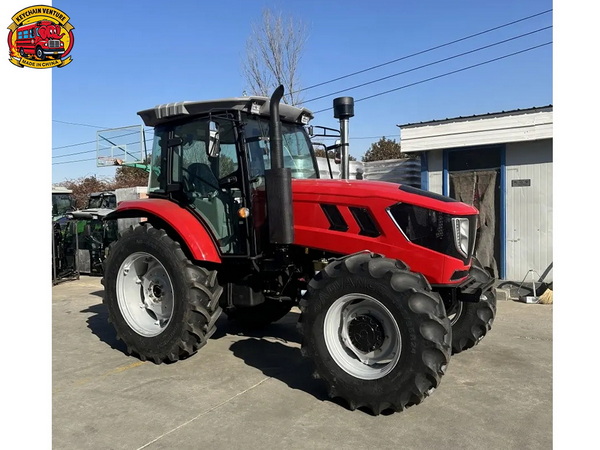
Begin by collecting all pertinent details about your used tractor—make, model, year, engine type, fuel efficiency, maintenance records, hours of operation, and condition. Full transparency and thorough documentation lay the groundwork for accurate valuation.
Use online marketplaces, auction results, dealership listings, and classified ads to understand current going rates for similar tractors. Pay attention to regional variations and emerging market trends.
For fleets in China or export markets, it is advantageous to analyze prices within targeted international regions, ensuring that currency exchange and import duties are factored into your calculations.
Specialized used tractor valuation guides and tools can provide estimates based on comprehensive data points. Some platforms allow input of specific details to get a more accurate value.
Valuation tools typically use depreciation models, factoring in elements like age, hours, and condition. Combining several sources provides a balanced perspective to avoid undervaluing or overpricing.
Engage with trusted commercial vehicle dealers, independent appraisers, or KeyChain Venture's sales and technical team for expert insight. Experienced professionals account for market subtleties, upcoming regulatory changes, and specific fleet needs that automated tools may overlook.
Such expert consultation can also help you position your tractor optimally for sale by highlighting its strengths strategically.
The timing of your sale and the chosen method—private sale, dealer trade-in, or auction—affects the achievable price. Auctions may provide faster sales but often at lower prices, while private sales might take longer but yield higher returns.
Selling at the end of peak business seasons or aligning sales with regional demand spikes can maximize sale proceeds. Dealer trade-ins offer convenience but may not match market retail pricing.
Keeping your tractor in optimal mechanical condition assures potential buyers of its reliability. Adhering to OEM-recommended servicing schedules and promptly addressing even minor issues can prevent costly downtime and enhance resale value.
Before listing your used tractor for sale, address mechanical or cosmetic issues. Investing in tire replacement, brake improvements, fluid changes, and small bodywork repairs can lead to a better price.
Ensuring all lights, gauges, and electronics are functional also impacts buyer perception positively.
Providing complete service and repair histories increases buyer confidence and can prevent price negotiations over hidden issues. Prepare chronological logs with receipts to exhibit a clear maintenance story.
Transparency about any past accidents or major overhauls avoids surprises during inspection and builds trust.
Installing modern telematics or fuel-efficient components can enhance value, particularly in markets prioritizing green and smart technologies. Upgrades like GPS fleet management systems or fuel-saving auxiliary power units are attractive selling points.
Some operators may also consider upgrading to enhanced safety packages to meet or exceed regulatory requirements.
- Overpricing : Unrealistic asking prices can prolong sale duration and reduce buyer interest. Conduct market research to set competitive pricing.
- Insufficient Documentation : Lack of records decreases trust and perceived value. Complete all paperwork before selling.
- Ignoring Market Demand : Selling during low-demand seasons or ignoring target customer needs may reduce returns. Timing matters.
- Neglecting Presentation : Poor cleanliness or visible damage can reduce offers significantly. Invest time and resources in making the tractor presentable.
- Not Comparing Offers : Accepting the first offer without comparison may result in lost value. Explore several sales channels to maximize returns.
The commercial tractor market is evolving rapidly with technological advancements and regulatory pressures shaping asset values.
Electric and Hybrid Tractors: Although still emerging, electric and hybrid models are beginning to influence resale values. Fleets considering future-proof investments are willing to pay premiums for used tractors that demonstrate compatibility with sustainable transport requirements.
Telematics and Connected Fleet Solutions: Tractors equipped with advanced telematics systems allow remote monitoring of performance and maintenance needs. This transparency significantly reduces operational risks, often translating to higher resale prices.
Global Trade and Export Dynamics: For exporters, fluctuations in currency exchange rates, import tariffs, and regional trade agreements can dramatically affect resale opportunities and prices. Staying informed on international market conditions is vital for maximizing returns.
Environmental and Safety Regulations: Increasing global emphasis on emissions reduction and road safety means tractors complying with or exceeding such standards will increasingly outpace legacy models in resale value.
Understanding what your used tractor is worth requires careful evaluation of multiple factors ranging from physical condition to market demand. By systematically collecting data, utilizing valuation tools, and applying best practices, you can maximize your tractor's resale value and make informed business decisions.
As a leading commercial vehicle supplier, KeyChain Venture Co., Ltd. urges fleet managers and operators to maintain up-to-date records, invest in regular maintenance, and monitor evolving market trends and regulations. This approach will ensure that your used tractor remains a valuable asset capable of delivering optimal returns amid fluctuating commercial transportation landscapes.
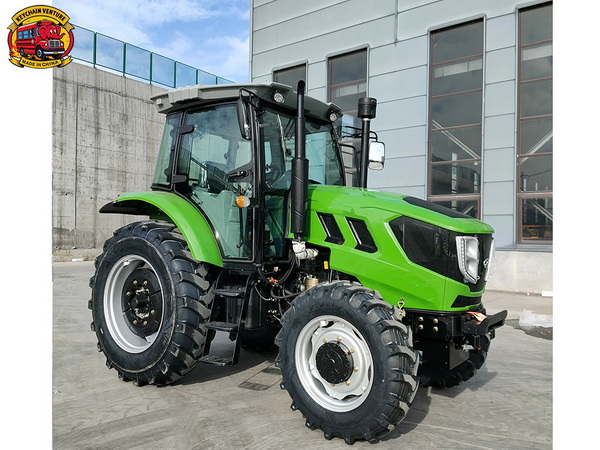
It's advisable to evaluate your tractor's value annually or before making decisions related to selling or upgrading to stay aligned with market fluctuations and condition changes.
Yes, popular and reputable brands often retain higher resale values due to perceived reliability, service network availability, and historical performance.
Tractors compliant with the latest emission standards (e.g., Euro VI, EPA 2024) attract higher prices because they meet regulatory requirements and offer environmental benefits that many fleet buyers seek.
Yes. Investing in mechanical repairs, updating worn parts, and improving cosmetic appeal can significantly enhance the tractor's marketability and resale price.
Using specialized industrial vehicle marketplaces, dealer networks, and international auctions collectively increases exposure to potential buyers worldwide and helps secure competitive pricing.