
Views: 222 Author: Amanda Publish Time: 2025-08-21 Origin: Site


Content Menu
● How Does Hydro Excavation Work?
● Primary Uses of Hydro Excavation
>> 1. Utility Locating and Exposure
>> 3. Environmental and Geotechnical Sampling
>> 4. Daylighting and Site Preparation
>> 5. Spill Cleanup and Remediation
>> 6. Infrastructure Repair and Maintenance
>> 7. Excavation in Congested Urban Areas
>> 8. Use in Landscaping and Tree Root Excavation
● Advantages of Hydro Excavation Over Traditional Excavation
● Integration of Used Excavators in Hydro Excavation
● Industries Benefiting from Hydro Excavation
● Safety Considerations When Using Hydro Excavation
● Environmental Impact of Hydro Excavation
● Maintenance and Operational Tips for Used Excavators in Hydro Excavation
● FAQ
>> 1. What types of used excavators are suitable for hydro excavation?
>> 2. Can hydro excavation be used in frozen or rocky ground?
>> 3. How does hydro excavation reduce costs compared to traditional digging?
>> 4. Is hydro excavation environmentally friendly?
>> 5. What safety precautions should be taken during hydro excavation?
Hydro excavation is an innovative, non-destructive digging technology widely used in commercial construction, utility installations, environmental work, and municipal projects. This method leverages high-pressure water to loosen soil and a powerful vacuum to remove the slurry, making it an effective and precise tool in areas where traditional excavation methods may pose risks or inefficiencies. For an industry-leading commercial vehicle supplier like KeyChain Venture Co., Ltd., understanding the uses of hydro excavation is crucial in delivering high-performance equipment solutions involving used excavators and related machinery.
In this comprehensive article, we will explore what hydro excavation is, its various applications, the benefits of using this technology, and how used excavators can integrate with hydro excavation systems to enhance performance and cost efficiency.
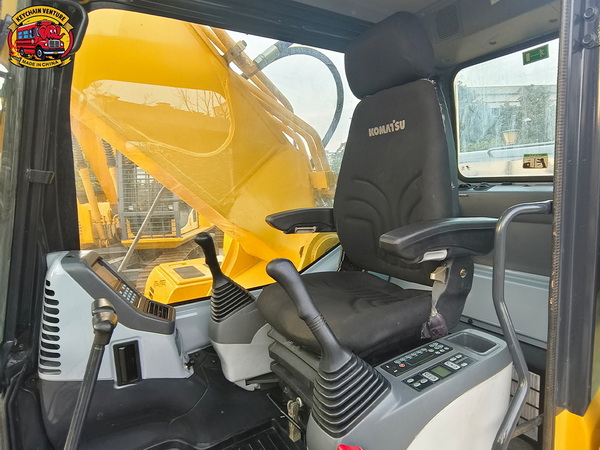
Hydro excavation is a process that uses pressurized water combined with vacuum suction to remove soil or other materials from the excavation site safely and efficiently. Unlike mechanical digging that uses blades and buckets, hydro excavation allows for precise soil removal, reducing the risk of damaging underground utilities such as gas lines, electrical cables, and pipes.
This form of excavation is often called "vacuum excavation" or "soft digging" and is favored for its accuracy and minimal environmental disruption. Used excavators equipped with hydro excavation attachments are a cost-effective option for companies looking to adopt this technology without investing in brand-new equipment.
Hydro excavation involves three main components working simultaneously:
- Pressurized Water System: A high-pressure water jet is directed onto the soil to break it down into a slurry without damaging surrounding structures.
- Vacuum System: A powerful vacuum hose then sucks the slurry mixture into a storage tank on the vehicle.
- Onboard Storage: The collected slurry is stored on the truck or trailer-mounted hydro excavation unit and disposed of according to local regulations.
The process begins with the operator inserting a wand or lance into the desired digging location. Water is sprayed at high pressure to loosen the soil, and the vacuum immediately removes the slurry. This cycle continues until the excavation is completed.
Hydro excavation's precision and clean operation make it ideal for urban environments and sites with dense underground utilities.
One of the most critical uses of hydro excavation is to safely expose underground utilities such as electrical cables, gas lines, water mains, and telecommunications infrastructure. The precision of hydro excavation allows workers to uncover utilities without the risk of cuts or ruptures—a common hazard with mechanical digging.
Hydro excavation is used to create trenches for pipelines, cables, and drainage systems without the disruption caused by mechanical trenchers. It is also employed for potholing—digging small, precise holes to verify the location of utilities.
Hydro excavation allows for soil and sediment sampling in contaminated or sensitive areas without cross-contamination. It also facilitates geotechnical investigations by extracting clean, intact samples.
Hydro excavation is employed in "daylighting", a process of exposing underground surfaces or objects for inspection, repair, or maintenance. Site preparation for landscaping, construction, or installation of equipment benefits from the gentle and precise soil removal this technology offers.
In environmental cleanup projects, hydro excavation can safely remove contaminated or hazardous soils without spreading pollutants to surrounding areas.
Hydro excavation is instrumental in repairing underground infrastructure. Whether patching a broken water line, repairing cable conduits, or inspecting pipe conditions, hydro excavation provides a non-invasive way to access and fix problems quickly.
In dense urban settings where overhead and underground utilities are tightly packed, hydro excavation allows contractors to work safely around existing infrastructure without causing damage or prolonging project timelines due to utility strikes.
Hydro excavation enables landscapers and arborists to carefully expose tree roots for pruning or transplanting, minimizing damage to roots and surrounding soil.
Hydro excavation offers several benefits compared to mechanical excavation, making it indispensable for modern construction and utility projects:
- Non-Destructive: Avoids damage to underground utilities and minimizes site impact.
- Precision: Enables work in tight, confined spaces with great accuracy.
- Safety: Reduces risk to workers and infrastructure by controlled soil removal.
- Efficiency: Faster excavation and less soil to haul away, reducing labor and disposal costs.
- Environmental Protection: Less soil disruption and erosion, protects landscaping and reduces dust.
- Versatility: Suitable for various soil types and conditions, including frozen ground.
- Lower Repair Costs: Minimizes costly utility line repairs resulting from accidental strikes.
- Reduced Project Delays: By mitigating utility strikes and site damage, projects proceed more quickly.
- Adaptability: Compatible with many types of work trucks, including those leveraging used excavators retrofitted for hydro excavation.
This combination of benefits results in significant long-term savings and improved safety records on job sites.
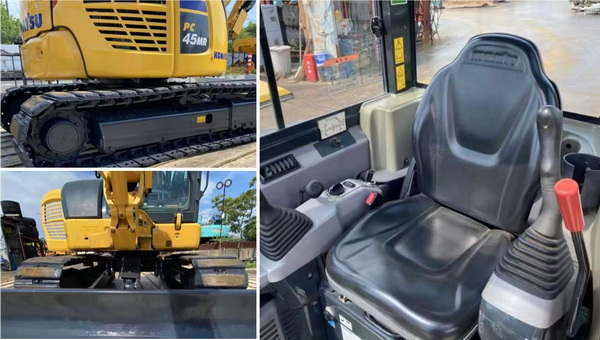
Used excavators have a significant role in the evolution of hydro excavation. Purchasing used excavators equipped or modified for hydro excavation provides these key advantages:
- Cost Reduction: Used excavators are considerably cheaper than new ones, reducing initial investment.
- Adaptability: Many models allow attachments for hydro excavation kits, ensuring flexibility for different jobs.
- Reliability: Well-maintained used excavators can reliably perform hydro excavation work.
- Sustainability: Reusing equipment extends machinery lifecycle, cutting down on waste and emissions.
- Ease of Modification: Various makes and models of used excavators can be customized with hydro excavation systems without extensive engineering changes.
- Fleet Expansion: Commercial operators can expand their hydro excavation capabilities more affordably by utilizing used excavators.
Leading suppliers like KeyChain Venture Co., Ltd. assist customers in sourcing and configuring used excavators optimized for hydro excavation applications across different industrial sectors.
Hydro excavation's precision and safety make it vital in several industrial sectors, including:
- Construction: For site preparation, foundation digging, and utility installation.
- Municipal Utilities: Access and repair of underground water, gas, and electrical infrastructure.
- Oil and Gas: Safe exposure of pipelines and equipment maintenance without disrupting operations.
- Telecommunications: Trenching for fiber optics and cable placement with minimal disturbance.
- Environmental Services: Contaminated soil removal, spill remediation, and environmental sampling.
- Civil Engineering: Bridge and road construction requiring precise excavation around critical infrastructure.
- Landscaping and Tree Care: Safe root excavations and landscaping installs.
- Emergency Services: Rapid access to utilities during leak or line break emergencies without causing further damage.
Each sector can leverage used excavators configured for hydro excavation to optimize costs and maximize operational efficiency. This versatility has made hydro excavation a standard tool in modern infrastructure projects worldwide.
While hydro excavation reduces many traditional risks, maintaining safety controls is paramount:
- Operator Training: Skilled operators need training in hydro excavation and used excavator operation.
- Utility Marking: Properly locate and mark underground utilities before excavation.
- Personal Protective Equipment (PPE): Operators should use gloves, safety glasses, hard hats, and hearing protection.
- Pressure Control: Monitor water pressure to avoid unexpected damage.
- Site Inspection: Ongoing inspection during excavation to respond to unforeseen obstacles or safety hazards.
- Emergency Procedures: Establish protocols in case of accidental strikes or unexpected utility exposure.
- Load Management: For used excavators outfitted with hydro excavation systems, ensure load limits and hydraulic capacities are not exceeded.
- Regulatory Compliance: Adhere to local safety and environmental regulations governing excavation and slurry disposal.
- Communication: Maintain clear communication between the excavation operator, site supervisors, and utility companies to ensure real-time updates and coordination.
These safety practices not only protect workers but also preserve infrastructure integrity, reduce costly accidents, and foster trust with utility owners and local communities.
Hydro excavation offers an eco-friendly excavation approach due to its:
- Reduced Soil Displacement: Minimizes soil removal, preventing erosion and runoff.
- Less Habitat Disturbance: Protects nearby vegetation and groundwater.
- Controlled Waste Handling: Slurry is collected and disposed of responsibly.
- Lower Carbon Footprint: Efficient process requires less machinery operating time.
- Minimized Noise and Dust: Safer and quieter than mechanical excavation.
- Water Recycling Potential: Some hydro excavation units incorporate water recycling systems to reduce water consumption on site.
- Reduced Vehicle Traffic: Fewer trucks are needed for soil haul-away, decreasing emissions.
- Support for Sustainable Construction Practices: Hydro excavation aligns well with green building standards focused on minimizing site disturbance.
Using used excavators for hydro excavation further enhances the environmental benefits by extending machinery lifespan and reducing industrial waste, contributing positively to carbon footprint reduction strategies critical in global manufacturing and construction industries.
To ensure optimal performance when using used excavators for hydro excavation:
- Regular Inspection: Check hydraulic systems, vacuum pumps, and water jets for wear.
- Tank Cleaning: Clean slurry tanks frequently to prevent corrosion.
- Preventive Maintenance: Follow manufacturer guidelines for oil and filter changes.
- Calibration: Ensure water pressure and vacuum settings are correctly adjusted.
- Operator Skill Development: Provide continuous training to keep operators adept.
- Spare Parts Availability: Stock consumables and parts for quick servicing.
- Hydraulic Hose Care: Regularly inspect hoses and connections to prevent leaks or pressure loss.
- Vacuum Pump Maintenance: Maintain the vacuum system to ensure maximum suction efficiency.
- Electrical System Checks: Verify all electrical controls, especially on retrofitted used excavators, function properly.
- Environmental Compliance Checks: Confirm that slurry disposal complies with all environmental laws.
Good maintenance extends the life of used excavators and ensures safe, efficient hydro excavation operations.
Hydro excavation is a transformative digging method that safely and precisely removes soil with water and vacuum technology. It is especially advantageous in utility work, environmental projects, and sensitive construction zones where traditional excavation risks are high.
For companies operating used excavators in hydro excavation applications, the combination delivers cost-effective, environmentally friendly, and efficient solutions. Leading suppliers like KeyChain Venture Co., Ltd. support clients with proven used excavators tailored for hydro excavation, ensuring commercial vehicle customers worldwide have the best in performance and reliability.
As hydro excavation continues to gain momentum across industries, it is set to become a standard practice for safe, sustainable, and precise excavation projects globally.

Used excavators with hydraulic systems compatible with water jet and vacuum attachments are ideal. Medium-sized excavators (10-30 tons) provide a good balance of power and maneuverability for hydro excavation.
Yes, hydro excavation is effective in frozen ground by using heated water jets and can manage rocky soil by carefully controlling water pressure, though extremely hard rock may require alternative methods.
It minimizes utility damage, reduces soil disposal volume, and speeds up excavation, thereby lowering labor, repair, and downtime expenses significantly.
Yes, hydro excavation limits soil disruption, prevents erosion, and collects slurry waste for safe disposal, making it an eco-friendly option compared to traditional mechanical digging.
Operators must be trained properly, underground utilities precisely located, appropriate PPE worn, and equipment regularly maintained to ensure safe hydro excavation operations.


