
Views: 222 Author: Amanda Publish Time: 2025-09-11 Origin: Site


Content Menu
● Understanding the Basics of Dump Trucks
● What Makes a Tandem Dump Truck Unique?
● Tandem Dump Truck Advantages
>> Load Capacity and Efficiency
>> Versatility
● Common Uses for Tandem Dump Trucks
● Operating a Tandem Dump Truck
● Maintenance of Tandem Dump Trucks
● Technical Specifications and Performance
● Popular Tandem Dump Truck Models
● Frequently Asked Questions (FAQ)
>> 1. What is the main difference between a tandem dump truck and a standard dump truck?
>> 2. How much material can a tandem dump truck typically carry?
>> 3. Are tandem dump trucks suitable for off-road use?
>> 4. What kind of maintenance does a tandem dump truck require?
>> 5. Can tandem dump trucks be used for purposes other than construction?
A tandem dump truck is a specialized heavy-duty vehicle widely used in construction, mining, and other industries for transporting loose materials such as gravel, sand, dirt, and debris. Distinguished by having two rear axles—hence the term "tandem"—this truck ensures superior weight distribution, enhanced traction, and the capacity to carry heavier loads than single-axle dump trucks. This makes tandem dump trucks indispensable for large-scale hauling tasks where efficiency and reliability are critical.
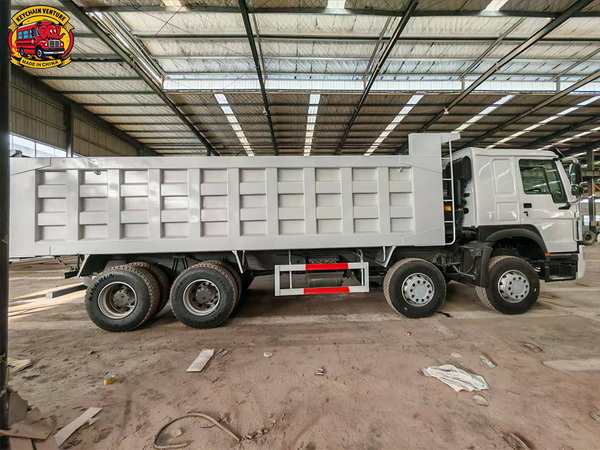
Dump trucks are essential vehicles in the commercial truck industry, designed primarily to transport and deliver materials that need to be dumped at construction or project sites. They feature a hydraulically operated open-box bed hinged at the rear. The bed can be lifted to empty the contents behind the truck efficiently.
There are several types of dump trucks including standard dump trucks, side dump trucks, off-highway dump trucks, and most notably for this article: the tandem dump truck.
- Standard dump trucks typically have a single rear axle.
- Tandem dump trucks come with two rear axles, providing higher load capacity.
- Side dump trucks unload by tilting the bed sideways.
- Off-highway dump trucks are larger trucks designed mainly for mining and quarry work.
The key distinguishing feature of a tandem dump truck is its two closely spaced rear axles. These dual axles share the weight of the material in the truck's bed, allowing the truck to carry bigger and heavier loads safely on roads while maintaining excellent stability.
Key Features:
- Dual Rear Axles: Two rear axles with four wheels on each side (dual tires) provide superior weight distribution.
- Drive and Steering Axles: Most tandem dump trucks have a front single steering axle and two powered rear axles (6x4 configurations), enhancing traction on rough or uneven surfaces.
- Hydraulically Operated Dump Bed: Allows quick and efficient unloading of materials.
- Heavy-Duty Frame: Built to sustain the extra weight and stresses of larger loads.
Size and Capacity:
- Typical width: about 8.5 feet
- Length: generally between 20 to 26 feet
- Height: around 10 to 12 feet
- Load capacity: 10 to 16 cubic yards, depending on the model and material density
- Empty weight: 20,000 to 25,000 pounds
Tandem dump trucks are popular because they combine size, capacity, and maneuverability effectively.
With two rear axles sharing the weight, tandems can haul heavier loads than single-axle dump trucks. This reduction in the number of trips required saves fuel and time, optimizing project timelines.
The extra axle improves stability, especially on rough terrain. Dual rear wheels provide better grip, allowing operation in construction sites and off-road conditions where single-axle trucks may struggle.
Tandem dump trucks can transport a variety of materials: dirt, sand, gravel, demolition debris, and other bulk materials used in construction, roadwork, and landscaping.
Though they may have higher upfront costs, their larger capacity and efficiency lower overall operational and labor costs in the long run.
Tandem dump trucks serve various industries and are essential for several heavy-duty applications. Some common uses include:
- Construction Sites: Transporting earth, soil, gravel, sand, and debris for building foundations and infrastructure projects.
- Road Building and Repair: Hauling asphalt, road base, and gravel to and from paving operations.
- Mining and Quarry: Moving excavated material and rocks.
- Landscaping: Delivering soil, mulch, stones, and other materials for landscaping projects.
- Demolition Cleanup: Clearing away debris and rubble from demolition sites.

Driving a tandem dump truck requires skill, as the vehicle is larger and heavier than standard trucks. Operators must be trained in handling dual rear axles, understanding load balance, and operating the hydraulic dumping mechanism safely.
Safety Considerations:
- Proper weight distribution to avoid overloading axles
- Awareness of clearance heights for the raised dump bed
- Safe dumping practices on stable, level ground
- Using appropriate personal protective equipment (PPE) during loading/unloading
Routine maintenance is crucial for keeping tandem dump trucks performing optimally. Key maintenance aspects include:
- Regular inspection of the hydraulic system
- Checking tire condition and pressure on all axles
- Ensuring proper lubrication of the suspension and drivetrain components
- Monitoring brake performance on all wheels
- Structural integrity inspections of the dump bed and frame
Modern tandem dump trucks come equipped with powerful diesel or gasoline engines ranging typically from 300 to 600 horsepower, delivering sufficient torque for heavy hauling. Transmission options vary between automatic and manual, with some models featuring advanced multi-speed gearboxes for enhanced fuel efficiency and control on varied terrains.
Payload capacity generally spans from 10 to 30 tons based on truck configurations and materials transported. Rear axle weights often reach 40,000 pounds or more, supported by heavy-duty suspensions such as air-ride or multi-leaf springs designed for off-road durability.
Tire sizes commonly use large 22.5-inch or bigger wheels that contribute to effective weight management and traction. The trucks feature hydraulic lift systems capable of elevating the dump bed swiftly, with some models incorporating adjustable tailgates for precise material placement during unloading.
Advanced safety features include dual locking differentials on rear axles, anti-lock braking systems, and engineered frame designs optimized to reduce stress concentrations, extending the lifespan of these vehicles in tough working environments.
The truck cabs often come with ergonomic seating, integrated control panels for hydraulic lifts, and enhanced soundproofing, contributing to operator comfort and efficiency during long hours on site.
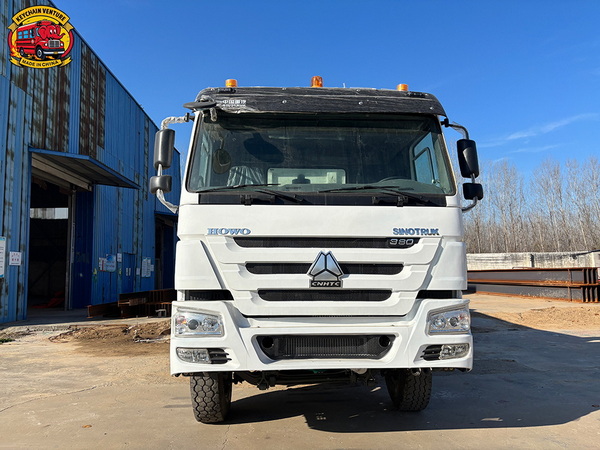
Leading manufacturers, including major Chinese brands like Dongfeng, Sinotruk, and Foton, produce tandem dump trucks for both domestic and international markets. These trucks meet rigorous performance standards and are designed for compatibility with various body configurations, catering to diverse industry requirements.
In summary, a tandem dump truck is a vital vehicle in the commercial transport and construction sectors, known for its dual rear axle design that offers increased load capacity, stability, and efficiency. It outperforms single-axle dump trucks in handling larger and heavier loads, making it ideal for demanding environments like construction, mining, and roadwork. With proper operation and maintenance, tandem dump trucks deliver excellent performance and long-term reliability, underpinning many heavy hauling tasks critical to infrastructure development and industrial operations.
A tandem dump truck has two rear axles, while a standard dump truck typically has a single rear axle, allowing tandems to carry heavier loads with better weight distribution and stability.
Most tandem dump trucks can carry between 10 to 16 cubic yards of material, depending on the truck's design and the density of the material.
Yes, tandem dump trucks are commonly used on construction sites and rough terrain due to their enhanced traction and stability from dual rear axles.
Regular inspection and maintenance of hydraulic systems, brakes, tires, lubrication, and structural components are essential to keep tandem dump trucks in good working condition.
Yes, besides construction, they are used in mining, landscaping, demolition cleanup, and road maintenance for hauling various bulk materials.
[1](https://cn-sinotruk.com/tandem-dump-truck/)
[2](https://www.scribd.com/document/538368141/Tandem-Dump-Truck-Specifications-3)
[3](https://hyundai-ce.dk/wp-content/uploads/2023/11/HA30A-Brochure-EN.pdf)
[4](https://www.emarketplace.state.pa.us/FileDownload.aspx?file=6100059308%2FSolicitation_7.pdf&OriginalFileName=Spec-052662-S+Tandem+Alum+8-17-23.pdf)
[5](https://www.hitachicm.com/content/dam/hitachicm/sg/en/docs/brochures-pdf/rigid-dump-trucks/KR-EN029P.pdf)
[6](http://www.franklincoks.org/agendacenter/viewfile/item/1688?fileid=2243)
[7](https://www.customtruck.com/rental/vocational-trucks/dump-trucks/tandem-axle-16-cu-yd-rear-dump-truck/751-0200)
[8](https://www.ascensionparish.net/wp-content/uploads/2024/06/2025-Tandem-Dump-Truck-Specifications.-1.pdf)
[9](https://www.boomandbucket.com/blog/tandem-dump-truck)
[10](http://www.ci.missoula.mt.us/DocumentCenter/View/51579/FY20-Tandem-Axle-Dump-Truck-Spec?bidId=)


