
Views: 222 Author: Amanda Publish Time: 2025-10-11 Origin: Site


Content Menu
● Components of a Water Truck and PTO System
● How Does a PTO on a Water Truck Work?
● Applications of PTO Water Trucks
● Types of PTO Mounting on Trucks
● Maintenance Tips for PTO Water Trucks
● Advanced PTO Water Truck Technologies
● Environmental Impact and Water Conservation
● Frequently Asked Questions (FAQ)
>> 1. What is the primary function of a PTO on a water truck?
>> 2. How does one engage the PTO on a water truck?
>> 3. What industries commonly use PTO water trucks?
>> 4. What types of PTO mounting are common on water trucks?
>> 5. What maintenance is required for PTO systems on water trucks?
A water truck is an essential commercial vehicle designed to transport and disperse water efficiently across construction sites, agricultural fields, firefighting fronts, and many other applications. The key component that enables these trucks to pump and spray water is the PTO, or Power Take-Off. Understanding what a PTO on a water truck is, how it works, and why it is so crucial helps operators, buyers, and enthusiasts appreciate the technology behind these indispensable machines.
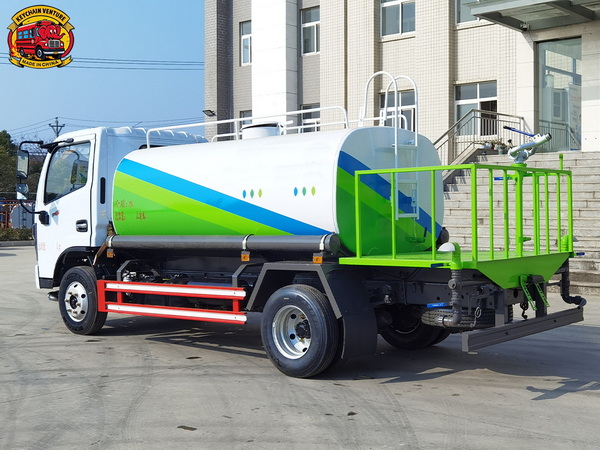
A Power Take-Off (PTO) is a mechanical device that transfers the engine's power to auxiliary equipment on a vehicle, allowing the truck's main engine to drive additional machinery like pumps, hydraulic lifts, winches, or mixing drums. On a water truck, the PTO uses the engine's rotary power to drive the water pump, enabling the truck to disperse water without needing an independent power source for the pump.
The ability to leverage the truck engine to power additional mechanical components means that water trucks can be more efficient and reliable, relying on a single power source rather than multiple engines. This integration is fundamental in optimizing equipment performance and reducing overall operating costs.
Water trucks are typically made up of three main components:
- The Rig: This is the driver's cab, often equipped with controls for operating the water dispersion system and monitoring the truck.
- The Tank: Usually cylindrical, this holds the water supply, with capacities ranging from 500 to 5,000 gallons depending on the model and application.
- The Pump: Powered by the PTO, this enables regulated water flow for different applications via spray nozzles positioned at the rear, front, or sides of the truck.
Together, these components work in synergy to ensure the water truck performs its spraying or water delivery tasks effectively.
The PTO is connected physically to the truck's transmission or engine flywheel, depending on the truck's design. When engaged, it draws mechanical power from the truck's engine and transfers it via a driveshaft to the water pump. This pump converts the rotary mechanical energy into hydraulic power, which pushes water out through pressurized spray nozzles or water cannons.
Operators typically engage the PTO through a control switch inside the cab, which activates the power transfer mechanism. Once activated, the PTO-driven water pump runs, enabling precise control over water flow and pressure. This setup allows the truck to operate its water dispersal system while either stationary or in motion, allowing for versatile use on various job sites.
Water trucks equipped with PTO systems serve diverse roles across many industries, highlighting their versatility and necessity:
- Construction and Mining: Used primarily to suppress dust on roads and construction sites, water trucks help improve air quality and reduce health hazards. They also aid in soil compaction by applying precise amounts of water, enhancing the stability of groundwork for structures.
- Agriculture: During periods of drought or water shortage, these trucks provide irrigation support for crops and hydration for livestock. Their mobility allows them to reach parts of the farm where permanent irrigation systems are unavailable.
- Firefighting: In rural or wildland firefighting scenarios without access to hydrants, water trucks become critical by delivering water directly to fire zones. They can wet down vegetation to create firebreaks and suppress spot fires.
- Residential and Emergency Water Supply: Besides industrial use, PTO water trucks are occasionally called upon to deliver bulk water to residential areas, support landscaping projects, or respond during natural disasters to provide potable water where infrastructure is damaged.
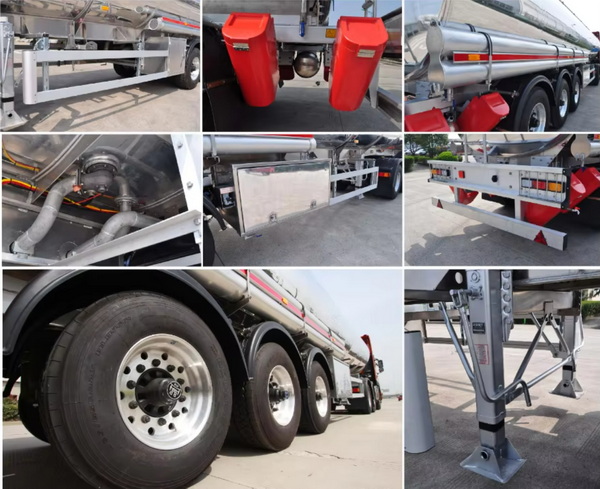
PTO water pumps are prized for their remarkable advantages:
- High Output and Efficiency: By using the truck's engine directly, PTO pumps can move large amounts of water quickly and with substantial pressure, which is crucial for both dust control and firefighting.
- Reduced Maintenance and Cost: Unlike standalone pumps that require separate engines or motors, PTO pumps reduce complexity and maintenance by relying on the truck's existing powertrain.
- Ease of Operation: Operators activate the PTO with simple cab controls, streamlining the process of water dispersal and reducing downtime.
- Durability: Designed to withstand harsh job site environments, PTO pumps are constructed with rugged materials that resist corrosion and mechanical wear, ensuring long service life.
PTOs come in several common mounting configurations to fit different truck designs and applications:
- Side-Mounted PTO: Attached to the side of the transmission, this is common in dump trucks, mixers, and certain commercial vehicles. It allows power transfer while maintaining the transmission functionality.
- Rear-Mounted PTO: Connected at the engine flywheel end, ideal for applications requiring high torque such as fire trucks or tankers.
- Split-Shaft PTO: Positioned between the transmission output and the drive shaft, it allows power delivery to auxiliary equipment while the truck is in motion or stationary, providing operational flexibility.
Choosing the correct PTO mounting depends on compatibility with the truck build, desired output torque, and intended application.
Proper operation is essential for safety and efficiency:
1. Pre-Operation Checks: Operators verify fuel, oil, and water levels to ensure the truck and pump system are ready.
2. Starting the Vehicle: The driver starts the truck, warming up the engine to optimal operating temperature.
3. Engaging the PTO: The PTO system is activated via a cab-mounted control switch. The engagement mechanism connects the engine power to the pump.
4. Controlling Water Flow: Using controls such as valves or joysticks, the operator regulates the water pressure and spray pattern to suit the task.
5. Monitoring: Continuous observation of water levels, pressure gauges, and engine performance ensures safe operation.
6. Disengaging the PTO: After completing the water distribution, the PTO is disengaged before shutting off the engine to prevent equipment damage.
Effective operator training is critical to maximize the PTO system's lifespan and performance.
Routine maintenance safeguards against downtime and extends the lifespan of the PTO system and pump:
- Inspect all PTO components regularly for signs of wear, leaks, or damage.
- Keep lubrication points properly greased following manufacturer recommendations to reduce friction and prevent overheating.
- Examine hydraulic lines and fittings for cracks or leaks.
- Run the PTO system periodically during idle times to maintain lubrication and operational readiness.
- Replace filters and fluids at scheduled intervals to ensure optimal pump performance.
- Follow safety guidelines to prevent mechanical failure due to overuse or improper handling.
Preventive maintenance is a cost-effective strategy that ensures water trucks remain dependable on the job site.
Recent innovations in PTO and water truck technology have further enhanced functionality:
- Electronic Control Systems: Modern PTO units often include electronic engagement and monitoring for better precision and feedback.
- Variable Speed PTOs: These allow operators to adjust pump speeds for more control over water flow rates, improving versatility.
- Remote Control Operation: Some water trucks integrate remote control systems enabling operators to control the spray operation from outside the cab or at a safe distance.
- Telematics and Diagnostics: Advanced sensors provide real-time data on PTO and pump health, facilitating predictive maintenance and minimizing unexpected failures.
These advancements contribute to safer, smarter, and more efficient water truck operation.
Using PTO water trucks responsibly also supports environmental goals:
- Precision water application reduces wastage, conserving valuable resources.
- Dust suppression improves air quality, benefiting local communities and ecosystems.
- Water trucks can deliver recycled or reclaimed water for non-potable uses, promoting sustainability in construction and agriculture.
- By enabling efficient fire control, water trucks mitigate large-scale environmental damage caused by wildfires.
Water trucks equipped with PTO contribute to responsible water management practices in industries reliant on water.
A PTO on a water truck is a vital component that harnesses the engine's mechanical power to operate the water pump efficiently. This integrated system allows water trucks to perform crucial roles in dust control, irrigation, firefighting, and emergency water supply without requiring additional power sources. The PTO's ease of use, durability, maintenance advantages, and adaptability through various mounting options make it indispensable in maximizing the functionality and reliability of water trucks across many industries. With technological advances further enhancing PTO capabilities, water trucks continue to be indispensable assets for efficient and environmental water management in commercial and emergency applications.
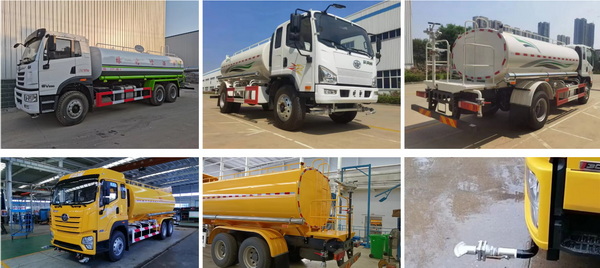
The PTO transfers engine power to drive the water pump, enabling water dispersal without the need for a separate engine or power unit, streamlining operations and reducing equipment needs.
Operators typically activate the PTO through a simple control switch inside the cab, which mechanically connects the engine's power to the water pump.
PTO water trucks are used widely in construction, mining, agriculture, firefighting, and emergency water supply for dust control, irrigation, firefighting, and bulk water delivery.
Side-mounted PTO (on transmission), rear-mounted PTO (engine flywheel), and split-shaft PTO (between transmission and drive shaft) are the most common types.
Regular inspections, lubrication, checking hydraulic lines, maintaining proper fluid levels, and careful operation to avoid overheating or damage are essential maintenance practices.


