


Content Menu
● The Vital Role of Buses in Modern Mobility
● Primary Applications of Buses Worldwide
>> Corporate Shuttle and Staff Transport
>> Intercity and Regional Transport
● The Expanding Value of the Used Bus Market
>> Environmental Consciousness
● Key Features to Evaluate Before Purchasing a Used Bus
● Transformative Applications Beyond Traditional Transportation
>> Educational and Library Buses
>> Business Hospitality and Event Transport
>> Advertising and Awareness Campaigns
>> Emergency Response Vehicles
● Technological Upgrades and Industry Innovation
● Why Businesses Prefer Used Buses for Fleet Expansion
● The Broader Economic and Cultural Impact of the Bus
● The Future of the Bus Industry
● FAQ
>> 1. What makes a Used Bus a good investment?
>> 2. How long can a Used Bus remain operational?
>> 3. Can Used Buses be converted into specialty vehicles?
>> 4. What should I check before buying a Used Bus?
>> 5. Is a Used Bus environmentally friendly?
Transportation forms the fundamental network of every urban and rural society. Among the many systems that sustain human mobility, the bus remains a cornerstone—versatile, reliable, and indispensable. From major urban transit lines to private charter services, buses efficiently move people and, increasingly, serve roles that extend beyond traditional transport. This article dives deep into what buses are used for around the world, how Used Bus markets are fueling accessibility and innovation, and why this segment represents an environmentally responsible and economically sound solution for today's transport needs.

A bus is far more than a simple vehicle—it's an essential public utility. Buses connect neighborhoods, provide affordable travel options, and form the foundation of many developing transportation networks. Whether it's a Used Bus or a newly manufactured model, the ability to carry large groups cost-effectively underpins its universal importance.
Cities depend on buses to complement train systems and reduce the overuse of personal vehicles. For rural or suburban populations, a Used Bus might be the only affordable means of reaching schools, workplaces, or markets. As urbanization increases, efficient bus fleets—often built from reliable pre-owned models—act as the backbone of modern logistics and passenger movement.
Urban bus networks remain the most direct reflection of mass mobility efficiency. In major cities, using a Used Bus fleet can help transit agencies maintain or expand services despite budget constraints. Refurbished buses reduce capital burdens and offer immediate scalability. They allow governments to focus more on route optimization and passenger experience, instead of purely vehicle acquisition costs.
School buses ensure the safe daily movement of millions of students. A properly maintained Used Bus is not only cost-effective but also compliant with safety and comfort standards. Many education departments prefer purchasing tested second-hand buses due to their proven performance and availability of spare parts, especially for large rural districts where new vehicle procurement may take longer.
Tourism thrives on accessibility and comfort. Luxury coaches, city sightseeing vehicles, and shuttle services for hotels often rely on Used Bus conversions featuring upgraded interiors, Wi-Fi connectivity, and digital infotainment systems. For tour companies, leveraging high-quality used units enables competitive pricing and higher profitability while still delivering exceptional customer experiences.
Enterprises increasingly recognize that employee transport directly enhances productivity. Staff shuttle services provided by large corporations or industrial zones are frequently operated with Used Bus fleets, customized for efficiency and branding. The buses minimize late arrivals, reduce parking pressure, and improve worker well-being—all at a fraction of the cost of launching a new vehicle program.
In many developing regions, intercity buses play a critical social and economic role by connecting small towns and remote communities with metropolitan centers. Refurbished Used Bus units handle long-distance travel reliably when supported by systematic maintenance schedules, making cross-regional connectivity both affordable and inclusive.
The global Used Bus market is growing rapidly as both governments and private companies seek sustainable fleet solutions. Purchasing pre-owned buses enables transport providers to expand networks without waiting for new production cycles. Furthermore, these vehicles usually come with complete service histories, giving buyers valuable transparency regarding mileage, repair frequency, and operational condition.
Selecting a Used Bus represents a smart financial decision. The value depreciation gap between new and used buses is significant, often exceeding 40% within the first few years. Used models, by contrast, retain more stable resale values when maintained properly. Operators can redirect saved funds into fuel efficiency programs, smart tracking tools, or passenger comfort enhancements.
Building a mixed fleet of new and Used Bus vehicles allows agencies to maintain service reliability while gradually modernizing existing operations. This flexibility is particularly critical in regions undergoing population growth, where transport demand can surge unpredictably.
Every time a Used Bus reenters service, it prevents unnecessary production emissions, conserves raw materials, and reduces the overall environmental footprint. Refurbishment extends the lifecycle of mechanically sound vehicles, contributing to broader goals of sustainability and zero waste in the transport sector. Some fleets are even retrofitting diesel buses into hybrid or electric systems—an innovative extension of the Used Bus market's green potential.
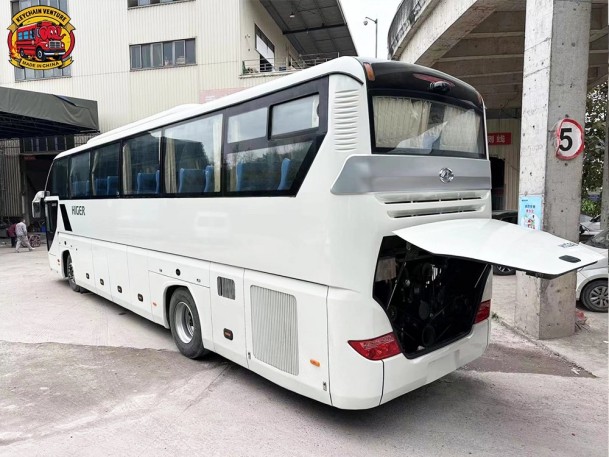
Purchasing a pre-owned vehicle requires due diligence. A bus's performance, comfort, and safety rely on proper evaluation before acquisition.
- Engine Condition: Inspect overall engine health, oil usage, and emission performance.
- Mileage: A higher odometer doesn't always indicate less value if regular servicing is proven.
- Chassis Integrity: Examine the undercarriage, structural frame, and suspension components for stability.
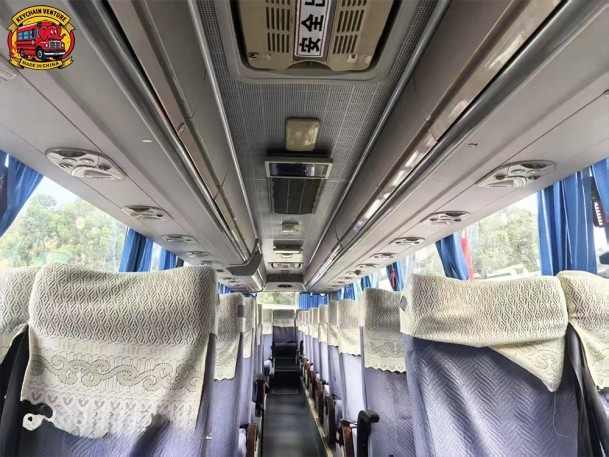
- Interior Standards: Clean, ergonomic, and climate-controlled interiors improve passenger satisfaction.
- Compliance: Regulatory certifications ensure the bus is legally operable under regional safety and environmental laws.
- Supplier Trust: Purchasing from a professional, established source such as KeyChain Venture Co., Ltd. ensures authentic documentation, fair pricing, and warranty provisions.
These measures not only secure performance assurance but also pledge long-term cost savings and consistent reliability.
Buses are no longer confined to passenger carriage. Their roomy interiors, connectivity potential, and modular designs enable creative commercial and community-oriented applications worldwide.
Converted Used Bus units serve as clinics and vaccination centers, especially in areas lacking permanent healthcare facilities. This transformation supports equitable access to medical services.
Many schools and NGOs turn Used Bus models into mobile classrooms or libraries that travel to underserved regions, enabling inclusive education outreach.
Large events or enterprise fairs often operate shuttle programs using refurbished coaches equipped with premium seating, digital displays, and branded exteriors. Utilizing a Used Bus allows event organizers to maintain professionalism without overspending.
The exterior panels of a Used Bus are excellent mobile advertising platforms. Brands employ moving billboards to capture continuous citywide exposure while simultaneously supporting transport services.
Governments and aid organizations have adapted Used Bus frameworks into emergency command units, mobile kitchens, and temporary shelters during disasters, proving their adaptability beyond traditional commercial use.
Advancements in technology are transforming even the Used Bus segment. Retrofitting programs now combine traditional engineering with digital innovation to modernize existing fleets.
- Smart Tracking Systems: GPS-based fleet control ensures on-time performance and real-time location updates.
- Electric Conversions: Diesel-to-electric retrofits provide an affordable pathway to environmental compliance.
- Passenger-Focused Enhancements: USB charging ports, onboard Wi-Fi, and digital ticket scanners are increasingly standard, even in pre-owned fleets.
- Predictive Maintenance Tools: Artificial intelligence assists in monitoring usage data, preventing breakdowns before they occur.
These transformations make the Used Bus market more dynamic and sustainable than ever before, helping operators merge economic efficiency with technological progress.
Companies and governments alike are shifting toward sustainability-driven procurement. Instead of continuously investing in new fleets, many are extending asset life cycles through repurposing programs. KeyChain Venture Co., Ltd. offers turnkey solutions enabling organizations to choose from a diverse catalog of certified Used Bus models. Each bus undergoes comprehensive performance testing, component replacement, and system updates before sale, ensuring both economic and operational peace of mind.
International customers benefit from tailored export services, financing support, and seasonally adjusted procurement schedules. Whether for school transport, staff logistics, tourism, or intercity services, KeyChain Venture Co., Ltd. delivers customized options built around efficiency, value, and reliability.
Buses do more than move people—they influence daily life, work patterns, and environmental habits. They enhance community accessibility, promote tourism, and foster social inclusion by connecting individuals from all income backgrounds.
For developing regions, the affordability of a well-maintained Used Bus directly supports employment and education. For urban economies, fleets contribute to emission reduction goals by replacing older, inefficient vans or private vehicles. In short, buses are not merely transport tools—they are instruments of social cohesion and sustainable progress.
Looking forward, the bus industry is poised to embrace innovation while retaining its cost-efficiency advantage. The integration of renewable energy, intelligent transport systems, and advanced comfort designs ensures that even the Used Bus sector will remain crucial.
Emerging trends include automated route optimization powered by data analytics, flexible leasing for seasonal tourism markets, and governments offering tax benefits for green fleet conversions. KeyChain Venture Co., Ltd. actively invests in these sustainable technologies to align its product offerings with global environmental policies and customer expectations.
From bustling cities to remote villages, buses are the arteries of modern transportation. They bring people together, link economies, and embody mobility evolution. Choosing a Used Bus—backed by expert refurbishment and trusted suppliers like KeyChain Venture Co., Ltd.—offers unmatched value for businesses, organizations, and governments seeking responsible transport growth.
Every Used Bus that reenters service represents more than a financial choice; it's a commitment to efficiency, sustainability, and inclusivity. In today's interconnected world, where accessibility defines opportunity, the bus continues to prove that cost-effective mobility can also be smart, green, and empowering.
A Used Bus minimizes capital costs while maintaining high functionality, helping buyers expand operations quickly without overspending on new models.
With consistent maintenance, a Used Bus can perform efficiently for 10–15 years, depending on its original build quality and refurbishment depth.
Yes. Businesses convert Used Bus units into mobile classrooms, clinics, or promotional vehicles through structural and design customization.
Verify mechanical soundness, mileage, certification documents, safety compliance, and vendor reputation. Buy only from certified sellers.
Absolutely. Utilizing existing vehicles significantly reduces carbon emissions and supports sustainable transport by reusing durable components.


