Views: 222 Author: Amanda Publish Time: 2025-11-21 Origin: Site


Content Menu
● The Current Landscape of the Used Tractor Market in the Philippines
● Price Range of Used Tractors
● Types of Used Tractors and Their Applications
>> Compact and Utility Tractors
>> Heavy-Duty Agricultural Tractors
● Key Factors Influencing Used Tractor Prices
● Maintenance and Ownership Costs for Used Tractors in the Philippines
● Where to Buy Used Tractors in the Philippines
● Tips for Buying a Used Tractor
● Latest Trends in Philippine Tractor Market
● Frequently Asked Questions (FAQ)
>> 1. What is the typical price range for a used tractor in the Philippines?
>> 2. What factors should be considered when buying a used tractor?
>> 3. How much does maintenance for a used tractor cost?
>> 4. Where can I buy used tractors reliably in the Philippines?
>> 5. How can I reduce the ongoing repair costs of a used tractor?
The agricultural sector in the Philippines has evolved significantly, with mechanization playing a crucial role in improving farm productivity. Among the farming machinery, tractors stand out as indispensable tools that facilitate various agricultural processes from tilling to hauling. For many Filipino farmers, purchasing aused tractor emerges as a practical, cost-effective alternative to expensive new models. This article provides a comprehensive guide to the cost of used tractors in the Philippines, types available, factors influencing prices, maintenance considerations, buying tips, and a detailed FAQ section.
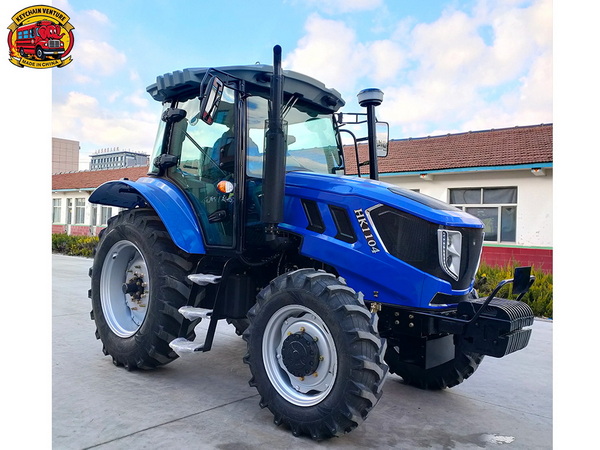
The market for tractors in the Philippines has demonstrated steady growth, valued at around USD 248.11 million in 2024 and projected to reach about USD 319.21 million by 2030. This growth is fueled by several factors including government programs aimed at agricultural mechanization, credit assistance, and rising labor shortages in farming due to urban migration.
Used tractors offer an accessible entry point for farmers and agricultural entrepreneurs who want to enhance their productivity without the heavy financial burden of new machinery. The demand for these machines encompasses a wide range of farm sizes and enterprise needs.
Used tractor prices in the Philippines vary considerably based on factors like horsepower, brand, condition, and attachments. Typically, the price ranges are:
- Mini and hand tractors: These compact and affordable tractors suited for small farms or gardens range from PHP 10,000 to PHP 40,000 (USD 200 to USD 800).
- Compact to utility tractors (15-50 HP): Used machines in this category usually cost between PHP 100,000 and PHP 1,200,000 (USD 2,000 to USD 24,000).
- Heavy-duty tractors (above 50 HP): For commercial farms and plantations, prices vary from PHP 800,000 to over PHP 2,600,000 (USD 16,000 to USD 52,000).
The wide price spectrum facilitates options for a broad audience from smallholder farmers to large agribusiness companies.[1][11]
These are ideal for small farms or backyard gardens where maneuverability and affordability are priorities. They are mostly used for light tillage, seedbed preparation, and transport of small loads.
These versatile machines can perform a variety of tasks like plowing, harrowing, planting, and hauling. Their power range between 15 to 50 HP makes them popular among medium-sized farms for multiple operations throughout the farming cycle.
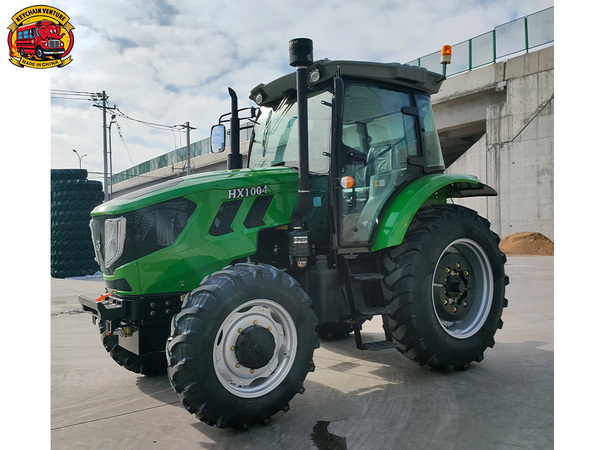
Heavy-duty tractors, often exceeding 50 HP, are suited for extensive commercial farming. They handle demanding workloads like deep plowing, heavy towing, and operate large farming implements.
Several key elements affect the pricing of used tractors in the Philippines:
- Horsepower and Engine Size: Higher power tractors are generally priced higher due to increased capability.
- Brand Reputation: Well-known brands such as Kubota, John Deere, and New Holland attract higher prices because of their durability and availability of spare parts.
- Age and Condition: Newer tractors with lower engine hours, well-maintained units command premium prices.
- Included Attachments: The presence of implements like plows, seeders, or trailers increases value.
- Market Dynamics: Prices fluctuate seasonally and geographically depending on demand, availability, and local economic conditions.
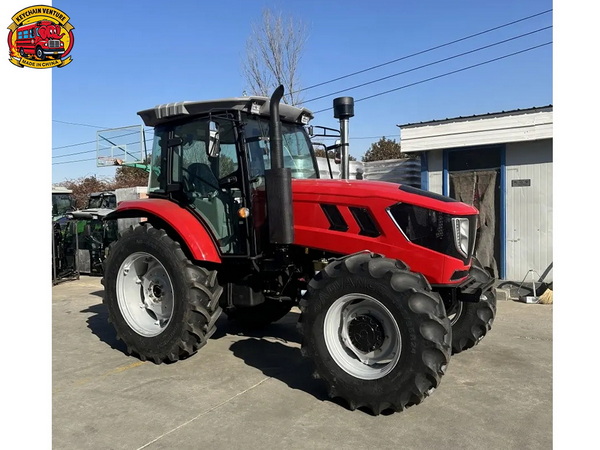
Beyond the purchase price, owning a used tractor includes ongoing maintenance and operational costs. In the Philippines, farmers can expect expenses such as:
- Fuel: Depending on usage, fuel represents a significant recurring cost, with prices averaging PHP 51.70 per liter.
- Lubricants and Oils: Regular replacement of engine oil, hydraulic fluid, and greasing parts are essential for smooth operation.
- Repairs and Parts Replacement: Periodic replacement of tires, belts, filters, and worn mechanical parts happens more frequently with used equipment.
- Labor Costs: Operators and mechanics contribute to maintenance overheads. Labor rates average PHP 44.33 per hour for tractor operations.
- Preventive Maintenance: Regular check-ups, filter changes, and tune-ups help minimize costly breakdowns.
Farmers are encouraged to invest in preventive maintenance by following manufacturer guidelines, conducting daily inspections to catch early issues, and keeping detailed service records. Operator training is also crucial to maximize equipment life and minimize repair expenses.[2][3]
Multiple options exist for procuring used tractors:
- Authorized dealers and showrooms: These offer inspected engines and warranties.
- Online marketplaces: Websites and social media platforms where individuals and dealers list used tractors.
- Farm auctions and government surplus sales: These can offer competitive prices but require careful inspection.
- Direct purchase from other farmers: Can be cost-effective but entails higher risk unless the tractor is thoroughly inspected.
It is important to verify the credibility of sellers, inspect the tractor physically or virtually, and review maintenance history before purchasing.
To make a wise investment, consider the following:
- Perform thorough inspections: Check the engine, brakes, hydraulic systems, tires, and overall functionality.
- Request documentation: Confirm the tractor's ownership papers and maintenance records.
- Test drive if possible: Gauges the tractor's performance and identifies noises or operational issues.
- Evaluate total cost of ownership: Include aftermarket repairs and future maintenance into your budget.
- Negotiate based on findings: Use any faults or upcoming repair needs as leverage to lower the price.
The Philippine market is seeing technological advances such as:
- Locally produced hydraulic components and upgraded fuel-efficient engines that reduce operational costs.
- Government programs facilitating farm mechanization: Subsidies and credit support through agricultural loans enhance tractor accessibility.
- Use of electric and autonomous tractors: Emerging technologies demonstrated by companies like Kubota at international expos highlight mechanization's future.
These trends promise greater efficiency, lower labor dependency, and more sustainable farming practices.[1]
Used tractors in the Philippines represent a pragmatic choice for farmers and agricultural enterprises seeking to improve productivity affordably. Prices vary widely, providing options for different scales and budgets. While the initial cost is important, buyers must consider maintenance, operational costs, and seller reliability to make informed decisions. Ongoing government support and technological innovation continue to boost the availability and functions of tractors, ensuring that mechanization remains a cornerstone of the country's agricultural growth.
Prices depend on horsepower, brand, and condition but typically range from PHP 10,000 to PHP 2,600,000 (roughly USD 200 to USD 52,000).[11][1]
Consider horsepower, brand reputation, tractor condition, included attachments, maintenance history, and price.[11]
Maintenance includes fuel, lubricants, repairs, parts replacement, and labor. Average costs can vary, and preventive maintenance reduces expensive repairs.[3][2]
Used tractors can be bought from authorized dealers, online marketplaces, government auctions, or directly from farmers.[12][11]
Prioritize preventive maintenance, train operators, conduct daily inspections, keep detailed maintenance records, and choose the right tractor size to avoid overuse.[3]
[1](https://www.marknteladvisors.com/research-library/philippines-tractor-market.html)
[2](https://www.journalppw.com/index.php/jpsp/article/download/4278/2823)
[3](https://fordtractor.ph/tips-reduce-farm-equipment-repair-costs/)
[4](https://cropilots.com/how-to-buy-chinese-tractors-in-the-philippines/)
[5](https://www.tractorco.net/repairs-and-services)
[6](https://www.facebook.com/groups/327339897970170/posts/1301892590514891/)
[7](https://www.youtube.com/watch?v=O4Q2ER-3qKM)
[8](https://www.semanticscholar.org/paper/09be665f59df492e19c2a5adff89845337e99442)
[9](https://www.farmtractor.net/analysis-of-tractor-maintenance-costs-comparison-of-10-year-operating-costs-between-electric-and-diesel-models.html)
[10](https://fordtractor.ph/faqs/)
[11](https://www.accio.com/plp/farm-implements-philippines)
[12](https://www.facebook.com/groups/327339897970170/)