


Content Menu
● Typical Width of Dump Trucks
>> Factors Influencing Dump Truck Width
● Legal Restrictions and Road Width Limits
● Types of Dump Trucks and Their Widths
● Why Width Matters in Dump Trucks
● Operational Considerations for Dump Truck Width
>> Maneuvering in Urban Settings
>> Off-Road Use
● Impact of Width on Dump Truck Stability and Safety
● Maintenance and Design Trends Related to Width
● Technological Advances Affecting Dump Truck Width and Usage
● Environmental Impact Related to Dump Truck Width
● KeyChain Venture Co., Ltd.: A Leading Dump Truck Supplier
● FAQ
>> 1. What is the legal maximum width for a dump truck on highways?
>> 2. Why are some dump trucks wider than others?
>> 3. How does dump truck width affect safety?
>> 4. Can dump truck width be adjusted for different jobs?
>> 5. Are off-road dump trucks regulated by width laws?
Dump trucks are essential vehicles in the construction, mining, and infrastructure industries. They efficiently carry bulk materials like sand, gravel, and demolition waste, facilitating numerous projects. Understanding the dimensions of dump trucks, especially their width, is crucial for safe and legal operation on different roads and work sites. This detailed article explores the typical width of dump trucks, factors affecting their size, regulations, types, and how width impacts their performance and usage.
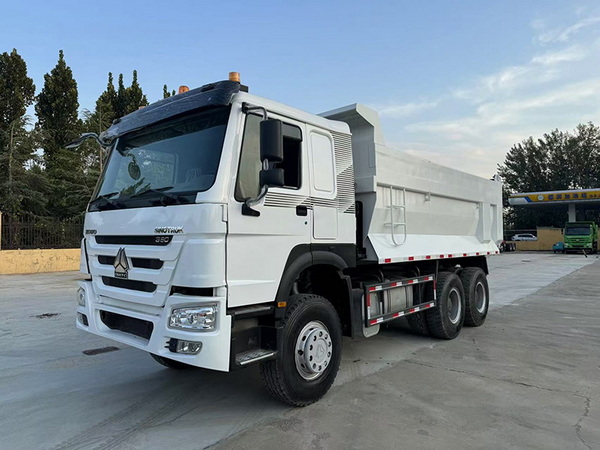
Dump trucks, sometimes called tipper trucks, are designed to transport and unload heavy loads. They have a large open-box bed hinged at the rear, which can be lifted to dump contents at the delivery location.
- Widely used in construction for earthmoving.
- Critical for mining operations moving rock and minerals.
- Used in waste management for hauling debris.
Understanding their size, weight, and capacity ensures proper road use permissions and operational efficiency.
The width of a dump truck can vary based on the model, purpose, and region. However, some general ranges apply:
- Standard Dump Trucks: Usually range from 8 to 8.5 feet (about 2.4 to 2.6 meters) wide.
- Articulated Dump Trucks: These heavier, off-road types often are wider, typically around 10 feet (3 meters).
- Mini Dump Trucks: Used in tight urban or residential settings, these might be as narrow as 5 to 7 feet (1.5 to 2.1 meters).
- Load Capacity: Larger capacities require wider beds and chassis.
- Road and Bridge Regulations: Width limits vary in different countries and states.
- Purpose: Off-road dump trucks can afford to be wider; on-road trucks need to comply with stricter width laws.
- Manufacturers' Design: Innovation and technology can affect dimensions for better maneuverability.
Many regions have strict rules for vehicle widths to maintain road safety:
- United States: Federal and state limits generally set legal truck width at 102 inches (8.5 feet) without special permits.
- European Union: Width limits vary by country but usually range around 2.55 meters for heavy trucks.
- China: The width limit is typically 2.55 to 2.6 meters for heavy vehicles, closely matching international standards.
Operators must verify local regulations to avoid fines or roadblocks and to arrange oversize load permits if necessary.
These trucks have rigid frames and are used mostly on highways and roads. Their width balances capacity with road regulations. The bed widths typically hover around the 8-foot mark.
Articulated dump trucks feature two sections connected by a pivot joint, allowing flexible movement on rough terrain. The wider beds handle large, heavy loads on construction and mining sites.
These have two linked trailers for extra load capacity but keep the width legal for road use by staying around standard width limits.
With massive bodies for mining, off-road dump trucks prioritize load over regulatory width, typically found in remote areas where road width laws don't apply.
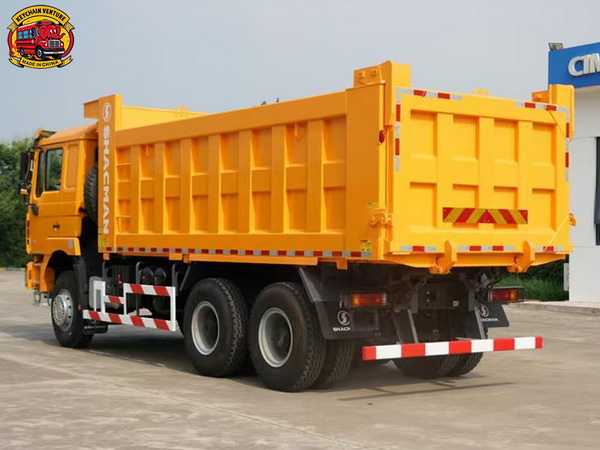
- Road Safety: Ensuring the truck fits within lane widths prevents accidents.
- Permitting: Trucks exceeding width regulations often require permits and escorts.
- Fuel Efficiency: Wider trucks face more air resistance, impacting fuel consumption.
- Maneuverability: Wider dump trucks are harder to maneuver in confined spaces.
- Load Capacity: A wider truck bed generally supports a larger payload.
Dump trucks operating in cities must be narrow enough to navigate streets and tight corners. Mini dump trucks fill this need perfectly, maintaining efficiency without sacrificing access.
For transport on highways, the width often hits the legal maximum to maximize load while complying with laws.
In mining or quarry sites, wider dump trucks are common since they don't always face legal width restrictions, but their size requires specially designed terrain.
Wider dump trucks generally have increased stability due to a broader base, reducing the risk of overturning during transport or unloading. However, excessively wide trucks pose challenges crossing narrow bridges or navigating tunnels.
Stability is particularly important in off-road situations where uneven terrain can cause tipping. Manufacturers design wider chassis and use advanced suspension systems to maintain safety during operation. On-road dump trucks are built to ensure that their width does not compromise lane safety or cause excessive wear on road infrastructure.
Truck manufacturers like KeyChain Venture Co., Ltd. innovate by optimizing width for strength and fuel economy. Designs now improve aerodynamics within regulated widths, and adjustable wheelbases can help adapt trucks to different operational requirements.
Materials technology also plays a role in dump truck width design. Using high-strength but lighter materials can maintain structural integrity while avoiding unnecessary width increases due to reinforcements. This ensures vehicles remain within legal width limits without sacrificing durability.
- Cameras and Sensors: Wider trucks are equipped with cameras and proximity sensors to monitor side clearances, preventing collisions.
- Route Optimization: GPS-enabled software helps drivers avoid routes with narrow bridges or low-clearance tunnels unsuitable for wide loads.
- Autonomous Dump Trucks: Self-driving technology is increasingly applied to oversized dump trucks in mining, where width is less regulated but safety is paramount.
- Load Monitoring Systems: These ensure that width and weight limits are not exceeded, preventing operational hazards and legal penalties.
The width of a dump truck indirectly affects its environmental footprint. Wider trucks generally consume more fuel due to increased air resistance. As the global focus shifts toward sustainability, manufacturers and operators seek to balance truck size with fuel efficiency.
Narrower trucks may require more trips but offer better fuel efficiency per trip compared to oversized vehicles struggling with drag. Hybrid and electric dump trucks are also being developed, where width optimization plays a role in battery placement and vehicle balance.
KeyChain Venture Co., Ltd. is one of China's premier commercial vehicle suppliers, specializing in high-performance dump trucks and heavy trucks suitable for domestic and international markets. By focusing on optimal vehicle width and innovative engineering, the company delivers dump trucks that meet global safety and regulatory standards while maximizing payload and efficiency.
Their product range spans standard, articulated, and mini dump trucks designed to meet diverse operational needs. KeyChain continuously invests in technology and quality to provide durable and safe vehicles suited for various environments.
The width of dump trucks is a critical dimension impacting vehicle legality, safety, maneuverability, and efficiency. While standard sizes range from around 8 to 10 feet depending on the type and use, regional regulations strictly govern allowable widths on public roads. Off-road applications may allow for wider configurations but still emphasize stability and operational safety.
Understanding dump truck width and related factors is essential for operators, manufacturers, and buyers alike. Companies like KeyChain Venture Co., Ltd. exemplify how innovation and compliance come together to produce high-quality dump trucks tailored for various demands while adhering to legal requirements. Properly managing dump truck width not only ensures road safety and efficient transport but also contributes to the longevity of infrastructure and environmental sustainability.
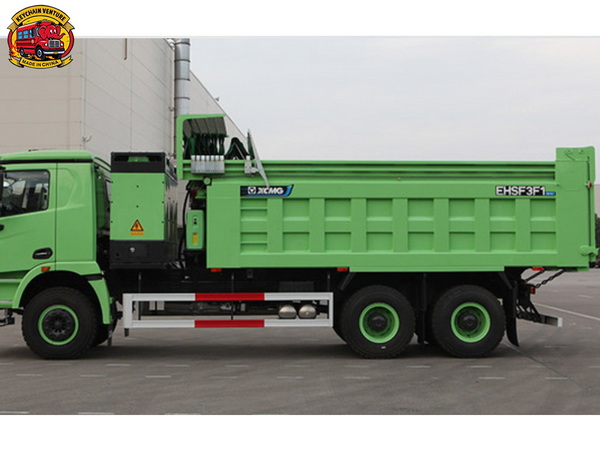
The legal width in most countries is approximately 8.5 feet (2.6 meters) without special permits. Exceeding this usually requires oversize load permits and escorts.
Dump truck width varies based on load capacity, off-road versus on-road use, manufacturer design, and regional regulations.
Wider trucks have better stability but require careful route planning to avoid narrow roads and bridges to prevent accidents.
Some advanced models have adjustable wheelbases or interchangeable beds, but generally, width is fixed and selected based on job requirements.
Often, off-road dump trucks operate in locations without strict width regulations, allowing for wider bodies designed solely for load capacity and stability.


