
Views: 222 Author: Amanda Publish Time: 2025-10-17 Origin: Site


Content Menu
● The Giant Excavator Monument in Rust
>> Key Features
● Preparing to Use the Giant Excavator
● Operating the Giant Excavator: Step-by-Step
>> Step 1: Clearing the Scientist Threat
>> Step 2: Refueling the Excavator
>> Step 3: Starting the Excavator
>> Step 4: Selecting the Resource to Mine
>> Step 5: Collecting Mined Resources
● Operational Challenges and Solutions
● Benefits of Mastering the Giant Excavator
● Practical Insights from Real-World Used Excavators
>> Factors to Consider When Dealing with Used Excavators
● Summary
● Frequently Asked Questions (FAQ)
>> 1. How much Diesel Fuel does the Giant Excavator use?
>> 2. What types of resources can I mine with the Giant Excavator?
>> 3. What protective gear is recommended when using the Giant Excavator?
>> 4. Is it feasible to run the Giant Excavator solo?
>> 5. What should a buyer look for in a used excavator in real life?
The Giant Excavator in Rust stands as a monumental asset for resource gathering, offering players a lucrative opportunity to obtain essential materials like sulfur, metal fragments, stone, and high-quality metal ore (HQM). Mastering the operation of this massive machine requires strategic planning, coordination, and understanding of its mechanics. Beyond the world of Rust, the concept aligns closely with real-world used excavators, which are vital machinery in construction and mining sectors globally. This guide provides an authoritative step-by-step walkthrough of using the Giant Excavator, delving into safety, fuel management, strategic gameplay, and real-world parallels to used excavators for a seamless, informative experience.
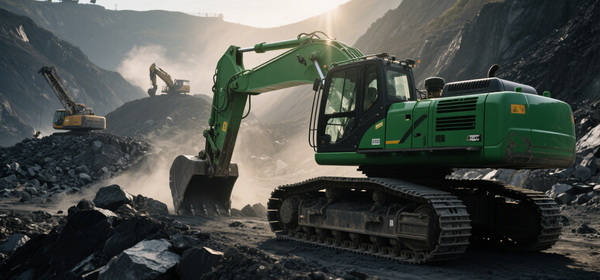
The Giant Excavator is unique among Rust's monuments due to its scale and operational complexity. Unlike simple resource nodes, it embodies a working machine that players must actively operate and defend. Located in a radiation zone, the Giant Excavator attracts players for its valuable output but comes with challenges such as hostile NPC scientists and environmental hazards.
- Large, operable mining machine.
- Requires Diesel Fuel as the sole fuel source.
- Protected by aggressive NPC scientists.
- Provides outputs that include sulfur, stone, metal fragments, and high-quality metal ores.
- Requires teamwork to operate safely and profitably.
Understanding these features helps players anticipate the monument's demands and maximize their gains.
Preparation is the foundation for a successful mining session at the Giant Excavator. Players must ensure they have the right equipment, protection, and ammunition.
Radiation surrounds the excavator pit, posing significant health risks. It is crucial to equip a hazmat suit or durable radiation-proof clothing to avoid exposure effects. Gloves, boots, and helmets with radiation resistance enhance survivability.
Approximately 18 hostile NPC scientists patrol and guard the area, presenting a serious threat. Players must carry sufficient weaponry such as sniper rifles, assault rifles, or high-damage bows with ample ammunition to clear these enemies. Defense against rival players seeking to claim the monument is also necessary, so teamwork and vigilance are vital.
The Giant Excavator runs exclusively on Diesel Fuel, with a maximum input of 20 barrels needed for a full 40-minute operation. Players should stockpile the necessary fuel beforehand or coordinate fuel supply runs during operation for continuous mining.
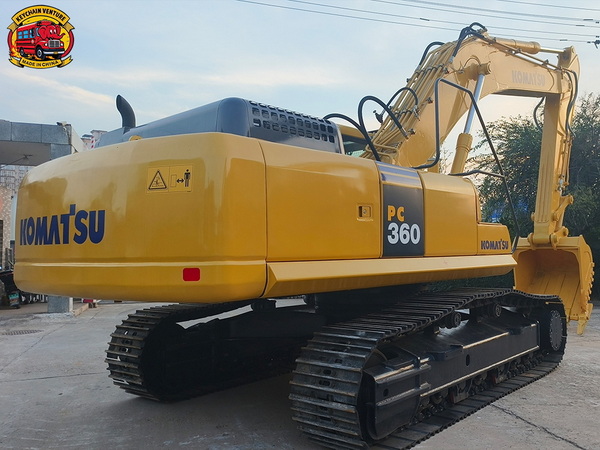
Once prepared, players can initiate the operation of the Giant Excavator through a series of deliberate steps.
Security begins with clearing all scientists from the pit area. Using long-range weapons minimizes risk. Players should communicate to avoid wasted shots and coordinate to finish the cleansing swiftly.
The diesel fuel tank is located in the base of the excavator. Up to 20 barrels are loaded for maximum runtime. This step is critical, as the machine cannot function without the optimum fuel supply.
The control panel is positioned inside the excavator's arm room. After fueling, players must activate the engine with careful timing, preparing for the loud noise and potential aggression from other players drawn by the activity.
The excavator offers four resource output options:
- Sulfur
- Metal Fragments
- Stone
- High-Quality Metal Ore (HQM)
Players use the control panel to choose the desired resource. Selecting the right material depends on current player needs and market value.
The excavated materials funnel into two collection bins. Players must split duties to avoid resource loss. Timed collection coordinated with fueling schedules optimizes productivity.
Despite radiation protection gear, continuous exposure can deplete health. Minimizing time spent outside covered areas and utilizing quick collection methods help reduce damage.
Scientists respawn periodically. Keeping constant watch or having a rotating guard for defense maintains safety during multiple mining sessions.
Due to the high value of the Giant Excavator's output, other player groups often attempt to seize control. Maintaining communication, strategic defense positions, and quick resource grabs prevent these hostile takeovers.
Successfully running the Giant Excavator yields considerable advantages in Rust gameplay:
- Abundant resources for crafting, building, and trading.
- Continuous income over extended periods with efficient fuel usage.
- Enhanced team coordination and tactical gameplay experiences.
- Access to rare high-quality metal ore, which is essential for advanced gear and weaponry.
These benefits position the Giant Excavator as a crucial monument for players aiming to dominate resource acquisition and trade.
The operation of the Giant Excavator in Rust shares notable similarities with real-world used excavators. These massive machines power global industries by excavating, moving earth, and extracting minerals. Understanding real-world excavator principles informs gameplay strategy and vice versa.
When purchasing or operating a used excavator, several key factors ensure efficiency and safety:
- Engine Condition: Essential to verify fuel type, engine hours, and maintenance history.
- Hydraulic System: Functionality and leak absence are critical for proper arm and bucket movement.
- Structure and Frame Integrity: Wear or cracks can compromise safety and performance.
- Attachment Suitability: Different attachments cater to excavation, demolition, or lifting tasks.
- Fuel Efficiency: Diesel fuel compatibility aligns with Rust's excavator fuel model.
Regular inspection mirrors gameplay mechanics where gathering resources requires upkeep—real used excavators need fluid checks, filter changes, and mechanical inspections to avoid costly downtime and maximize lifespan.
Operating the Giant Excavator in Rust is both challenging and rewarding, combining combat, strategy, and resource management into one gameplay experience. This comprehensive guide has detailed every step from preparation, fueling, operation, defense, and resource collection. Additionally, it has bridged in real-world insights for used excavator operation and purchasing, reinforcing the value of knowledge across virtual and physical realms.
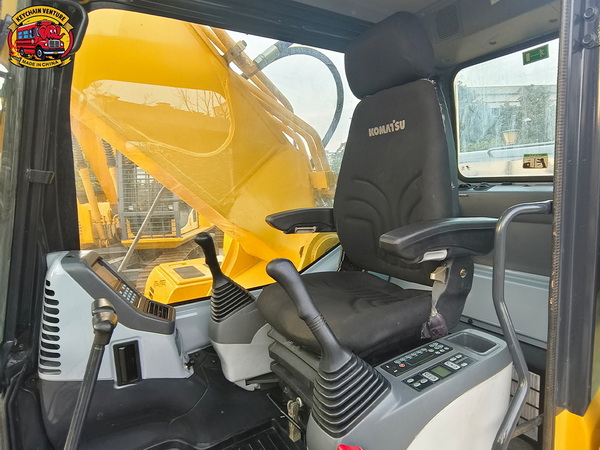
The Giant Excavator consumes 20 units of diesel fuel for a full 40-minute run, using one unit every 2 minutes. Monitoring fuel prevents downtime during mining operations.
Players can select sulfur, metal fragments, stone, or high-quality metal ore according to their material priorities and immediate needs.
A hazmat suit or comparable radiation-resistant clothing is essential. Gloves, boots, and helmets designed to mitigate radiation damage improve survivability.
While possible, operating solo increases risks from NPC scientists and other players. A team enhances mine defense, fuel supply, and resource collection efficiency.
Key things include engine health, hydraulic system condition, structural integrity, attachment compatibility, and overall maintenance history. These reduce mechanical failures and optimize productivity.


