
Views: 222 Author: Amanda Publish Time: 2025-09-19 Origin: Site


Content Menu
● Introduction to Small Excavators and Their Importance
>> Benefits of Using a Small Excavator
● Safety First: Preparing to Operate a Small Excavator
● Getting Started: Pre-Operation Checklist
>> Inspecting the Used Excavator
● Operating the Small Excavator: Step-by-Step Guide
>> Starting the Engine and Warm-up
>> Using Attachments to Enhance Productivity
● Terrain and Stability Considerations
● Transportation and Storage of Small Excavators
>> Transportation Best Practices
● Maintenance Tips for Longevity
● Common Applications of Small Excavators
● Advantages of Buying a Used Excavator
● Frequently Asked Questions (FAQ)
>> 1. What is the best way to choose a used excavator?
>> 2. Can a small excavator handle heavy-duty projects?
>> 3. How often should the hydraulic fluid be changed?
>> 4. Is training necessary to operate a small excavator?
>> 5. What attachments are commonly compatible with small excavators?
A small excavator is an essential piece of equipment for many construction, landscaping, and agricultural projects. Especially for companies and contractors looking for cost-effective and versatile machinery, a used excavator can provide excellent value. This guide will walk you through the proper use of a small excavator, covering everything from safety tips to operating techniques, maintenance, and practical applications. With hands-on knowledge, you'll enhance productivity, ensure safety, and extend the life of your excavator.
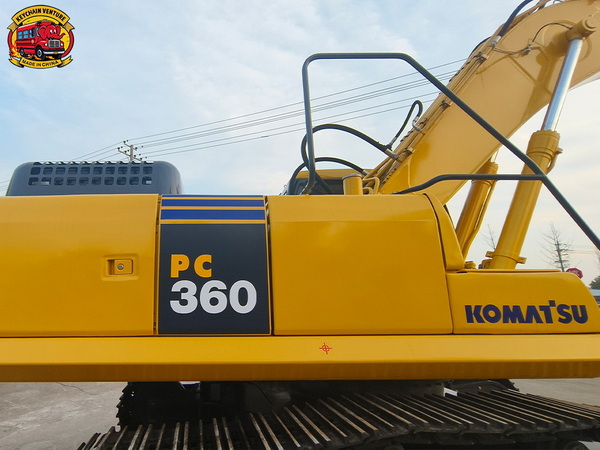
Small excavators, also known as mini excavators, are compact and highly maneuverable machines ideal for confined spaces or smaller scale projects. KeyChain Venture Co., Ltd. is a top supplier offering high-performance small excavators, including many models available as used excavators that meet stringent quality standards.
- Suitable for tight job sites where large equipment cannot operate
- Versatile in tasks like digging, trenching, demolition, and grading
- Lower operating costs compared to larger excavators
- Easier transportability on trucks and trailers
- Access to quality used excavators delivers cost-saving benefits
Before you start, safety should be your top priority. Operating a small excavator improperly can lead to accidents or equipment damage.
- Always wear personal protective equipment (PPE), including hard hats, safety shoes, gloves, and reflective vests.
- Check and ensure clear visibility around the worksite.
- Conduct a pre-operation inspection of the excavator, checking fluid levels, tracks or tires, hydraulics, and controls.
- Familiarize yourself with the machine's emergency shut-off procedures.
- Keep a safe distance from overhead power lines when operating.
- Never exceed the excavator's load capacity.
Whether new or used, a thorough inspection is necessary:
- Review the service history if available for a used excavator.
- Check under the coupe for fluid leaks.
- Inspect the bucket condition and pins for wear.
- Test track or wheel condition for any damage.
- Confirm that all lights, horns, and signals function properly.
The control panel of a small excavator typically includes:
- Joysticks for boom, arm, and bucket control.
- Pedals or levers for swing and travel.
- Engine start/stop switches.
- Hydraulic lockout switches for safety.
- Load indicators, fuel gauges, and hour meters.
Spend time reviewing the operator's manual specific to your model from KeyChain Venture or the used excavator supplier.
- Climb safely into the cabin ensuring three points of contact.
- Fasten the seatbelt.
- Turn the ignition key to start the engine.
- Allow the engine to idle for a few minutes to warm up the hydraulic system.
- Use joystick controls smoothly to avoid jerks.
- Practice basic arm, boom, and bucket movements.
- Understand how to swing the house (upper structure) independently.
- Use pedals or levers to move forward or reverse the machine.
- Always keep an eye on the terrain and surroundings.
- Position the excavator parallel to the digging area.
- Extend the boom and lower the arm to dig deep.
- Curl the bucket to scoop soil or debris efficiently.
- Lift and swing the bucket to your dumping location.
- Avoid sudden movements to maintain stability.
- Use the bucket edge for trenching tasks.
- Maintain proper depth control to ensure consistent trench sizes.
- For leveling or grading, use the bucket to drag across the surface steadily.
Small excavators can be equipped with various attachments to expand their functionality:
- Hydraulic breakers for demolition of concrete and rock.
- Augers for drilling holes in the ground.
- Grapples for handling materials like logs or scrap.
- Rippers for breaking hard soil or frozen ground.
These attachments are often compatible with used excavators, making them more versatile for different types of projects.
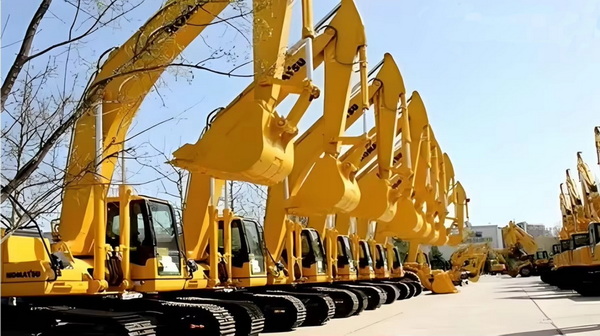
Operating a small excavator safely and effectively requires keen attention to terrain and machine stability.
- Always assess soil conditions—soft or uneven ground can impact stability.
- Use the excavator's blade to stabilize the machine on sloped terrain.
- Avoid sudden swings of the boom or bucket on uneven or sloping surfaces to prevent tipping.
- When working near trenches, maintain safe distances as collapsing soil can cause serious hazards.
- In icy or muddy conditions, slow down operations and use tracks instead of tires if available.
- Small excavators are designed for easy transport but require secure loading procedures.
- Use ramps with adequate strength and angle for loading on trailers.
- Secure the machine with chains or straps to prevent movement during transit.
- Check local regulations on weight limits and permits if transporting over long distances.
- Clean the machine of dirt and debris after use to prevent corrosion.
- Inspect and repair any leaks or mechanical issues before storage.
- Store in covered or indoor facilities to protect from weather damage.
- For extended storage, disconnect battery terminals and cover exposed hydraulic fittings.
Maintaining your small excavator—whether new or a used excavator—is essential to keep it running efficiently.
- Regularly check hydraulic fluid, engine oil, and coolant.
- Grease the pivot pins and bushings after every 50 operating hours.
- Inspect and clean the air filter to prevent engine problems.
- Keep tracks or tires tensioned correctly.
- Replace worn-out teeth or blades on the bucket timely.
- Monitor battery charge and clean terminals.
- Schedule professional servicing as recommended by the manufacturer.
Routine maintenance ensures your equipment remains reliable and reduces costly downtime.
Small excavators are highly versatile and used in varied industries:
- Landscaping: Digging holes for trees and flower beds, shaping gardens.
- Utility work: Excavating trenches for laying pipes and cables safely in residential areas.
- Construction: Foundation trenches, site clearing, and grading on limited spaces.
- Agriculture: Constructing ponds, irrigation ditches, and landscape leveling.
- Demolition: Removing small structures or breaking concrete with hydraulic attachments.
The ability to buy a used excavator gives businesses the flexibility to access these applications without high capital investment.
Acquiring a quality used excavator from reliable suppliers like KeyChain Venture Co., Ltd. offers many benefits:
- Lower upfront cost compared to new machines.
- Availability of various models with proven performance.
- Reduced depreciation impact for resale.
- Access to rigorous inspections and warranty choices.
- Immediate availability with no waiting for production.
When choosing a used excavator, always request detailed service documents and physically inspect before purchase. This ensures you get the best value and reliability out of your investment.
Using a small excavator effectively requires understanding both the machinery and the work environment. With proper training, regular maintenance, and adherence to safety guidelines, small excavators—particularly quality used excavators—can offer exceptional value for all your excavation needs. KeyChain Venture Co., Ltd. stands ready to supply reliable machines tailored for domestic and international clients, ensuring your projects run smoothly and productively.
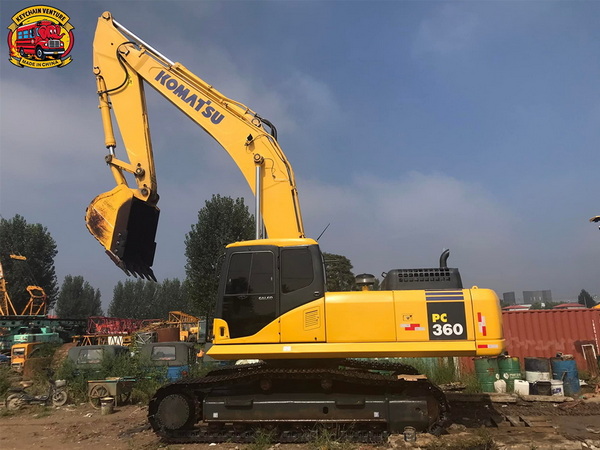
Inspect the machine's working hours, maintenance history, and physical condition thoroughly. Buy from reputable suppliers who provide reliable inspection reports.
While small excavators are versatile, they have weight and size limits. For heavy-duty or large excavation jobs, larger machines should be considered.
Generally, it should be replaced every 1,000 hours or annually, whichever comes first, to maintain system efficiency and prevent damage.
Yes, formal training or thorough hands-on practice is crucial for safe and efficient operation.
Common attachments include buckets, hydraulic breakers, augers, grapples, and rippers, enhancing versatility for different projects.


