
Views: 222 Author: Amanda Publish Time: 2025-10-16 Origin: Site


Content Menu
● Assess Your Operational Requirements
● Evaluate the Engine Condition Thoroughly
● Inspect Fluid Levels and Quality
● Examine the Transmission and Clutch
● Conduct a Comprehensive Visual Inspection
● Analyze Maintenance and Service History
● Test Drive and Operational Evaluation
● Consider the Type and Compatibility of Attachments
● Understand the Risks and Benefits of Used Tractors
>> Advantages:
● Seek Professional Inspection and Expert Advice
● Negotiate and Finalize the Purchase
● Frequently Asked Questions (FAQs)
>> 1. How important are the hours of operation when buying a used tractor?
>> 2. Should I buy a used tractor from a dealer or a private seller?
>> 3. What are the most common issues to look for in a used tractor?
>> 4. How can I verify the maintenance history of a used tractor?
>> 5. Can I use any attachments on my used tractor?
Purchasing a used tractor is a strategic decision that can significantly reduce equipment costs while still delivering reliable performance for agricultural, landscaping, or construction tasks. Whether you're a small-scale farmer, a homesteader, or a commercial operator, investing in aused tractor allows access to powerful machinery at a fraction of the price of a new model. However, the process requires diligence, technical awareness, and a clear understanding of what to look for. This comprehensive guide will walk you through every critical step of buying a good used tractor, ensuring you make an informed, value-driven purchase that meets your operational needs.
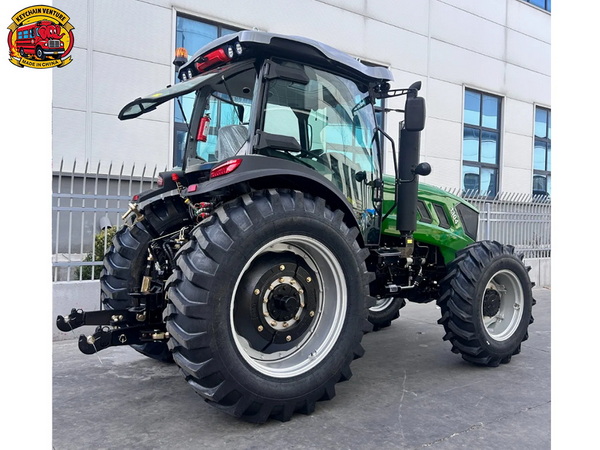
Before browsing listings or visiting dealerships, clearly define the tasks your used tractor will perform. This foundational step ensures you select a machine with the right capabilities.
- Determine the required horsepower based on your workload—light mowing may need only 20–30 HP, while heavy plowing or loader work may require 70+ HP.
- Consider land size, terrain type, and frequency of use.
- Identify necessary attachments such as front-end loaders, backhoes, mowers, plows, or sprayers.
- Decide between 2WD and 4WD models based on traction needs in muddy or uneven conditions.
Matching your needs with the right tractor specifications prevents overbuying or underperforming equipment, ensuring long-term satisfaction and productivity.
The engine is the most critical component of any used tractor, and its health directly impacts longevity and performance.
- Perform a cold start test: A healthy diesel engine should start smoothly without excessive cranking. Hesitation or failure to start may indicate fuel system or glow plug issues.
- Observe exhaust smoke: Blue or white smoke suggests oil burning or coolant intrusion, while black smoke may point to fuel injection problems.
- Check for unusual noises such as knocking, ticking, or grinding, which could signal internal damage.
- Inspect the oil dipstick for water contamination (milky appearance) or excessive sludge, both signs of poor maintenance or engine damage.
According to industry experts, most diesel engines reliably operate for 6,000 to 10,000 hours with proper care, making maintenance history more important than hours alone.[1]
Fluids provide vital clues about a used tractor's maintenance and internal condition.
- Engine oil: Should be black but not gritty. Milky oil indicates coolant mixing, a serious issue.
- Coolant: Should be clean and free of rust or oil residue. A dirty or rusty coolant suggests neglect or overheating history.
- Hydraulic fluid: Typically red or amber; dark or burnt-smelling fluid may indicate overheating or contamination.
- Fuel: Check for water or debris in the fuel tank, which can clog filters and damage injectors.
- Transmission and power steering fluid: Ensure proper levels and absence of leaks.
A thorough fluid inspection helps uncover hidden problems and assesses the overall care the used tractor has received.[2]
The transmission system must handle shifting smoothly under load.
- Test all gears for smooth engagement. Grinding or difficulty shifting may indicate worn synchronizers or clutch issues.
- Check for gear slippage, especially under load, which could signal internal wear.
- Assess clutch performance: A soft, spongy, or sticking clutch pedal may require replacement.
- Listen for unusual noises from the gearbox during operation.
A well-functioning transmission ensures reliable power delivery and reduces the risk of breakdowns during critical operations.[3]
Hydraulics power essential implements like loaders, mowers, and three-point hitches.
- Test the three-point hitch for lift speed and stability. Slow or uneven lifting may indicate pump or valve issues.
- Inspect hydraulic lines and connections for leaks, cracks, or bulges.
- Check cylinder rods for pitting or scoring, which can lead to seal failure.
- Ensure the hydraulic reservoir is clean and fluid level is correct.
A weak or leaking hydraulic system can render attachments ineffective, reducing the tractor's versatility and productivity.[4]
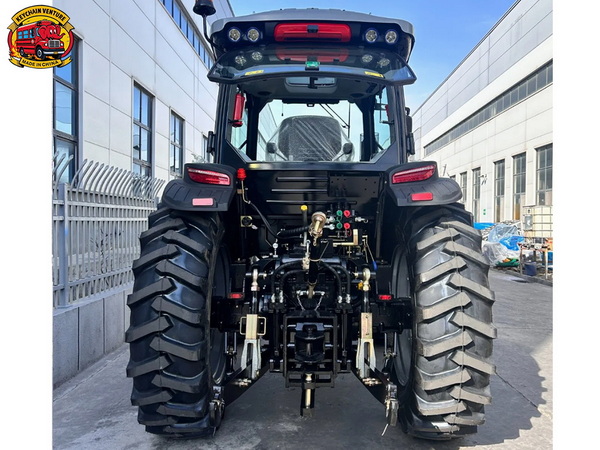
A detailed walk-around reveals signs of neglect, damage, or improper use.
- Look for rust, dents, or weld marks that may indicate past accidents or poor storage.
- Check tires for tread depth, cracks, or uneven wear. Bald or cracked tires compromise safety and traction.
- Inspect the frame and axles for cracks or bending, especially in high-stress areas.
- Verify that all lights, gauges, and warning indicators function properly.
- Ensure the seatbelt, ROPS (Rollover Protection Structure), and safety decals are present and intact.
Peeling paint, loose fixtures, or mismatched parts may suggest a lack of proper maintenance.[5]
A well-documented service record is a strong indicator of a well-maintained used tractor.
- Request logs of oil changes, filter replacements, coolant flushes, and major repairs.
- Verify if the tractor received regular professional servicing or was maintained by the owner.
- Look for patterns of deferred maintenance, which can lead to costly repairs.
- Cross-check the hour meter with the condition of wear items like belts, hoses, and brakes.
While high hours aren't inherently bad, consistent maintenance is crucial for long-term reliability.[6]
A test drive is essential to assess real-world performance.
- Operate the tractor under load, such as lifting a loader or engaging the PTO.
- Check steering responsiveness and brake effectiveness.
- Monitor engine temperature and oil pressure during extended operation.
- Test all controls, including PTO engagement, hydraulic levers, and transmission shifts.
A test drive reveals issues not visible during static inspection and confirms the machine's operational readiness.[4]
Ensure the used tractor can support your intended implements.
- Verify PTO type (540 or 1000 RPM) and shaft condition.
- Check three-point hitch category (I, II, or III) for compatibility with your equipment.
- Confirm hydraulic flow rate and pressure match attachment requirements.
- Inspect quick-connect fittings and electrical connections for wear.
A tractor that integrates seamlessly with your existing or planned attachments maximizes efficiency and reduces downtime.[4]
Buying a used tractor offers advantages but also carries risks.
- Lower cost: Significant savings compared to new models.
- Proven reliability: Older models have established performance records.
- Faster ROI: Lower initial investment leads to quicker payback.
- Negotiation leverage: Room for price adjustments based on condition.
- Wear and tear: Hidden mechanical issues may require costly repairs.
- Higher maintenance: Older machines often need more frequent servicing.
- No warranty: Most used tractors lack manufacturer coverage.
- Outdated technology: May lack modern comfort, safety, or efficiency features.
Weighing these factors helps determine if a used tractor aligns with your budget and risk tolerance.[4]
If uncertain, hire a qualified mechanic or agricultural equipment specialist.
- A professional can perform compression tests, hydraulic pressure checks, and electrical diagnostics.
- They can identify subtle issues like frame stress, bearing wear, or electrical faults.
- Their assessment provides objective data to support your decision.
Investing in a pre-purchase inspection can prevent costly surprises and ensure confidence in your purchase.[4]
Use your findings to negotiate a fair price.
- Point out any needed repairs or maintenance to justify a lower offer.
- Request a warranty or return policy, especially when buying from a dealer.
- Verify ownership documents, title, and registration to avoid legal issues.
- Arrange secure payment and transportation logistics.
A well-negotiated deal protects your investment and ensures a smooth transaction.
Buying a good used tractor requires careful planning, thorough inspection, and informed decision-making. By understanding your needs, evaluating engine and mechanical condition, reviewing maintenance history, and testing performance, you can find a reliable machine that delivers excellent value. While risks exist, proper due diligence minimizes them and increases the likelihood of a successful purchase. Whether for farming, landscaping, or property maintenance, a well-chosen used tractor can serve you efficiently for years, enhancing productivity without straining your budget. Always prioritize machines with documented care, realistic usage hours, and compatibility with your equipment. With the right approach, your investment in a used tractor will be both practical and profitable.
Hours indicate usage but are not the sole determinant of condition. A tractor with 4,000 hours and excellent maintenance may outperform one with 2,000 hours and poor care. Always review service records and inspect wear components.[3]
Dealers often offer certified pre-owned tractors with warranties and service support, providing greater peace of mind. Private sellers may offer lower prices but require more due diligence. Evaluate both options based on trust, documentation, and inspection results.[4]
Common problems include engine wear, transmission issues, hydraulic leaks, electrical faults, and worn tires. A comprehensive inspection covering fluids, operation, and structural integrity helps identify these issues early.[7]
Request service logs, repair receipts, and maintenance records from the seller. Contact previous service providers if possible. Lack of documentation is a red flag and may justify a lower offer or professional inspection.[4]
No—compatibility depends on horsepower, PTO type, hydraulic capacity, and hitch category. Always verify that your tractor meets the specifications of the attachments you plan to use to ensure safe and effective operation.[4]
[1](https://www.fieldsequip.com/go-to-guide-for-buying-used-tractor)
[2](https://www.tractorjunction.com/blog/how-to-check-the-health-of-a-used-tractor-engine/)
[3](https://www.localag.com.au/blog/10-things-to-check-on-a-second-hand-tractor-before-buying)
[4](https://agritec.bg/en/pros-cons-buying-used-tractor)
[5](https://www.hars.com.tr/en/what-to-check-before-buying-a-used-tractor)
[6](https://www.outdoorenergyllc.com/blog/top-factors-to-consider-when-buying-a-used-tractor)
[7](https://www.arizonatractorsales.com/blog/common-tractor-problems-and-how-to-fix-them--77374)
[8](https://ehs.msu.edu/occ/tractors/tractor-inspection-checklist.html)
[9](https://nelsontractorco.com/wp-content/uploads/nelson-tractor-used-tractor-inspection-checklist.pdf)
[10](https://www.agricentreltd.com/blog/key-factors-to-consider-when-buying-a-used-tractor--98667)
[11](https://digitalcommons.usu.edu/cgi/viewcontent.cgi?article=1537&context=extension_curall)
[12](https://www.hars.com.tr/en/common-problems-encountered-in-tractor-parts)
[13](https://torgersonsequipment.com/tips-for-inspecting-a-used-tractor/)
[14](https://solisworld.com/blog/used-tractor-buying-checklist-guide/)
[15](https://tractoraddict.com/what-to-look-for-when-buying-a-used-tractor-checklist-tips/)
[16](https://nelsontractorco.com/10-things-to-know-before-buying-a-used-tractor/)
[17](https://machinerydealer.co.uk/before-you-buy-a-thorough-examination-checklist-for-used-tractors/)
[18](https://www.recoequip.com/blog/tractorscommon-problems--solutions--21529)
[19](https://stmaaprodfwsite.blob.core.windows.net/assets/sites/1/2019/10/Second-hand-tractor-checklist-1.pdf)
[20](https://www.humphreysoutdoorpower.com/blog/2014/12/11/10-common-misconceptions-about-used-kubota-tractors)


