
Views: 222 Author: Amanda Publish Time: 2025-10-16 Origin: Site


Content Menu
● What Is a Down Payment and Why Is It Important?
● Typical Down Payment Amounts for a Used Tractor
● Financing Options When Buying a Used Tractor
>> 2. Leasing
>> 3. Specialized Equipment Financing
>> Down Payment's Role in Financing
● What to Consider When Buying a Used Tractor
>> Assess Your Operational Needs
>> Inspect the Tractor Thoroughly
>> Certified Pre-Owned Options
● Maintaining a Used Tractor After Purchase
● FAQs
>> 1. How much down payment is usually required for a used tractor?
>> 2. Can I finance a used tractor if I have bad credit?
>> 3. What financing terms are available for used tractor loans?
>> 4. Should I buy or lease a used tractor?
>> 5. What should I inspect before buying a used tractor?
Buying a used tractor is a significant investment for farmers, landscaping professionals, and businesses that rely on durable machinery to perform heavy-duty tasks. Unlike new tractors, used tractors come at a more affordable price point, making them a popular choice for many buyers. However, understanding how much money is required to put down when purchasing a used tractor is crucial to ensuring the purchase fits within a budget and financing plan. This article provides an in-depth guide on down payments, financing options, and practical buying advice to help potential buyers make informed decisions.
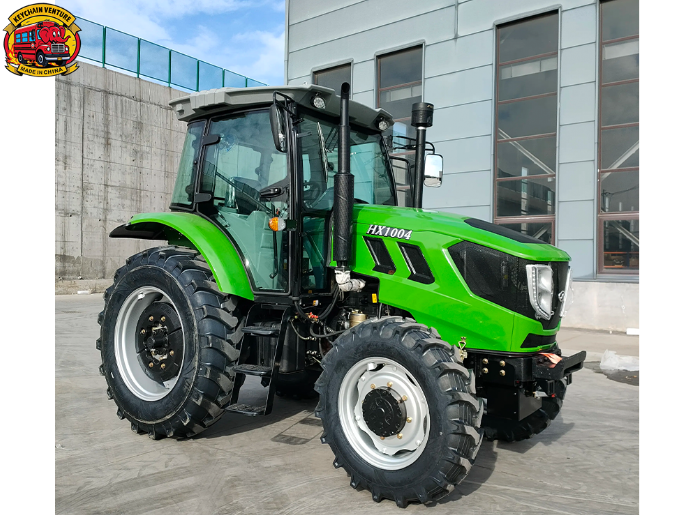
A down payment is the initial sum of money paid upfront when purchasing a used tractor before any financing or loan payments begin. The size of the down payment directly affects your loan amount, monthly payments, and overall interest costs. Lenders see down payments as a measure of buyer commitment and reduce their lending risk, which can influence interest rates and loan approval chances.
A healthy down payment can:
- Reduce the total amount financed.
- Lower monthly payments.
- Help secure favorable loan terms and interest rates.
- Improve chances of loan approval, especially if credit history is less than perfect.
The down payment needed to buy a used tractor varies widely and depends on a combination of factors including credit score, the tractor's age, condition, price, and lender requirements.
- Low Down Payment: Buyers with excellent credit and those purchasing relatively newer used tractors can expect down payments ranging from 5% to 10% of the tractor's price.
- Average Down Payment: For buyers with fair credit or older tractors, down payments typically range from 10% to 20%.
- High Down Payment: Buyers with poor credit or purchasing very old or high-risk tractors might be required to put down 20% to 40% or more.
For example, if you're buying a used tractor costing $50,000, the down payment could range anywhere from $2,500 (5%) to $20,000 (40%) depending on these variables.
Lenders may offer financing for 60% to 95% of the tractor's value, meaning the rest must be paid upfront or through trade-in equity. A larger down payment reduces lender risk and may result in lower interest rates, making the financing more affordable in the long run.[1][2]
Aside from paying cash, financing a used tractor is a common and practical solution. Various financing options are available, each with benefits and considerations:
Traditional agricultural or equipment loans are the most common method of financing a used tractor. You borrow the purchase amount minus your down payment and repay it over an agreed term with interest. Interest rates often depend on your creditworthiness, loan term, and lender policies.
- Interest rates tend to range from approximately 1.9% for excellent credit to upwards of 15% for higher-risk loans.
- Loan terms usually span 12 months to 7 years (84 months).
- Some lenders offer seasonal payment plans tailored to your income cycles, allowing you to make lower or no payments during off-seasons and larger payments during peak income periods.
Leasing a used tractor is another option particularly attractive for businesses who want lower monthly payments or want to upgrade machinery frequently. However:
- Leasing doesn't equate to ownership. At lease-end, you must return the tractor unless a buyout option is exercised.
- Lease payments are often lower than loan payments but do not build equity.
- Leasing terms vary widely depending on the lessor and equipment condition.
Some lenders specialize in farm and commercial equipment financing, including those who accept compromised credit and provide extended payment plans. This can be useful if you have limited upfront cash or uncertain credit.
Regardless of the financing option, the down payment plays a key role:
- The higher the down payment, the less money you need to finance.
- Larger down payments may reduce interest rates and monthly payments.
- Lenders prefer buyers with substantial down payments, especially for used tractors, due to the increased risk.
Balancing available cash with financing terms is essential for sustainable tractor ownership.[2][3][4][1]
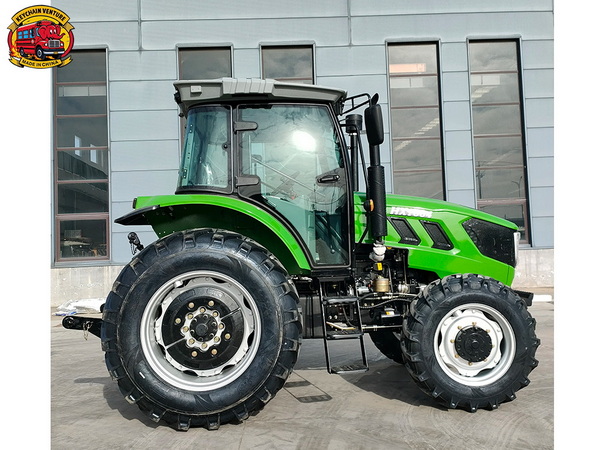
Buying a used tractor isn't just about negotiating price and securing financing. A comprehensive evaluation ensures you purchase equipment that will reliably serve your needs.
Identify precisely what jobs the tractor will perform, such as:
- Tilling and plowing
- Hauling materials
- Landscaping and mowing
- Loader work and snow removal
Selecting a tractor sized and equipped properly for your intended tasks prevents overpaying on unnecessary horsepower or attachments.
Before committing, conduct a rigorous inspection or hire a professional to assess:
- Engine condition: Look for any leaks, unusual smoke, and noise.
- Transmission and Hydraulics: Ensure smooth shifting and hydraulic operations.
- Tires and Brakes: Excessive wear or cracks affect safety and performance.
- Electrical system: Check batteries, lights, and wiring for any faults or wear.
A tractor with consistent maintenance records—oil changes, tune-ups, and repairs—indicates responsible use and longer potential lifespan.
Like mileage in vehicles, the number of hours indicates usage. High hours alone don't disqualify a tractor, but coupling that with poor upkeep often signals impending repairs.
Some dealers offer certified used tractors subject to thorough inspection, refurbishment, and limited warranties. This option adds security for buyers worried about hidden faults.
Based on condition and market research, negotiate price and financing terms that align with your budget and expectations.
To protect your investment, adhere to regular maintenance schedules and proper storage, especially in adverse weather conditions.
- Regularly check oil, coolant, and filters.
- Grease moving parts.
- Inspect tires and brakes frequently.
- Store the tractor in a sheltered area when not in use.
Routine maintenance extends the tractor's service life, enhances performance, and increases resale value.
The amount of money needed down to buy a used tractor largely depends on your credit profile, the tractor's condition and age, and lender requirements. Typically, down payments range from 5% to 40% of the purchase price. Financing options such as loans and leases provide flexible ways to manage both upfront costs and monthly payments. Careful evaluation of the tractor's mechanical condition, appropriate sizing, and maintenance history is critical for a successful purchase. Buyers who properly plan their down payment and financing approach can acquire a dependable used tractor that meets operational needs while maintaining financial health.
Most used tractor purchases require a down payment between 5% and 40%, influenced by factors like credit score, tractor age, and lender guidelines. Buyers with strong credit often pay closer to 5-10% down.[1][2]
Yes. Many lenders cater to buyers with less-than-perfect credit. Providing a larger down payment (20-30%) or a co-signer improves approval chances, though expect higher interest rates.[2][1]
Loan terms typically range from 1 year to 7 years (12 to 84 months) with interest rates varying between 1.9% and 15%, depending largely on credit worthiness and lender policies. Seasonal payment plans are also an option.[3][2]
Buying makes sense if you want ownership and plan to keep the tractor long-term. Leasing offers lower monthly payments and flexibility to upgrade but doesn't build ownership equity.[2]
Examine the engine, transmission, hydraulics, tires, brakes, and electrical systems carefully. Check maintenance records and hours of operation. Certified pre-owned tractors offer additional peace of mind.[5][6]
[1](https://noreastcapital.com/finance-second-hand-tractor/)
[2](https://noreastcapital.com/used-tractor-financing/)
[3](https://www.rdoequipment.com/resources/blogs/beginners-guide-to-financing-tractors-and-mowers)
[4](https://www.tractorforeveryone.com/knowledge-center/used-tractor-loan-easy-finance-for-your-second-hand-tractor-purchase)
[5](https://www.fbfs.com/learning-center/how-to-buy-a-used-tractor)
[6](https://www.prioritytractor.com/blog/a-comprehensive-guide-to-buying-a-used-tractor--98941)


