


Content Menu
● What Factors Affect the Price of a Used Tractor?
>> Tractor Age and Usage Hours
>> Horsepower and Technical Specifications
>> Condition and Maintenance History
>> Geographic Market and Demand
● Price Range of Used Tractors
● Advantages of Buying a Used Tractor
>> Reduced Depreciation Impact
>> Flexibility in Customization
● How to Evaluate a Used Tractor Before Buying
>> Visual and Structural Inspection
>> Engine and Transmission Performance
>> Operating Hours Verification
>> Test Drive and Performance Assessment
● Maintenance Tips to Extend the Life of a Used Tractor
● Enhancing Used Tractor Performance with Upgrades
>> 1. How much does a used tractor typically cost?
>> 2. What is the most important factor in determining a used tractor's price?
>> 3. Are tractors from popular brands more expensive when used?
>> 4. Is buying a used tractor risky?
>> 5. How can I extend the lifespan of a used tractor?
Buying a used tractor is a major decision for commercial vehicle owners, farmers, and fleet operators. The price of a used tractor can vary widely depending on factors such as brand, model, age, horsepower, condition, and market demand. Understanding these variables is crucial for making a good purchase, especially when you need reliable performance without paying the premium for a brand-new machine.
In this article, we will explore the different aspects that influence the cost of a used tractor, provide detailed insights on price ranges based on key features, and offer practical tips to get the best deal. As a leading commercial vehicle supplier, KeyChain Venture Co., Ltd. aims to help you make informed decisions in your tractor acquisitions, whether you operate locally in China or serve an international client base.
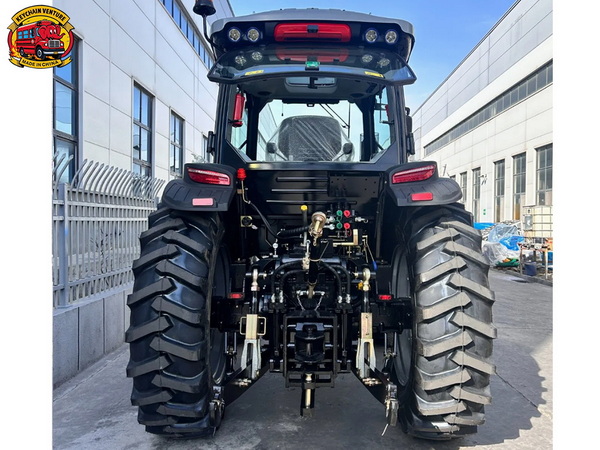
When evaluating how much a used tractor costs, it's important to recognize the elements that play a role in determining its market value. Understanding these factors will enable you to weigh the costs and benefits more effectively.
Not all used tractors are created equal. Well-known brands like John Deere, Caterpillar, Kubota, New Holland, and Case IH tend to hold value better and often command higher resale prices. Their widespread service networks and availability of spare parts make them preferable for buyers seeking longevity and reliability.
Each brand offers a variety of series and models tailored for different applications—from light-duty small tractors for orchard or landscaping tasks to heavy-duty tractors designed for large-scale commercial logistics, construction, or agricultural operations. The model and series you choose directly influence price, with flagship models usually costing more due to better features, power, and durability.
Machine age is often the first indicator buyers consider, but it's important to focus on both the age and the actual use. A tractor used for 5 years with moderate hours may be in better shape than a 3-year-old tractor used heavily every day. Usage hours—similar to mileage on a car—provide a more precise metric of wear and tear.
Low-hour tractors (those with under 2,000 hours of operation) tend to fetch better prices because they have more remaining service life and usually require less immediate maintenance. On the other hand, units with more than 5,000 hours often need significant servicing or part replacements such as engine rebuilds, transmission repairs, or hydraulic system overhauls.
Horsepower (HP) influences the tractor's capability and value. Higher horsepower tractors are able to handle more demanding jobs, such as towing larger trailers or operating heavier equipment. For commercial trucking and agricultural use, tractors typically range between 100 and 250 HP.
Other technical specifications that impact price include the transmission type (manual, automatic, or hydrostatic), whether the tractor is two-wheel or four-wheel drive, the presence of advanced safety features like rollover protection structures (ROPS), cabin comfort options like air conditioning and ergonomic controls, and newer technology integrations such as GPS guidance or telematics systems for fleet management.
The mechanical and cosmetic condition of a used tractor is paramount in determining price. Tractors that have been consistently serviced with detailed maintenance records often command premiums. Visible signs of neglect such as rust, body damage, worn tires or tracks, and oil or hydraulic fluid leaks lower value.
Mechanical integrity of engines, gearboxes, hydraulics, brakes, and electrical systems can make or break the deal. Buyers and sellers should agree to a proper pre-purchase inspection performed by a trusted technician. This evaluation can flag any potential costly repairs that would affect the machine's value.
Prices may vary regionally or internationally based on the strength of the agriculture, transportation, or construction sectors in particular areas. For example, in regions of China with intensive farming or heavy commercial trucking, demand for certain tractor sizes and configurations may be higher, pushing prices up.
When sourcing internationally, one should also consider additional import costs such as shipping, customs duties, and compliance modifications to meet local standards or emission regulations. All these factors influence the total price beyond the initial tractor cost.
Understanding broad price ranges can help you set realistic budget expectations before searching for a used tractor. The following guide outlines typical price bands based on horsepower and general condition, reflecting both domestic (Chinese) and international market trends relevant to KeyChain Venture's clients:
- Under 50 HP: $5,000 to $15,000
Small tractors in this range are ideal for light agricultural tasks, landscaping, or utility work. These machines are usually older or less powerful but cost-effective for niche purposes.
- 50 – 100 HP: $15,000 to $40,000
Medium-sized tractors with versatile use cases in small to mid-sized farming, hauling, or construction projects. Prices vary depending on features and condition.
- 100 – 250 HP: $40,000 to $90,000
Heavy-duty tractors for commercial applications requiring robust power and durability. Suitable for high volume hauling, long-distance travel, and heavy equipment operations.
- Over 250 HP: Starting from $90,000 and higher
Specialized, large-scale tractors used in specialized industrial or agricultural work. These often have high-end technological features and come with corresponding price tags.
While these figures provide a useful ballpark, individual unit prices are highly dependent on condition, service history, and market supply conditions.
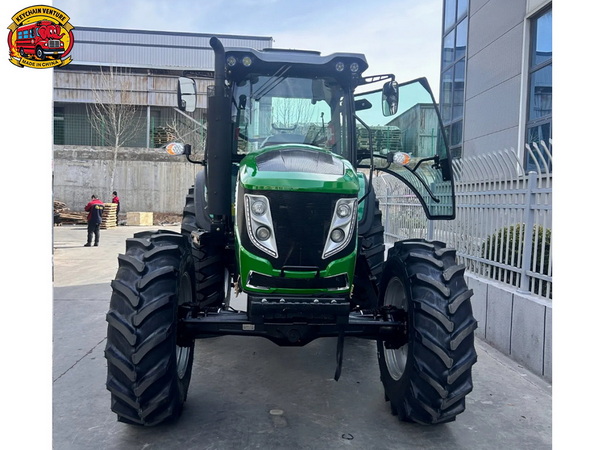
Investing in a used tractor has several distinct advantages, particularly for businesses or individuals needing substantial equipment capability without breaking the bank.
Used tractors generally offer a significant upfront saving compared to new units. This cost-effectiveness can enhance your return on investment (ROI), especially if the used tractor has been well maintained and has considerable service life left.
New tractor orders may involve long lead times due to manufacturing schedules or supply chain delays. Used tractors are often available for immediate purchase and deployment, ensuring your operations are not stalled.
New machines depreciate rapidly, sometimes as much as 15%-20% in the first year. Used tractors have already absorbed this initial depreciation, meaning their value tends to stabilize, posing a lower risk of further rapid loss in value.
Many used tractors come from proven, mature models that have undergone iterations of quality improvements. You can find models with well-documented reliability and access to aftermarket parts and service.
Used tractors may already have aftermarket modifications or the potential to be retrofitted with additional equipment to suit specific operational requirements, providing a low-cost route to customization.
A thorough evaluation reduces the risk of surprises after purchase. These steps are fundamental to making a sound buying decision.
Begin with a comprehensive external assessment. Check the chassis, frame, axles, and cabin for signs of cracks, rust, or repairs. Measure tire tread depth and look for uneven wear. Inspect hydraulic lines and connectors for leaks or damage.
Start the engine and listen for knocking, excessive smoke, or irregular noises. Check the color and smell of exhaust gases — unusually blue or black smoke may imply engine or fuel issues. Shift through all transmission gears smoothly and ensure the responsiveness of clutch and brakes.
A tractor with detailed logs of regular oil changes, filter replacements, coolant flushes, and other routine servicing is a safer bet. Records may also reveal recurring issues or major repairs which could influence value.
Confirm the accuracy of the hours meter, as this reflects the machine's real usage. Anomaly indicators include inconsistent wear signs or documentation mismatches which may suggest tampering.
If possible, operate the tractor under various loads and conditions. Pay attention to steering precision, braking effectiveness, and operator comfort. Verify if all controls and electrical systems (lights, horn, cabin instruments) function correctly.
Selecting a trustworthy seller is as important as the machine itself.
- Authorized Dealerships: Dealerships often offer certified pre-owned tractors with warranties and reconditioning. This option provides greater buyer protection but may come at a premium.
- Online Marketplaces: Digital platforms specializing in agricultural and commercial equipment facilitate broad searches and comparisons. However, exercise caution and demand proper documentation and inspection rights.
- Private Sellers: Farmers or companies may list equipment directly, potentially at lower prices. But buyer protection can be limited; thorough due diligence is essential.
- Equipment Auctions: Auctions sometimes provide opportunities to acquire quality used tractors at competitive prices, though buyers must act quickly and be prepared to inspect the equipment carefully.
Proper upkeep prolongs the service life of your used tractor, reduces downtime, and preserves value.
- Regular Oil and Filter Changes: Follow manufacturer guidelines for engine oil, hydraulic, and transmission fluids. Change filters at recommended intervals.
- Cooling System Checks: Inspect radiators, hoses, and coolant levels to avoid overheating and related damage.
- Tire and Track Inspection: Replace worn tires promptly and keep correct inflation pressure for safety and efficiency.
- Electrical System Care: Keep battery terminals clean and wiring insulated to prevent shorts or failures.
- Cleaning and Corrosion Prevention: Regular washing prevents dirt, grease, and debris build-up, reducing rust and mechanical wear.
Upgrades may be advisable depending on your operational needs and budget:
- GPS and Telematics: Enabling precise field operation, route tracking, and remote diagnostics for fleet operators.
- Engine Retrofits: Incorporation of cleaner emission technologies or performance enhancements to meet regulatory standards.
- Cabin Comfort: Adding ergonomic seats, climate control, and noise insulation to reduce operator fatigue.
- Safety Features: Upgrading lighting systems, rollover protection, and automated braking can improve site safety.
Each upgrade should be cost-justified by improved productivity or lower maintenance costs.
The cost of a used tractor depends on a range of factors including brand, horsepower, age, operating hours, condition, and market demand. While prices can vary widely, used tractors offer compelling value, especially when sourced wisely and maintained properly. For agricultural, construction, and commercial transport sectors, a used tractor represents an affordable yet powerful asset that can optimize operations and boost profitability.
At KeyChain Venture Co., Ltd., we are committed to providing clients with high-performance used tractor solutions backed by expert consultation. We help customers navigate the complexities of the international market to select machines that align with budget, technical, and operational requirements.
Investing time in detailed evaluation, understanding pricing dynamics, and adhering to diligent maintenance practices will ensure your used tractor serves you reliably for years to come.

Used tractor prices vary widely but generally fall between $5,000 for small or older units and upward of $90,000 for large, commercial-grade tractors. Pricing depends heavily on brand, horsepower, age, and condition.
The key factors are tractor model/brand, horsepower, age, total operating hours, and overall mechanical condition supported by maintenance history.
Yes, brands with strong reputations and service networks like John Deere and Caterpillar typically retain higher resale values due to demand, reliability, and ease of maintenance.
Buying used machinery always carries some risk. However, risks can be minimized with thorough inspections, reviewing accurate service records, verifying hours, and purchasing from reputable dealers or trusted sources.
Consistent maintenance — adhering to oil changes, filter replacements, checking cooling and hydraulic systems regularly, timely tire replacement, and proper cleaning — will significantly enhance longevity.


