
Views: 222 Author: Amanda Publish Time: 2025-10-03 Origin: Site


Content Menu
● Average Lifespan of a Tractor Battery
● Signs Your Tractor Battery Is Failing
● Factors Affecting Tractor Battery Life
● How to Prolong Your Tractor Battery Life
● How to Replace a Tractor Battery Safely
● Importance of Choosing the Right Battery for Your Tractor
● Signs It's Time to Upgrade Your Tractor Battery
● Frequently Asked Questions (FAQ)
>> 1. How long should a tractor battery last if well maintained?
>> 2. What causes a tractor battery to die prematurely?
>> 3. Can idle tractors damage batteries?
>> 4. How can I test if my tractor battery is still good?
>> 5. Are AGM batteries better than conventional tractor batteries?
Understanding the lifespan of a tractor battery is essential for every operator and business owner in the agricultural and commercial vehicle sectors. As a leading supplier of high-performance commercial vehicles, KeyChain Venture Co., Ltd. provides in-depth insights into this critical component. This article explores how long a tractor battery lasts, factors affecting its durability, maintenance tips, and more, ensuring your tractor operates efficiently all year round.
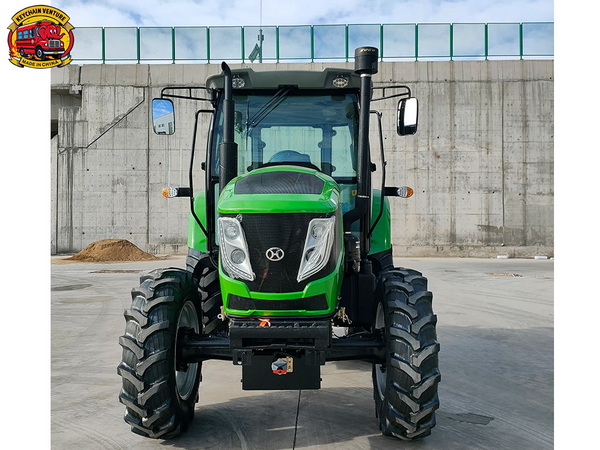
A tractor battery is a rechargeable power source designed specifically to start and operate tractors and heavy-duty commercial vehicles. It powers the engine during startup and supplies electricity to lights, sensors, and other electrical systems when the engine is off.
Typically, tractor batteries are robust and built to endure harsh conditions, including vibration, heavy loads, extreme temperatures, and repetitive cycles. This durability is vital given the demanding environments commercial and agricultural tractors face, including continuous heavy-duty usage and exposure to dirt, moisture, and temperature fluctuations.
On average, a typical tractor battery lasts about 3 to 5 years under normal operating conditions. However, this lifespan can vary widely based on several factors including usage frequency, maintenance, climate, and battery quality.
- Usage frequency: Tractors that run daily tend to have batteries that wear faster than those in occasional use because batteries undergo more discharge and recharge cycles.
- Climate & temperature: Cold weather reduces battery efficiency by thickening the battery's electrolyte and lowering capacity for a cranking burst, while high heat accelerates internal corrosion and evaporation of electrolyte fluids.
- Maintenance: Keeping terminals clean, checking for corrosion, and topping up electrolyte levels in flooded batteries can extend battery life appreciably.
- Battery type and quality: Premium batteries from trusted manufacturers and newer technologies often exhibit longer lifespans and enhanced performance under harsh conditions.
In practical terms, a well-maintained battery on a tractor used frequently in moderate climates can reach the upper limit of this average lifespan, whereas neglect and extreme environments can cut it significantly shorter.
Detecting early signs of battery failure is crucial to avoid unexpected breakdowns and downtime, especially in critical farming or commercial operations. Here are some common signs:
- Slow engine crank or difficulty starting: When the tractor's starter turns over slowly or hesitates, it often signals weakened battery capacity.
- Dimming lights and electrical malfunctions: Interior or instrument panel lights that dim intermittently or flicker can indicate declining battery output.
- Corrosion or leakage around terminals: White, ashy deposits or greenish build-up near battery terminals signal corrosion disrupting electrical connections.
- Swollen or cracked battery case: Physical damage or bulging of the battery casing can occur due to overheating or overcharging, which pose safety risks and indicate the battery needs to be replaced immediately.
- Age over 4 years without replacement: Batteries tend to degrade naturally over time, so age alone justifies more frequent checks or preemptive replacement.
Routine inspection as part of tractor maintenance schedules helps keep an eye on these indicators before failure impacts operations.
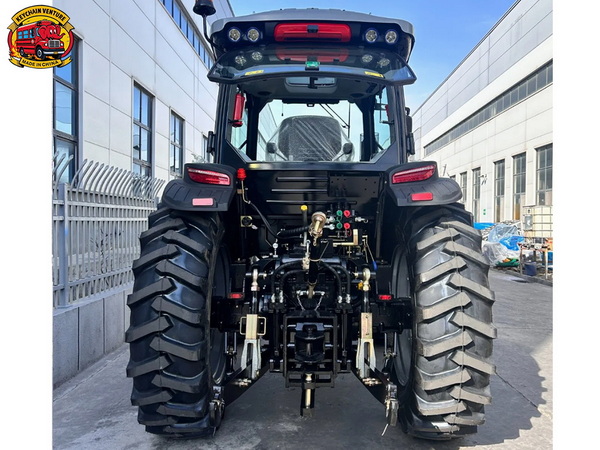
To extend the life of your tractor battery, it is essential to understand the external and internal factors that cause deterioration.
Extreme temperatures affect battery chemistry. Cold weather thickens the electrolyte solution, making it harder for batteries to supply the high cranking amps needed to start a diesel tractor engine. Conversely, hot weather evaporates battery fluids, accelerating corrosion and separation of internal plates. In tropical or desert climates, temperature control — such as shaded parking — can significantly improve battery longevity.
Tractors primarily used for short, intermittent periods can cause batteries to remain in a partially discharged state for long. This results in sulfation, a process where lead sulfate crystals build up on battery plates, reducing capacity and life expectancy. Frequent full discharge cycles, as might happen with spotty charging routines, are also damaging.
Poor maintenance leads to many preventable failures. Accumulated dirt and corrosion increase resistance at terminals, causing inefficient power delivery. Failing to check electrolyte levels in flooded batteries encourages plate exposure to air and permanent damage. Using correct charging equipment and procedures also prevents overcharging and overheating.
The technology underlying the battery affects performance and lifespan:
- Flooded Lead Acid: Traditional and cost-effective but requires regular maintenance and can leak.
- Absorbed Glass Mat (AGM): Sealed, maintenance-free, vibration-resistant, and handles deep discharge better, often preferred in modern tractors.
- Gel Cell: Uses thickened electrolyte gel for leak prevention and deep cycle capacity but requires careful charging to avoid damage.
When choosing a tractor battery, understanding these technology options and their applications helps optimize operational costs and reliability.
Proper care and routine maintenance measures can help you maximize battery lifespan and reduce replacement costs.
- Regular Testing: Check the battery's voltage monthly using a multimeter or battery tester. A fully charged 12-volt battery should read about 12.6 volts or higher.
- Clean Terminals: Use a battery brush or baking soda solution to remove corrosion and ensure a strong electrical connection.
- Secure Connections: Make sure cables and clamps are firmly attached to prevent power loss or sparking.
- Avoid Deep Discharges: Run the tractor regularly to keep the battery charged and avoid battery drain.
- Charge Correctly: Use a charger suited for your tractor's battery type. Smart chargers with automatic shutoff can prevent overcharging.
- Proper Storage: If storing the tractor for a season or longer, disconnect the battery and keep it in a cool, dry place. Regularly recharge during storage.
Replacing your tractor battery involves specific steps to ensure both safety and proper installation:
1. Turn off the tractor entirely and remove the ignition key.
2. Disconnect the negative (usually black) cable first to prevent shorts.
3. Then disconnect the positive (usually red) cable.
4. Carefully remove the old battery from its mounting tray.
5. Clean the battery tray and terminals using an appropriate cleaner.
6. Replace with a new battery matching the specifications of the old one.
7. Connect the positive cable first to the battery terminal.
8. Connect the negative cable afterward.
9. Test the tractor to make sure the battery and electrical systems operate correctly.
Following safety precautions reduces the risk of electric shock or damage.
Not all tractor batteries are made equal. Selecting the right battery involves considering the tractor's engine size, fuel type, electrical needs, and operating environment.
- Engine Size: Larger diesel engines require batteries with higher Cold Cranking Amps (CCA) for reliable starts.
- Fuel Type: Diesel engines generally demand more power from the battery compared to gasoline engines.
- Electrical Systems: Additional features like GPS, lighting systems, and HVAC in modern tractors can increase battery load.
- Climate: Cold climate users benefit from batteries engineered for extreme cold, while hot climate users should focus on batteries resistant to high temperatures.
Consulting with commercial vehicle suppliers like KeyChain Venture Co., Ltd. helps ensure selection of batteries that align perfectly with your tractor model and operational demands.
Aside from the typical failure symptoms, you may consider upgrading your tractor battery when:
- Your tractor is fitted with new electronics or enhanced lighting.
- You operate in harsher environments than before.
- You have extended your tractor's use hours requiring longer battery performance.
Upgrading to modern battery technologies such as AGM or Gel types can provide better reliability and less maintenance effort.
The lifespan of a tractor battery generally ranges between 3 to 7 years, significantly influenced by maintenance routines, operational conditions, battery quality, and technology. Proper care—such as regular testing, cleaning, correct charging, and timely replacements—can maximize this lifespan and reduce operational interruptions. Choosing the right battery suited to your tractor's specific needs further ensures dependable performance. At KeyChain Venture Co., Ltd., we prioritize providing superior commercial vehicle components and expert advice to keep your tractors running efficiently under all conditions.
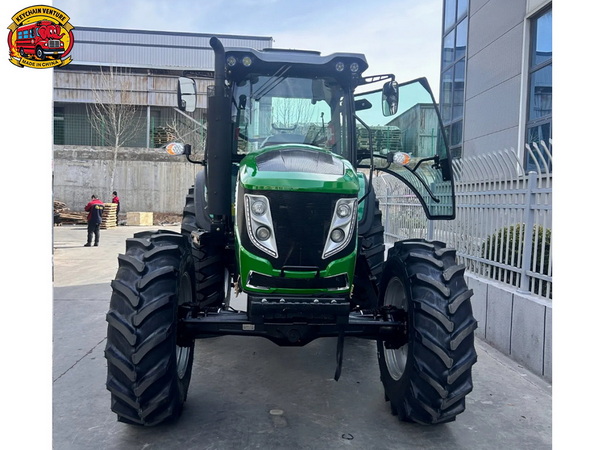
A well-maintained tractor battery typically lasts between 4 to 5 years. Some batteries, especially AGM and Gel types, can reach beyond 6 years when operated under ideal conditions and receiving proper care.
Premature battery failure often results from poor maintenance, exposure to extreme temperatures, sulfation due to incomplete charging cycles, excessive vibration, and faulty electrical systems causing over-discharge.
Yes, long periods of inactivity cause batteries to discharge and sulfation to occur. Battery capacity reduces, and it becomes more difficult to start the tractor once activity resumes.
Testing can be done using a multimeter, where a healthy battery reads about 12.6 volts when fully charged. A load tester or professional battery service can provide more detailed diagnostics including cranking amps.
AGM batteries are generally superior in offering maintenance-free operation, better vibration resistance, longer life, and improved performance in extreme conditions but have a higher upfront cost compared to conventional flooded batteries.


