
Views: 222 Author: Amanda Publish Time: 2025-08-24 Origin: Site


Content Menu
● Understanding Water Trucks: Purpose and Types
● Essential Preparations Before Filling a Water Truck
● Step-by-Step Guide: How to Fill a Water Truck
>> Step 1: Position the Truck Properly
>> Step 2: Access the Fill Port
>> Step 3: Connect the Fill Hose
>> Step 5: Monitor Water Level
>> Step 6: Disconnect Hose and Secure the Fill Port
>> Step 7: Perform a Final Safety Check
● Safety Precautions When Filling a Water Truck
● Maintaining Your Water Truck for Optimal Performance
● Common Challenges When Filling Water Trucks and How to Overcome Them
● Technological Advances Improving Water Truck Filling
● Best Practices for Efficient Water Truck Filling Operations
● Frequently Asked Questions (FAQs)
>> 1. How long does it typically take to fill a water truck?
>> 2. Can I fill a water truck from any water source?
>> 3. What are the safety risks when filling a water truck?
>> 4. How often should a water truck's tank be cleaned?
>> 5. Are there automated systems available to fill water trucks?
As a leading commercial vehicle supplier, KeyChain Venture Co., Ltd. understands the vital role water trucks play in a variety of industries. From construction sites and mining operations to firefighting and agricultural applications, water trucks provide essential mobile water supply solutions. This article provides a comprehensive guide on how to fill a water truck, covering essential tips, step-by-step instructions, safety measures, maintenance considerations, and best practices to maximize efficiency and extend truck longevity.
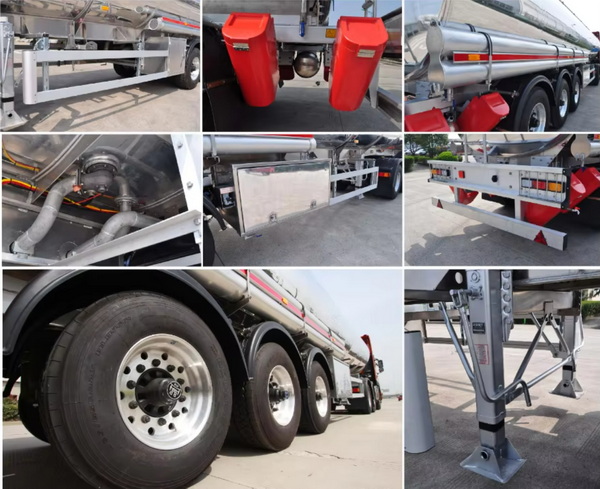
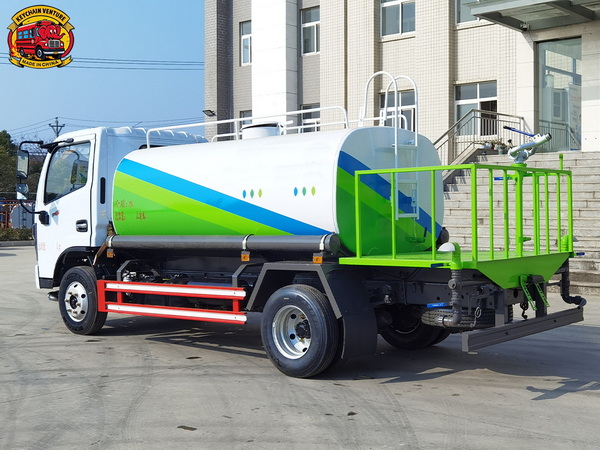
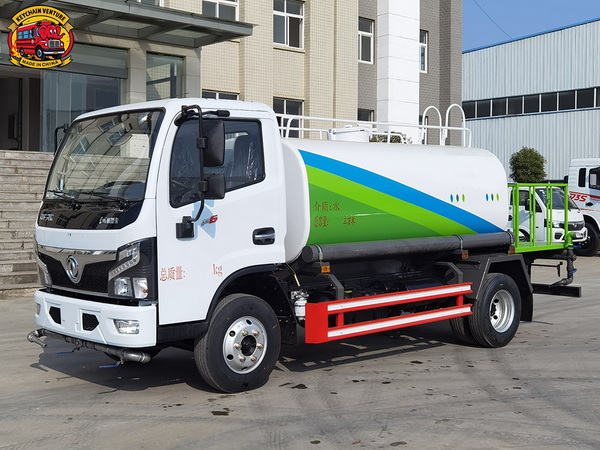
A water truck is a specialized vehicle designed to transport and distribute water where fixed water access is limited or unavailable. These trucks vary in size and capacity but generally feature a large tank, pumps, hoses, and spray systems. Common types include:
- Small to medium-sized water trucks used in landscaping or dust control
- Large heavy-duty water tankers used on highways or mining sites
- Firefighting water trucks equipped with high-pressure hoses and nozzles
Knowing the type and capacity of your water truck is crucial before filling the tank to avoid overfilling and damage.
Before filling a water truck, follow these preparatory steps to ensure a smooth and safe operation:
1. Inspect the truck tank: Check for leaks, cracks, or contamination. The tank should be clean and free from debris that may damage internal components or degrade water quality.
2. Identify the fill point: Most water trucks have specific fill ports or hatches located on the top or sides of the tank. Confirm the correct location and ensure all access points are functional and unobstructed.
3. Select a reliable water source: Ensure the water source is clean and the volume available suits the truck's tank capacity. Avoid using water with sediments or contaminants unless filtration is applied.
4. Use appropriate safety gear: Gloves, safety goggles, and safety footwear protect personnel during filling and protect against potential hazards such as splashes or slips.
5. Ensure communication: When multiple workers are involved, establish clear signals or communication methods to coordinate the filling process and prevent accidents.
Position the water truck close to the water source with ample space around for vehicle movement and operations. Level, stable ground is essential to avoid truck tipping or problems during filling. Use wheel chocks if necessary to prevent accidental movement.
Open the designated fill port or hatch securely and remove any protective covers or locks. If your truck has multiple compartments, make sure to fill the correct one in accordance with operational needs.
Attach a suitable hose to the water supply valve. The hose diameter should match the truck's inlet for optimal flow rate. Ensure the hose and connections are tight to avoid leaks and minimize water loss.
Turn on the water source gradually to start filling the tank. Control the water pressure to prevent splashing or overflow during the pumping process. Using a flow meter, if available, can help measure the volume accurately.
Keep an eye on the tank's water level indicator or gauge throughout the filling process. Filling should stop once the tank reaches full capacity to avoid spillage and prevent stress on the truck's suspension and tires.
Once filled, turn off the water supply, carefully disconnect the hose, and securely close and lock the fill port. Check the seals to prevent leaks while the truck is in motion.
Inspect the truck and the surrounding area for water spills or hazards. Clean up any spilled water to avoid slippery surfaces. Ensure all equipment and hoses are properly stowed and locked before departure.
- Wear Personal Protective Equipment (PPE): Gloves, goggles, and boots help prevent injuries caused by slips, splashes, or equipment handling.
- Ensure Stable Ground: Avoid filling on soft, uneven, or sloping surfaces that may cause instability.
- Avoid Overfilling: Overfilled tanks increase risks of water spillage and can damage the suspension, tires, and braking systems.
- Monitor Water Quality: Use filtered or tested water sources to prevent internal corrosion and ensure water suitability for the job.
- Beware of Electrical Hazards: Be cautious when using electric pumps or equipment; all wiring should be insulated and connections protected from water exposure.
- Follow Site Regulations: Confirm adherence to any environmental or operational regulations relating to water usage and truck operations on site.
Regular maintenance helps prolong the lifespan of your water truck and improves operational safety:
- Tank Cleaning: Periodically drain and clean the tank to remove sediments, biological growth, and rust. Use approved cleaning agents and follow safety guidelines during cleaning.
- Inspect Valves and Hoses: Frequently examine valves, hose connections, and fittings for leaks or damage, and replace defective parts promptly.
- Maintain Pump Systems: Lubricate, test, and service pumps, spray bars, and nozzles according to manufacturer recommendations to ensure consistent performance.
- Tire and Brake Checks: Regularly inspect tires for proper inflation and wear, and verify brake system effectiveness, especially when carrying heavy water loads.
- Protect Against Corrosion: If applicable, apply corrosion inhibitors inside the tank and keep the exterior paint in good condition to prevent rust.
Operating water trucks can present challenges, including:
- Slow Filling Speeds: Low water supply pressure or narrow hoses can limit flow. Increasing hose diameter, using high-pressure pumps, or positioning closer to the water source can alleviate slow filling.
- Contaminated Water Supplies: Untreated water can introduce debris or chemicals harmful to the truck's tank or equipment. Utilize filtration systems or ensure water source certifications for quality.
- Inaccessible Fill Ports: In some truck designs or site environments, the fill ports may be hard to reach. Installing remote fill adapters or using extension hoses can provide a practical solution.
- Water Spillage: Overflow or leaks cause water waste and can create unsafe surfaces. Automated shut-off valves, water level sensors, and vigilant operator training can reduce spillage risks.
- Mechanical Failures: Pumps, valves, or sensors may malfunction due to wear or environmental factors. Routine inspections and preventive maintenance mitigate breakdowns.
Modern water trucks incorporate advanced technology to enhance filling efficiency and safety:
- Automated Water Level Sensors: These sensors precisely measure fill levels to prevent overfilling and ensure accuracy.
- Remote-Controlled Fill Systems: Operators can remotely manage filling using wireless controls for safer and more convenient operation.
- Eco-Friendly Pumps: New pumping systems consume less power, produce less noise, and minimize environmental impact.
- Integrated GPS and Telematics: Real-time tracking of water usage, truck location, and fill status improves operational coordination and resource management.
- Smart Maintenance Alerts: Diagnostic tech can notify operators when maintenance is due, reducing downtime.
To optimize your water truck filling process, consider these best practices:
- Schedule filling during cooler parts of the day to reduce evaporation losses, especially in hot climates.
- Train operators thoroughly on equipment usage and safety procedures.
- Keep detailed logs of water source quality, tank maintenance, and filling operations.
- Maintain backup hoses and pumps at filling sites to avoid delays.
- Use standardized connectors and fittings to ensure compatibility and quick setup.
Filling a water truck is a critical yet carefully managed task that goes beyond simply adding water. By following detailed preparation, precise operational steps, and critical safety checks, operators ensure efficient water transport and prevent equipment damage. Routine maintenance and adopting technology advancements like automated sensors further enhance water truck utility and longevity. Whether utilized for construction, firefighting, agriculture, or mining, mastering the water truck filling process supports smooth operations and effective water supply management.
The filling time varies by tank size and water pressure. Small trucks may fill in under 10 minutes, while large tankers can require over one hour depending on flow rates.
It is best to use clean, filtered, or certified water sources to protect the truck tank and maintain water quality. Avoid contaminated or muddy water unless proper filtration is in place.
Potential risks include slips from water spillage, electrical hazards when using pumps, and physical injury from handling hoses. Wearing PPE and following safety procedures mitigates these risks.
Tank cleaning depends on usage and water quality but typically occurs every few months. More frequent cleaning is advisable when sediment or biological buildup is present.
Yes, advanced water trucks employ automated sensors, shut-off valves, and remote-control systems to improve accuracy, reduce human error, and enhance safety.


