
Views: 222 Author: Amanda Publish Time: 2025-08-29 Origin: Site


Content Menu
● Understanding Tractor Ownership and Titling
● What Is a Title for a Vehicle?
● Do Farm Tractors Have Titles?
>> Farm Tractors in the United States
● Why Some Farm Tractors Do Not Have Titles
● How to Prove Ownership of a Farm Tractor Without a Title
● Steps to Register or Title a Farm Tractor (Where Applicable)
● Potential Legal Issues When Buying a Used Tractor Without a Title
● The Role of Tractor VINs in Ownership and Registration
● How to Locate the Tractor VIN
● Additional Considerations for Commercial Use and Cross-Border Transactions
● Insurance and Liability Issues With Untitled Tractors
● Technology Advances Affecting Tractor Documentation
● Maintaining a Tractor Logbook and Equipment History
● Environmental and Safety Regulations Impacting Tractor Registration
● Frequently Asked Questions (FAQ)
>> 1. Does every farm tractor need a vehicle title?
>> 2. How can I prove ownership of a farm tractor without a title?
>> 3. Can I drive my farm tractor on public roads without registration?
>> 4. What is a VIN and why is it important for tractors?
>> 5. What should I check before buying a used tractor?
As a leading supplier of commercial vehicles, KeyChain Venture Co., Ltd. understands the importance of documentation when it comes to buying and selling equipment. One common question that arises among farmers, contractors, and equipment dealers is: Does a farm tractor have a title? This article will explore this question in detail and provide you with comprehensive information about farm tractor titling, registration requirements, and related legalities.
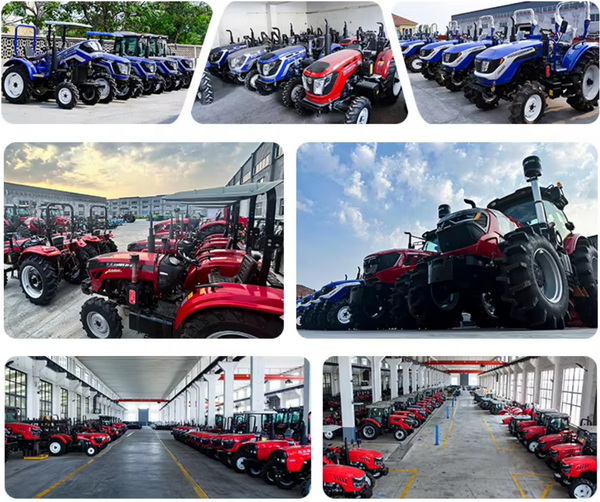
Tractors are vital machines used extensively in agriculture for tasks such as plowing, planting, harvesting, and hauling. Unlike passenger cars or commercial trucks, farm tractors often follow different regulations when it comes to titles and registration. Whether you are buying a new or used tractor, knowing how ownership documentation works is crucial.
A title is an official legal document issued by a government authority that proves ownership of a vehicle. It typically includes details like the owner's name, the vehicle identification number (VIN), make/model/year, and any liens or loans attached to the vehicle. For passenger cars and commercial trucks, a title is mandatory to establish ownership and facilitate transfers.
The answer depends largely on the country, state, or region. In many places, farm tractors do not require a traditional vehicle title. Instead, they may be registered differently or exempt from titling due to their off-road use and agricultural purpose.
In the U.S., the rules vary by state:
- Some states require a title for tractors only if they are to be driven on public roads regularly.
- Others exempt farm tractors entirely from titling but still require registration or permits for road use.
- If a tractor is classified as “off-highway equipment,” it may not have a title but might need a bill of sale or other documentation instead.
For example, states such as California and Texas have specific departments that handle farm tractor regulations differently from passenger vehicles. Before purchasing a farm tractor, it is essential to check with your local Department of Motor Vehicles (DMV) or equivalent agency.
In China, agricultural machinery including tractors often follows state-specific registration rules. While commercial vehicles typically require titles and registrations, many farm tractors are exempt from titling but must comply with agricultural equipment regulations and sometimes receive special certificates or permits.
The core reason farm tractors frequently do not require titles is due to their primary use:
- Off-road use: Tractors generally operate on private farmland, not on public highways.
- Special vehicle classification: Many laws classify tractors as “agricultural equipment” rather than road vehicles.
- Tax and regulatory exemptions: Some governments provide farmers with exemptions to ease operational costs and paperwork.
However, if tractors are used on public roads for transportation, hauling trailers, or other purposes beyond farm work, they often need registration, permits, or sometimes a title similar to trucks or cars.
Even if a farm tractor does not have a traditional title, ownership must be verified during transactions:
- Bill of Sale: This is the primary document that proves ownership transfer between buyer and seller.
- Manufacturer's Certificate of Origin (MCO): For new tractors, this document similar to a title shows the original sale from the manufacturer to the first owner.
- Registration Receipt or Permit: Some states issue special permits to operate tractors on roads, which can serve as ownership proof.
- Proof of Payment and Invoices: Retaining purchase receipts can supplement ownership claims.
If you are in a jurisdiction where farm tractors must be registered or titled, here is a typical process to follow:
1. Verify Local Laws: Check with your local vehicle authority or agricultural department to confirm requirements.
2. Prepare Documentation: Gather purchase receipts, MCO, bill of sale, and personal identification.
3. Submit Application: Complete the registration or title application and submit it along with fees.
4. Vehicle Inspection: Some regions require physical inspections to verify the tractor's VIN or compliance.
5. Receive Title/Registration: Upon approval, you will receive the official ownership documents.
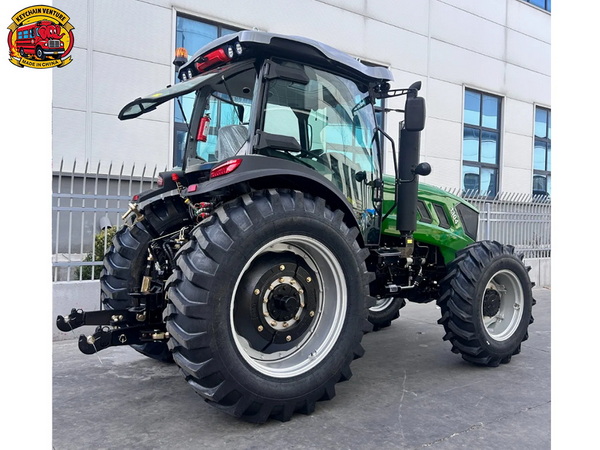
Buying farm tractors without proper proof of ownership can lead to problems:
- Hidden liens or debts attached to the tractor.
- Difficulty reselling or transferring ownership later.
- Legal disputes if original ownership is challenged.
Always ask for comprehensive documentation and, if possible, conduct a background check on the tractor's history before purchase.
The Vehicle Identification Number (VIN) is a unique code assigned to each tractor, usually stamped on the frame or engine. It is vital for ownership verification, theft prevention, and legal records, even if a formal title is not issued.
VINs can typically be found in places such as:
- On the tractor's dashboard or hood frame
- Near the engine block
- On the chassis or main frame
Understanding the VIN format and decoding it can help confirm the tractor's manufacturer, production year, and model, which further supports ownership verification and the tractor's authenticity.
For commercial operators and international buyers, understanding tractor titling and documentation becomes even more critical. When farm tractors are imported or exported, customs and border authorities often require proof of ownership, registration, or certification to clear shipments. Purchasing tractors from overseas suppliers or dealers emphasizes the need for clear documentation, including bills of sale, sales contracts, and, in some cases, certification of compliance with local safety and emission standards.
Furthermore, businesses using tractors for commercial hauling may face stricter registration and titling laws similar to commercial trucks, especially if the tractor operates frequently on public highways. This scenario often requires commercial vehicle registration, insurance, and sometimes DOT numbers.
Another important aspect often overlooked is insurance. Many insurance companies require titles or official registration documents before issuing coverage policies for tractors. Even if a title is not mandatory by law, having proper documentation facilitates acquiring liability and damage coverage. This protects farmers and operators against risks such as accidents, theft, or mechanical failure liability.
In cases where a tractor lacks titling due to its off-road classification, insurers may offer specialized farm equipment policies. Understanding how titles impact insurance eligibility and coverage types ensures continuous protection of investment and operations.
With the advent of modern agriculture technology, some jurisdictions have introduced digital or electronic titles and registrations for farm equipment, including tractors. These systems enhance record keeping, reduce paperwork, and simplify ownership transfer processes. Buyers and sellers should inquire about electronic records and online portals that can verify tractor ownership securely.
KeyChain Venture Co., Ltd. also encourages customers to keep digital copies of important tractor documents for easy retrieval and proof during audits or future sales.
Apart from formal legal documents, keeping a detailed tractor logbook or equipment history record can greatly aid in proving ownership and preserving the tractor's value. Recording maintenance, repairs, usage hours, and operator details establishes a trail that supports the tractor's condition and legitimacy.
This record is especially valuable when reselling the tractor or contracting services involving farm equipment. Buyers appreciate transparency, which can lead to better negotiation and trust in transactions.
Some regions require tractors to meet specific environmental or safety standards before they can be registered or titled. These rules may govern emissions, noise levels, lighting, and safety guards. Failure to meet such standards can restrict the tractor's use on public roads or even on certain farm operations.
Before purchasing or registering a tractor, verify if compliance testing or certification is necessary. This may involve inspections by authorized agencies or installation of approved parts.
Advice for First-Time Tractor Buyers on Titles and Registration
For individuals new to farm equipment purchasing, understanding the titling and registration process can seem daunting. Here are some best practices:
- Always request all available documentation from the seller, including bills of sale, receipts, certificates of origin, and any registration or permit papers.
- Research local laws explicitly related to tractors, agricultural equipment, and off-road vehicles.
- Consult with industry experts or legal advisors if unsure about ownership or transfer procedures.
- Obtain a vehicle history report if available to avoid buying stolen or encumbered tractors.
- Plan for registration and insurance early to prevent operational disruptions.
By following these guidelines, first-time buyers can ensure a smooth and secure tractor purchase experience.
While farm tractors are essential agricultural tools, they often exist in a legal niche where traditional vehicle titling does not apply as strictly as it does for passenger cars or trucks. Understanding whether a tractor needs a title depends largely on local laws, the tractor's use, and its classification. In many cases, farm tractors are exempt from formal titling but require other proof of ownership and may need registration or permits for road use.
KeyChain Venture Co., Ltd. advises buyers and sellers to carefully review all relevant documentation — including bills of sale, manufacturer certificates, VIN verification, and permits — to ensure clear ownership and compliance. Being informed reduces risks associated with liens, legal disputes, and insurance complications. For commercial use or cross-border transactions, additional certifications and registrations might be necessary.
In summary, owning and operating a farm tractor involves an understanding of complex but manageable legal frameworks. With proper documentation, expert advice, and adherence to regulations, farmers and operators can confidently purchase, maintain, and utilize tractors as critical assets in agricultural productivity.
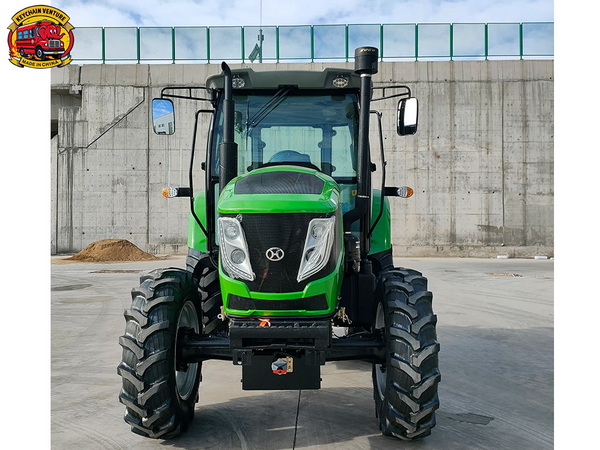
No, not all farm tractors require a vehicle title. The necessity varies depending on state or country regulations and whether the tractor is used on public roads.
Ownership is typically proven by a bill of sale, manufacturer's certificate of origin, registration receipt, and other purchase documents.
It depends on local laws. Many places require special permits or temporary registrations to operate a tractor on public roads safely and legally.
The Vehicle Identification Number (VIN) uniquely identifies each tractor, which helps in ownership verification, history checks, and theft prevention.
Verify the ownership documents, check for any liens or debts, inspect the tractor's condition, and consult local registration requirements.


