
Views: 222 Author: Amanda Publish Time: 2025-10-01 Origin: Site


Content Menu
● Can You Pull a Semi Trailer With a Pickup?
>> Pickup Truck Towing Capacity
>> Hitch Compatibility for Semi Trailers
● How to Prepare a Pickup to Pull a Semi Trailer
>> Install a Fifth-Wheel Hitch or Gooseneck Hitch
>> Upgrade Your Suspension and Tires
>> Use a Compatible Brake Controller and Air Brake System
>> Ensure Proper Electrical Connections
>> Confirm Weight Limits and Get Permits
● Challenges of Pulling a Semi Trailer with a Pickup
● Advantages of Using a Pickup to Pull a Semi Trailer
● Practical Tips for Pulling a Semi Trailer Safely
● Frequently Asked Questions (FAQ)
>> 1. Can any pickup truck tow a semi trailer?
>> 2. What hitch do I need to pull a semi trailer with a pickup?
>> 3. How do I handle the air brake system on a semi trailer when using a pickup?
>> 4. Are there weight limits when pulling a semi trailer with a pickup?
>> 5. Is it legal to pull a semi trailer with a pickup?
Pulling asemi trailerwith a pickup truck is a common question among truck enthusiasts, business owners, and DIY movers. The idea of using a pickup to tow large freight trailers is enticing but comes with many technical, safety, and legal considerations. This article will explore whether you can pull a semi trailer with a pickup truck, what equipment you need, the safety guidelines, and technical limitations.

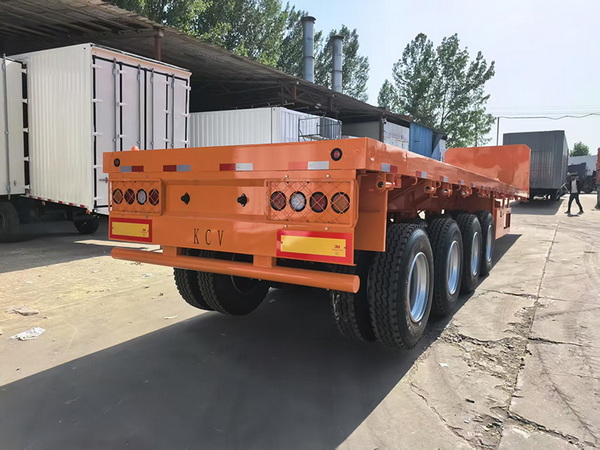
A semi trailer is a large transport trailer without a front axle, designed to be attached to a tractor unit, commonly known as a semi truck or tractor-trailer. Semi trailers are widely used in commercial trucking for moving freight efficiently over long distances. They vary in size, weight capacity, and usage, including flatbeds, refrigerated trailers, tanker trailers, and dry vans.
Semi trailers rely on the tractor unit not just for propulsion but also for steering and braking, which contributes to the complexity when attempting to tow them with a different vehicle type like a pickup truck.
In theory, some heavy-duty pickups can pull semi trailers, but it depends on several factors like the truck's towing capacity, braking system, hitch type, and state laws. Here are the key considerations:
Heavy-duty pickups such as Ford F-350/F-450, Chevrolet Silverado 3500HD, Ram 3500, and equivalent large pickups have higher towing capacities, often rated from 20,000 to over 35,000 pounds. This range can match the gross weight of some semi trailers, especially when unloaded or lightly loaded.
However, towing capacity alone doesn't guarantee safe operation. The gross combined weight rating (GCWR) — which is the maximum allowable weight for the truck, trailer, cargo, and passengers combined — must never be exceeded. Overloading can cause mechanical failure, loss of control, or accidents.
Standard pickup hitches (such as Class III or IV ball hitches) are not designed to tow semi trailers. Semi trailers require a specialized fifth-wheel hitch or gooseneck hitch installed in the truck bed for proper weight distribution and articulation.
A fifth-wheel hitch provides a robust mounting point over the rear axle, allowing the semi trailer's kingpin to connect securely and safely. This setup transfers the trailer's heavy tongue weight directly to the truck's frame and suspension, ensuring better control.
Semi trailers come equipped with air brake systems that require compatible brake controllers and power sources on the towing vehicle. Most pickups use electric brake controllers designed for trailers with electric brakes, which are incompatible with typical semi trailer air brakes without additional equipment.
Installing an air compressor, air tanks, and a compatible controller on the pickup is necessary to operate the trailer's air brake system. Some setups employ electric-over-air (E/O) brake systems, which translate electric braking signals from the truck into air pressure modulation for the trailer brakes.
Many states and countries regulate the types of trailers that pickup trucks can tow, including restrictions on trailer size, weight, and braking systems. Pulling a semi trailer without proper permits may lead to fines or hazards on the road.
Additionally, some jurisdictions require specific endorsements on your driver's license when towing trailers above certain weight classes, often differing from standard pickup towing regulations.
If you decide to tow a semi trailer with a pickup truck, here are the modifications and equipment upgrades you need to consider:
- A fifth-wheel hitch mounts in the bed of a pickup and is designed for heavy loads.
- Gooseneck hitches also mount in the truck bed and offer a tighter turning radius.
- Both hitches enable stable towing of semi trailers with proper weight distribution.
- Installation requires ensuring the truck bed and frame can support the hitch load without compromising structural integrity.
- Heavy-duty air suspensions or helper springs can handle the additional load.
- Suspension upgrades improve ride height, stability, and durability under heavy tongue loads.
- Tires must be rated for the increased weight to ensure safety and durability.
- Consider upgrading to commercial-grade tires with higher ply ratings designed for trailer towing.
- Semi trailers require air brakes, so an air compressor and compatible brake controller on the pickup truck are essential.
- Some trucks require retrofitting to add air brake capabilities.
- Electric-over-air conversions allow compatibility between electric brake controllers and air brake systems, but these systems add cost and complexity.
- Semi trailers have complex lighting and electrical needs, requiring multi-pin connectors compatible with the pickup.
- These connectors control turn signals, brake lights, marker lights, and power for auxiliary equipment.
- Proper wiring and connector maintenance are vital to prevent electrical failures on the road.
- Always check gross combination weight ratings (GCWR) for your pickup, including the towing setup.
- Obtain special permits if your trailer exceeds local limits.
- Be aware of bridge weight limits, road restrictions, and local ordinances governing oversized or overweight loads.
Despite possible modifications, several challenges remain:
- Weight Distribution: Semi trailers place significant downward force on the trailer's kingpin, which must be supported by the truck bed. This causes considerable stress on the truck's frame and suspension, which might not be designed for such loads in lighter pickups.
- Size and Maneuverability: Large semi trailers require experience to maneuver safely, especially for drivers used only to pickups. Backing a semi trailer is a skill requiring practice, as many pickup drivers are not accustomed to the articulation points.
- Brake System Differences: Integrating air brakes with standard pickup electric brake systems can be complex and costly. Poorly matched braking systems can lead to unsafe stopping distances.
- Legal and Insurance Risks: Liability may increase if towing equipment is not compliant or if driving conditions cause accidents. Insurance policies may not cover damages if non-approved trailers are towed.
- Cost and Maintenance: Upgrading pickups to safely and legally tow semi trailers involves substantial investment in suspension, hitch, brakes, and electrical systems — with ongoing maintenance requirements.
- Flexibility for hauling large trailers without a semi truck tractor.
- Cost savings when a full semi truck is not necessary.
- Convenience for businesses like farms, construction, and local hauling.
- Ability to utilize a pickup for multiple roles, enhancing its utility.
Some companies and individuals successfully use specially equipped pickups to tow semi trailers for light-duty freight, agricultural products, or equipment transport. Brands like Ford Super Duty and Ram 3500 are often modified to handle these loads by adding fifth-wheel hitches and air brake systems.
For example, some farms use pickups to tow grain trailers or livestock trailers with semi functionality over short distances. Small logistics companies may tow lightweight or partially loaded semi trailers on local routes using modified pickups, though they typically avoid highway use without specialized tractors.
- Always perform a pre-trip inspection on all trailer connections.
- Ensure tires on both truck and trailer are properly inflated.
- Drive below speed limits and allow for longer stopping distances.
- Learn turning and backing techniques specific to long trailers.
- Keep emergency brake connections and lights fully operational.
- Use wheel chocks and stabilize the trailer on inclines before uncoupling.
- Carry spare parts and tools for common trailer and brake repairs.
Pulling a semi trailer with a pickup truck is possible but requires careful preparation, the right equipment, and adherence to safety and legal standards. Heavy-duty pickups equipped with fifth-wheel or gooseneck hitches, air brake-compatible systems, and upgraded suspension can tow some types of semi trailers effectively. However, drivers must understand the technical and safety challenges involved. For businesses considering this option, investing in proper equipment and training is vital to ensure safe and efficient towing of semi trailers.

No. Only heavy-duty pickups with high towing capacity, typically 1-ton trucks and above, can tow semi trailers safely. Light-duty pickups are not designed for this purpose due to limitations in frame strength, suspension, and braking systems.
A fifth-wheel hitch or gooseneck hitch installed in the truck bed is required. Standard ball hitches are not suitable for semi trailers due to their size, weight, and articulation needs.
You need to install an air compressor and air brake controller compatible with your pickup truck, or use an electric-over-air brake conversion system that allows your vehicle to operate the trailer's air brakes safely.
Yes. Always check the manufacturer's towing specifications and local regulations to ensure the gross combination weight rating (GCWR) is not exceeded. Overloading can cause serious safety hazards and mechanical failures.
It depends on local and state laws. You may need special permits or licenses, especially if the trailer exceeds size or weight limits. It's important to consult local transportation authorities before towing a semi trailer with a pickup.


