


Content Menu
● CAN Bus fundamentals in commercial vehicles
● Core use cases across fleet operations
>> Powertrain and drivetrain coordination
>> Braking systems and safety subsystems
>> Suspension, steering, and chassis electronics
>> Diagnostics, maintenance, and telematics
>> Instrumentation, driver interfaces, and passenger amenities
>> Lighting, body electronics, and auxiliary systems
● Network design and deployment patterns
>> Diagnostics, toolability, and vendor support
● Benefits for buyers, operators, and the Used Bus market
>> Reliability and real-time control
>> Maintenance efficiency and uptime
>> Data-driven fleet optimization
>> Retrofit and modernization potential
● Security and cybersecurity considerations
● Procurement and integration guidance for international buyers
>> Fleet compatibility assessment
>> Diagnostics readiness and tooling
>> Security posture and firmware lifecycle
● Used Bus market considerations
>> Life expectancy and upgrade feasibility
>> Modernization options for aging fleets
● Practical best-practice checklist
● FAQ
>> 1) What is CAN Bus and why is it used in buses and heavy vehicles?
>> 2) How does CAN Bus assist maintenance and diagnostics for fleets?
>> 3) What should buyers look for in CAN Bus specifications when evaluating Used Bus listings?
>> 4) Are there security risks with CAN Bus, and how can they be mitigated?
>> 5) Can CAN Bus networks be retrofitted into older buses, and what challenges exist?
KeyChain Venture Co., Ltd. stands at the forefront of high-performance passenger vehicles and heavy-duty solutions for domestic and international customers. This article delves into the versatile roles of the Controller Area Network (CAN Bus) in commercial vehicles—buses and heavy trucks—highlighting how CAN Bus enables real-time communication among electronic control units (ECUs), strengthens diagnostics, and enhances fleet management. The discussion emphasizes practical implications for international buyers, fleet operators, and buyers in the Used Bus market, where compatibility, upgrade potential, and lifecycle costs are critical factors. Throughout, the narrative remains fluent and accessible, with emphasis on how CAN Bus underpins reliability, maintenance efficiency, and value retention in multi-brand inventories.
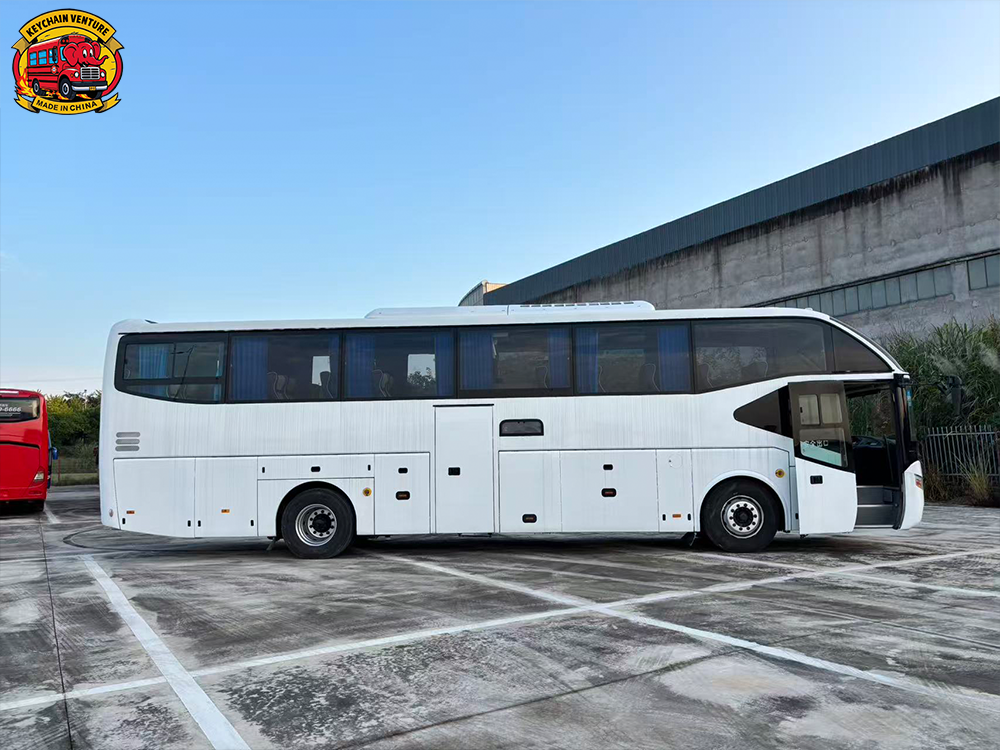
CAN Bus is a robust, fault-tolerant serial communication protocol designed to connect multiple ECUs across a vehicle. In buses and heavy trucks, CAN Bus networks link powertrain controls, braking systems, steering, suspension, lighting, climate, door modules, infotainment, and telematics. Over decades, CAN Bus has evolved to support higher data rates and advanced features, including CAN FD (Flexible Data Rate) for larger payloads and faster communication. For international buyers, understanding the basics helps assess vehicle specifications, retrofit feasibility, and aftersales support when evaluating Used Bus inventories or OEM configurations.
The following sections outline typical CAN Bus applications in buses and heavy trucks, with practical implications for procurement, maintenance, and operation in international markets.
CAN Bus carries messages among engine control units, transmission controllers, exhaust aftertreatment, and drivetrain actuators. Real-time data—such as RPM, temperatures, fuel flow, and torque—enable adaptive control, predictive maintenance, and integrated diagnostics. In the Used Bus segment, legacy ECUs may limit upgrade paths, so documenting ECU compatibility and available service tooling is essential for resale value and modernization potential.
Electronic braking systems, anti-lock braking, brake-by-wire, and stability control modules rely on CAN Bus for synchronized operation and rapid fault signaling. Robust CAN diagnostics shorten downtime by pinpointing faulty modules quickly, which is especially valuable for aging or high-mileage buses in international fleets seeking reliable performance on tight maintenance budgets.
Electronically controlled suspensions, steering assist, and load-management systems use CAN Bus to coordinate responses to road conditions and payload changes. For fleet operators, this translates into improved ride stability, safer handling, and higher uptime—key factors when operating in diverse geographies with varying road quality.
Onboard diagnostics and telematics rely on CAN Bus to transmit health data, fault codes, and usage metrics to cloud platforms and enterprise systems. This enables remote monitoring, proactive maintenance scheduling, and data-driven decisions about part replacement, route planning, and asset utilization—critical considerations for Used Bus assortments across regions.
CAN Bus supports driver dashboards, instrumentation, climate control, and infotainment; it also coordinates door control and passenger comfort features. A coherent CAN architecture reduces wiring complexity, simplifies diagnostics, and supports consistent user experiences across fleets comprising multiple brands or regions.
Exterior and interior lighting, mirrors, power windows, and other body electronics are often connected via CAN Bus. Standardized message sets facilitate aftersales servicing and ensure compatibility with aftermarket upgrades, which is particularly relevant for international buyers dealing with varied supply chains in the Used Bus market.
A well-planned CAN Bus architecture balances reliability, determinism, and future scalability. Key design considerations include topology, segmenting, data rate choices, and fault-handling strategies.
Most commercial vehicles use a trunk-and-spoke or linear CAN topology with segmentation to isolate critical subsystems from non-critical ones. Segmentation improves fault containment and reduces network load, which is advantageous when working with older Used Buses that may have limited bus bandwidth or aging linings.
CAN 2.0 provides reliable high-speed communication for critical subsystems, while CAN FD supports larger payloads and higher data rates for modern features like ADAS and advanced telematics. Selecting the appropriate mix ensures determinism for safety-critical messages and efficiency for non-critical data streams.
For international buyers, access to robust diagnostics tools and ongoing vendor support is vital. A well-documented CAN map, available service software, and SECURE firmware update pathways reduce maintenance risk and extend asset life in diverse markets.
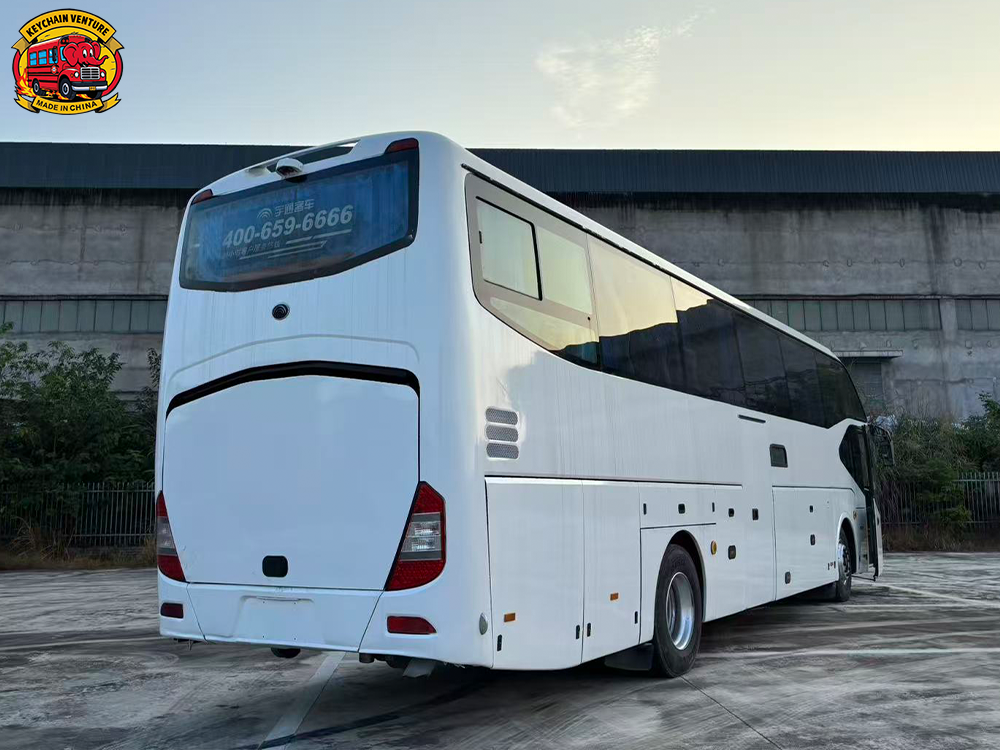
CAN Bus delivers tangible advantages across the vehicle lifecycle, from procurement to retirement.
CAN Bus's fault-tolerant design and deterministic messaging enable coordinated responses among subsystems, reducing the probability of cascading failures and enhancing overall safety and uptime—critical for urban and remote routes alike.
Centralized fault reporting and standardized messaging simplify diagnostics, lowering technician time and replacement part errors. For Used Bus purchasers, reliable diagnostics support faster turnaround times and clearer maintenance histories, boosting resale confidence.
Integrating CAN Bus data with telematics and fleet analytics provides visibility into vehicle health, utilization, and route efficiency. This supports proactive maintenance, better dispatch decisions, and optimized lifecycle costs for international buyers managing mixed fleets.
CAN Bus ecosystems are generally extensible, enabling retrofits such as new telematics modules, ADAS sensors, or upgraded gateway devices. This flexibility can unlock enhanced safety features, improved remote monitoring, and increased resale value for Used Bus inventories.
As CAN Bus networks expand and connect to external interfaces, security becomes essential. Implementing message authentication, access controls, segmentation, and regular firmware updates reduces exposure to tampering and cybersecurity threats. Buyers should verify vendor commitments to security patches and long-term support when evaluating vehicles.
When evaluating CAN Bus-equipped vehicles from KeyChain Venture Co., Ltd. or similar suppliers, consider the following practical steps to ensure smooth integration and long-term value.
Review how new or used buses align with existing telematics, maintenance software, and data architectures. Confirm CAN mappings, diagnostic ports, and data availability across different brands to minimize integration friction.
Validate the availability of compatible diagnostic tools, software updates, and certified technicians. Easy-access diagnostics reduce downtime, accelerate maintenance, and lower training costs for international teams.
Ask for details on firmware update policies, vulnerability management, and patch timelines. A clear security lifecycle reduces risk and helps maintain compliance with regional cybersecurity requirements.
In the Used Bus segment, buyers frequently evaluate component longevity, ECU compatibility, and the ability to source replacements. CAN Bus capability often dictates how easily a vehicle can be serviced, upgraded, or repurposed for new routes.
Request ECU inventories, CAN mappings, and service histories to assess remaining usefulness and upgrade potential. Knowledge of supported ECUs informs resale value and modernization plans.
Explore upgrading to CAN-enabled subsystems or adding telematics that access CAN data. Modernization can unlock improved diagnostics and route optimization without full vehicle replacement, increasing Used Bus appeal.
- Design CAN architectures with clear segmentation to protect critical subsystems.
- Insist on documented CAN mappings, diagnostic capabilities, and vendor-backed service tooling.
- Prioritize cybersecurity features and ongoing security support from suppliers.
- Consider retrofit opportunities to maximize value in the Used Bus market.
CAN Bus remains a cornerstone technology for modern buses and heavy trucks, delivering reliable real-time communication, streamlined diagnostics, and meaningful opportunities for fleet optimization. For international buyers and fleet operators, a solid grasp of CAN Bus deployments—paired with strong security, update policies, and accessible maintenance infrastructure—translates into lower total cost of ownership, higher uptime, and better long-term value in the Used Bus market. By selecting vehicles with transparent CAN mappings, scalable network designs, and committed vendor support, operators position themselves to meet evolving regional requirements and market dynamics.

-CAN Bus is a vehicle network standard that enables ECUs to communicate efficiently, supporting coordinated control, diagnostics, and data exchange across subsystems. This centralization reduces wiring complexity and improves reliability.[11]
-By providing centralized fault reporting and standardized messages, CAN Bus enables rapid fault isolation, easier part replacement, and smoother preventive maintenance planning.[12]
-Key factors include documented CAN mappings, availability of service tooling, support for CAN FD where applicable, and clear firmware update policies from the supplier.[13]
-Yes, risks include unauthorized access and message manipulation. Mitigations include segmentation, authentication on gateways, regular security updates, and strict access controls.[14]
-Retrofits are possible with appropriate gateways and compatible ECUs, but challenges include ECU compatibility, wiring changes, and ensuring that newer firmware remains supported by the vehicle's architecture.[15]
[1](https://www.cartrack.co.zw/can-bus-system-%E2%80%93-powerful-partnership-fleet-data-and-efficiency)
[2](https://en.wikipedia.org/wiki/CAN_bus)
[3](https://www.autopi.io/blog/can-bus-explained/)
[4](https://www.csselectronics.com/pages/can-bus-simple-intro-tutorial)
[5](https://www.me-systeme.de/docs/grundlagen/canbus/kb-canbus-en.pdf)
[6](https://www.lucas-nuelle.us/2768/apg/17855/CAN-bus.htm)
[7](https://blog.ansi.org/ansi/controller-area-network-can-standards-iso-11898/)
[8](https://kfz-aufgaben.de/can/Standardisation-of-CAN-buses.440.02087.html?L=1)
[9](https://encoder.co.uk/service/technical-information/canopen/)
[10](https://www.can-cia.org/can-knowledge/history-of-can-technology)
[11](https://dewesoft.com/blog/what-is-can-bus)
[12](https://actisense.com/news/what-is-can-bus-and-how-does-it-work/)
[13](https://www.cartrack.com.ph/can-bus-system-%E2%80%93-powerful-partnership-fleet-data-and-efficiency)
[14](https://www.icompario.com/en-gb/telematics/can-bus/)
[15](https://www.emqx.com/en/blog/can-bus-how-it-works-pros-and-cons)


