
Views: 222 Author: Amanda Publish Time: 2025-08-20 Origin: Site


Content Menu
● Understanding the Importance of Used Tractor Tires
>> Advantages of Buying Used Tractor Tires
● Top Places to Buy Used Tractor Tires
>> 1. Specialized Agricultural Tire Dealers
>> 3. Local Tractor Repair Shops and Salvage Yards
>> 4. Auction Sites for Agricultural Equipment
>> 5. Direct from Farmers and Agricultural Businesses
● Factors to Consider When Buying Used Tractor Tires
>> Tire Size and Compatibility
>> Previous Use and Load Conditions
● How to Inspect Used Tractor Tires Before Purchase
● Maintenance Tips for Used Tractor Tires
>> Maintaining Correct Tire Pressure
● Benefits of Purchasing Used Tractor Tires from a Leading Supplier Like KeyChain Venture Co., Ltd.
● FAQ
>> 1. How do I know if a used tractor tire is still good?
>> 2. Can used tractor tires handle heavy-duty farming tasks?
>> 3. Is it safer to buy used tractor tires online or from local sellers?
>> 4. What is the average lifespan of a used tractor tire?
>> 5. How should used tractor tires be stored when not in use?
When it comes to maintaining and optimizing your tractor's performance, choosing the right tires is crucial. However, brand-new tractor tires can be expensive, especially for commercial or agricultural businesses operating on a budget. This is where used tractor tires come into play. They offer a cost-effective solution without sacrificing quality — if you know where to find reliable sources. In this comprehensive guide, we will explore the best places to buy used tractor tires, factors to consider during purchase, tips to ensure you get durable and high-performance tires, and advice on maintaining them for extended life.
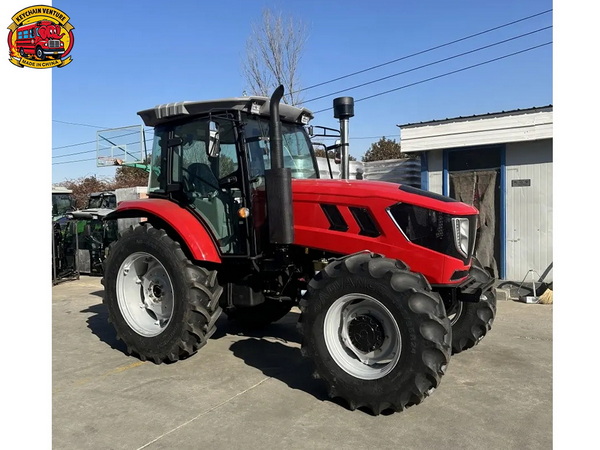
Tractor tires significantly affect traction, fuel efficiency, soil compaction, and overall stability of your agricultural or commercial vehicles. Buying used tractor tires can reduce upfront costs but requires smart sourcing to avoid premature wear or safety issues.
- Cost Savings: Used tires typically cost 30-50% less than new ones.
- Availability: Easier to find tires for discontinued or rare sizes.
- Sustainability: Reusing tires contributes to environmental protection by reducing waste.
- Less Depreciation: Used tires can be a better investment because they have already undergone the steep initial depreciation associated with new tires.
- Immediate Availability: Sometimes used tires can be sourced and delivered faster than new tires, especially when supply chains are disrupted.
Finding quality used tractor tires depends on knowledge of reputable suppliers and understanding where to look. These are some of the most reliable sources:
Dealerships focusing exclusively on agricultural tires are often the best place to start. They may certify or refurbish used tractor tires to meet quality standards. This provides an added layer of confidence that the tires are safe and durable. Such dealers often carry a wide range of sizes and brands, making it easier to find tires that match your tractor's specifications.
Online platforms such as eBay, Amazon, and niche agricultural equipment marketplaces provide convenient access to large inventories of used tractor tires. These platforms often allow specification filtering — including tire size, tread patterns, and brands — simplifying your search. Be sure to vet sellers thoroughly, review ratings and feedback, and understand the return policies before purchasing.
Local repair shops and salvage yards are often underrated but valuable sources. Repair shops occasionally sell used tires refurbished from trade-ins or less damaged tires from scrapped vehicles. Salvage yards might have tractor tires reclaimed from machinery dismantled for parts. These sources are ideal when you want to inspect tires physically before purchasing.
Auction sites specializing in farm equipment sometimes include tires either sold individually or along with tractors or machinery. Auctions can yield good deals but require experience in bidding and assessing product conditions. Note that auction purchases may have limited return options and warranties, so caution is advised.
Sometimes, local farms and agricultural businesses replace their tractor tires regularly and sell the used ones directly at competitive prices. Networking with farmers or agricultural co-ops through local trade shows, farming associations, or agricultural supply stores can expose you to such opportunities with honest wear and usage histories.
While buying used tractor tires can save money, several key considerations will help you avoid costly mistakes:
Ensuring the tire size matches your tractor's rim dimensions is essential. Typical tractor tire sizes use combinations like 18.4-38, 20.8R38, or 14.9-24, where numbers indicate tire width, aspect ratio, and rim diameter. Using incorrect sizes may cause improper fitment, reduce traction, or cause premature wear. Consult your tractor's manual or dealer specifications.
Tread wear affects traction and the tire's lifespan. Ideally, choose used tractor tires with at least 50% of tread remaining. Avoid tires with uneven wear patterns, bald spots, cut marks, or embedded debris, as these can compromise safety and durability. Tires with symmetrical, deep lugs generally have better traction.
Rubber compounds degrade over time, even without use, making tire age an important factor. Most tire manufacturers recommend replacing tires older than 6 to 8 years, regardless of tread. Check for the date of manufacture on the tire sidewall using the DOT (Department of Transportation) code — the last four digits indicate week and year (e.g., "3219" means the 32nd week of 2019). Avoid very old tires as they risk cracking and failure.
Try to get information on the history of the tires. Tires used under heavy loads, rough terrain, or poor maintenance might have hidden damage or accelerated wear. Tires that were primarily used on light-duty tasks generally last longer.
Professional dealers or suppliers often provide warranties or return policies on used tractor tires. Buying from sources that offer these guarantees reduces risk and increases buyer confidence, especially when purchasing online or sight unseen.
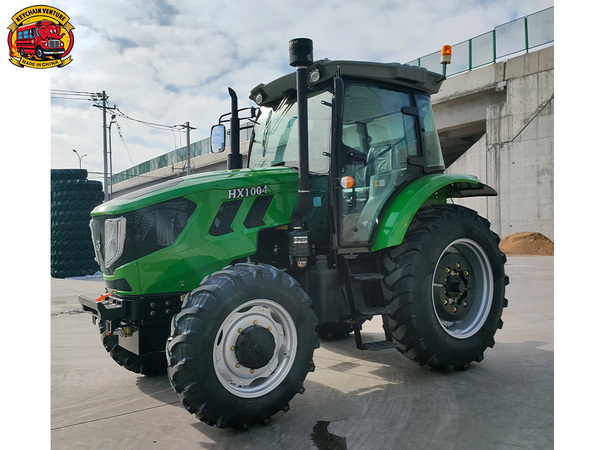
Ideally, you should physically inspect the tires or request detailed photos and videos from sellers. Here is a step-by-step inspection guide:
- Visual Inspection: Look for cracks, cuts, gouges, or embedded foreign objects in treads and sidewalls.
- Sidewall Integrity: Sidewalls bear significant loads; cracks or bulges here can indicate structural weakness and potential failure.
- Tread Depth Measurement: Use a tread depth gauge or ruler to estimate remaining tread. At least 8/32 inch remaining is advisable for used tires.
- Air Retention Test: Inflate the tire to the recommended pressure and observe if it holds air. Prolonged pressure loss is a red flag.
- Date of Manufacture: Confirm age on sidewall markings.
- Mounting Check: If possible, mount the tire on the intended rim to check for proper fit and any mounting issues.
Proper maintenance extends the lifespan and performance of used tractor tires, enhancing safety and reducing operating costs.
Regularly check and adjust tire pressure according to manufacturer recommendations. Underinflation causes excessive heat, uneven wear, and fuel inefficiency, while overinflation reduces traction and ride quality.
Rotating tires periodically (especially in tractors with multiple driven axles) helps achieve even wear, improving longevity.
Never exceed the tire's load capacity rating. Excessive loads cause tire stress and premature damage.
When tires are not mounted or in use, store them upright in cool, shaded areas free of chemicals, oils, and sunlight to prevent rubber degradation.
Remove mud, stones, or chemicals from tires to prevent damage and enable better visual inspections.
As a trusted commercial vehicle supplier based in China, KeyChain Venture Co., Ltd. offers a wide range of high-quality used tractor tires suitable for both domestic and international customers. We ensure all products meet stringent quality controls and provide expert technical guidance to select tires that maximize operational efficiency. Purchasing through a professional supplier like KeyChain Venture means access to guarantees on tire condition, expert customer support, and logistics capabilities that streamline procurement.
Buying used tractor tires is a practical and economical option for farmers and commercial vehicle operators. Whether you are sourcing from specialized dealers, online marketplaces, salvage yards, auctions, or direct from fellow farmers, understanding tire condition, compatibility, and care is essential. With careful inspection and the right vendor, used tractor tires can deliver long-lasting performance and excellent value without compromising safety. Make informed choices and maintain your investment through proper tire management to keep your tractor running efficiently for years to come.
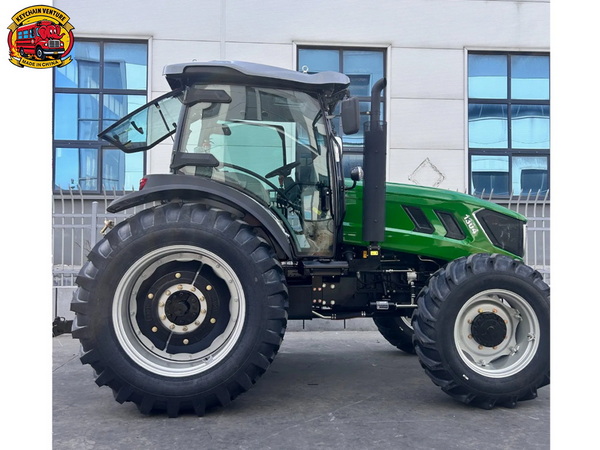
Look for sufficient tread depth (preferably over 50% remaining), check sidewalls for cracks or bulges, verify manufacturing dates (ideally less than 6 years old), and confirm the tire holds air without leaks. A professional inspection adds confidence.
If used tractor tires are relatively new, have minimal wear, no structural damage, and meet the load specifications, they can safely handle heavy workloads. Always verify load ratings and inspect regularly during use.
Local sellers allow physical inspection before purchase, reducing risks. However, trustworthy online platforms and certified dealers with transparent return policies can also be reliable. Researching sellers and requesting condition proofs is key.
Depending on their previous usage, condition at purchase, and maintenance, used tractor tires can last anywhere from 3 to 5 years or longer if properly cared for.
Store tires upright in a cool, dry, shaded environment away from direct sunlight, chemicals, and heat sources. Using tire racks or pallets prevents moisture accumulation and deformation.


