
Views: 222 Author: Amanda Publish Time: 2025-11-09 Origin: Site


Content Menu
● Early Beginnings and The Horse-Drawn Era
● The Beginning of Motorization and Industrial Innovation
● The Rise of a Modern Industry and Standardization
● The 1950s–1960s: Expansion, Safety, and Capacity
● The Color and Identity of School Buses
● Regulation, Safety, and the Modern Era
● The Global Adoption and the Used Bus Market
● Modern Innovations and The Path to Electrification
● Considerations for International Buyers and Partners
● A Practical Roadmap for Procurement and Deployment
● FAQs
>> 1. When did school buses first become motorized, and which company pioneered the shift?
>> 3. How have safety standards evolved in school bus design from the early days to today?
>> 4. What should buyers look for when purchasing a Used Bus for international markets?
School transportation has long been a cornerstone of educational access, community planning, and social equity. From humble, horse-drawn conveyances to purpose-built diesel and electric platforms, the evolution of the school bus mirrors broader shifts in engineering, road infrastructure, and public policy. Today, the Used Bus market plays a significant role for international buyers, OEMs, and wholesalers seeking reliable fleets, refurbished units, and cost-effective mobility solutions. This article traces the journey—from early “school cars” to modern, purpose-built school buses—highlighting milestones, design shifts, regulatory milestones, and ongoing opportunities for global procurement and collaboration.

In the late 19th century, rural districts faced formidable barriers to universal education. Transportation gaps meant long, arduous commutes for students. The first notable response combined wagon-like designs with wooden seating to ferry children to schools. These early “school cars” were adapted from existing wagons and carriages, typically with a single rear entry and modest capacity. They lacked standardized safety features, and their operations depended heavily on local road conditions and available animal traction before the advent of mechanized propulsion.
Key early drivers:
- Local school districts sought practical solutions to increasing enrollment without disproportionately increasing travel time.
- Early designs prioritized simplicity, with bench seating along the sides and a single loading point, often at the rear.
- The transportation concept laid the groundwork for later standardization of school transport as a public service.
The turn of the 20th century ushered a new era of motorized vehicles that would transform school transport. In the United States, manufacturers began converting horse-drawn designs into motorized forms, leading to the first motorized school vehicles in the 1910s and 1910s. These early motorized school cars replaced horse-drawn methods, offering greater reliability, speed, and capacity.
Significant milestones:
- 1914 saw Wayne Works of Richmond, Indiana, produce an early motorized “school car,” a hybrid between automotive and trolley-influenced design concepts.
- The shift to motorization accelerated the adoption of closed, all-steel bodies in later decades, contributing to safer, more durable vehicles.
- The adoption of motorized designs catalyzed broader investment in school transportation infrastructure and funding.
In the 1920s and 1930s, the school bus industry began to take a more formal shape, with dedicated manufacturers and standardized practices emerging. Notable figures and firms contributed to safety-minded design, structural integrity, and more efficient loading/unloading processes. This era laid the foundation for the modern school bus industry, including better seating arrangements, standardized dimensions, and the adoption of durable materials suited to daily school-use cycles.
Important developments:
- The modern school bus concept gained traction as districts sought safer and more dependable means of transporting larger student cohorts.
- All-steel bodies became more common, improving crashworthiness and longevity under daily use.
- Public education funding and school transportation programs increasingly supported broader geographic reach for students.
Postwar population growth and urbanization spurred demand for larger, more capable school buses. Manufacturers responded with heavier-duty chassis, longer bodies, and additional seating rows. The 1950s also witnessed the introduction of diesel engines and the first tandem-axle configurations, enabling higher passenger capacity and better durability on varied road surfaces.
Key outcomes:
- Significant increases in seating capacity allowed by longer bodies and more robust chassis.
- Diesel engines improved efficiency and torque characteristics for rural routes and hilly terrain.
- Safety-conscious design evolved through reinforced structures and standardized emergency exits, contributing to a more resilient fleet.
The iconic yellow color of school buses is widely recognized today, but its adoption was driven by visibility and safety research. High-visibility colors reduce risk on busy roadways and improve caregiver and driver recognition. The color choice became a branding element across jurisdictions, reinforcing the school bus as a symbol of student safety and reliability.
Regulatory frameworks governing school buses have continually evolved, emphasizing passenger safety, accessibility, and environmental considerations. Standards cover crashworthiness, evacuation procedures, seating arrangements, emergency exits, seating material, and accessibility for students with disabilities. This regulation-driven evolution influenced both design choices and manufacturing practices.
Implications for buyers:
- Regulations shape resale value and compliance requirements for Used Bus fleets.
- Buyers should verify that vehicles meet local standards and have up-to-date safety features.
- For international buyers, ensuring conformity with homologation and local safety standards is critical for successful deployment.
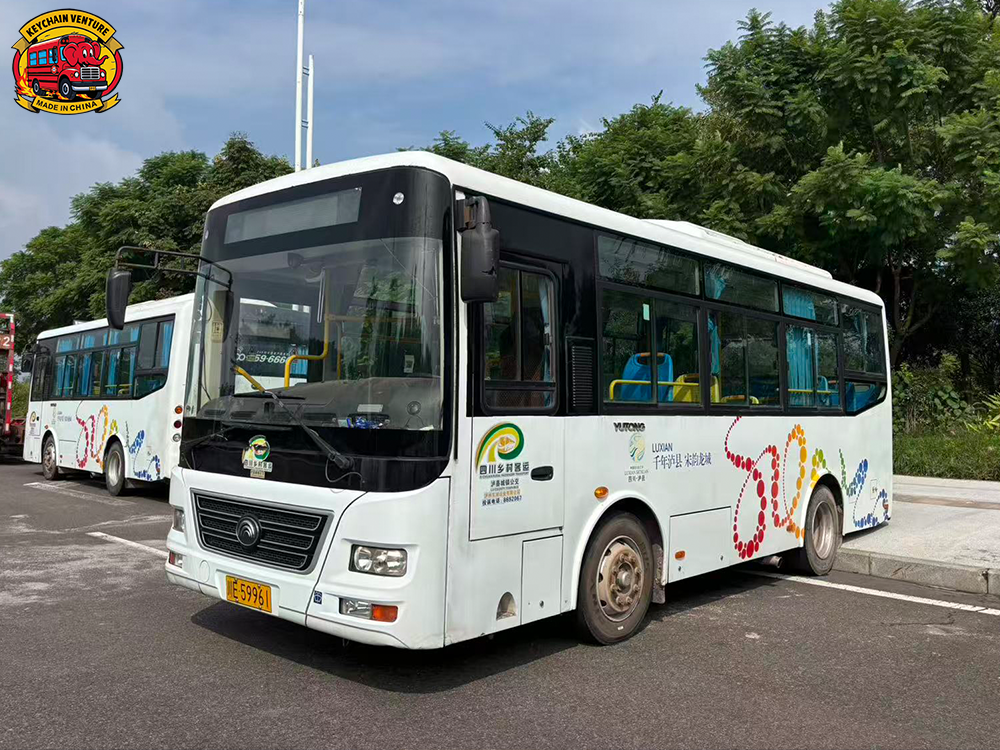
While the United States and Canada developed early school transportation ecosystems, many countries embraced the model in the latter half of the 20th century and into the present. The proliferation of bus fleets created a thriving market for used and refurbished buses, offering cost-effective options for schools, vocational institutions, and private operators. The Used Bus market is particularly appealing to international buyers seeking reliable platforms for pupil transport, vocational training fleets, or mobile service units.
Considerations for global buyers:
- Vehicle condition and maintenance history are paramount; a well-documented service record adds substantial value.
- Parts availability and local service networks influence lifecycle costs and downtime.
- After-sales support, including training and maintenance programs, improves total cost of ownership.
In recent decades, the school bus industry has integrated advanced safety features, ergonomic seating, and energy-efficient propulsion systems. More districts are piloting electric and hybrid platforms to reduce emissions and operational costs. This shift toward electrification blends with ongoing efforts to improve safety, accessibility, and reliability in both new and Used Bus fleets.
Practical impact for buyers:
- Electric and hybrid used buses may command a premium in certain markets due to long-term fuel savings and environmental considerations.
- Refurbishment options for Used Bus fleets can extend life cycles and provide cost-effective alternatives to new purchases.
- Compliance with local charging infrastructure and maintenance capabilities is essential for successful deployment.
When evaluating a Used Bus fleet for import or resale, buyers should assess:
- Mechanical condition: engine, transmission, suspension, braking systems, and electricals.
- Interior condition: seating wear, flooring, and safety equipment functionality.
- Structural integrity: frame corrosion, rust, and body integrity.
- Regulatory compliance: local safety codes, emissions standards, and vehicle homologations.
- Support networks: availability of parts, skilled technicians, and after-sales services in the destination country.
For international purchasers and partners, a practical procurement pathway includes:
- Due diligence: obtain maintenance logs, inspection reports, and incident history.
- Assessment and testing: arrange independent mechanical inspections and, where feasible, sea/land transport-ready checks.
- Valuation and negotiation: base pricing on mileage, wear, and refurbishment needs; negotiate bulk purchase discounts for Used Bus fleets.
- Refurbishment planning: plan interior upgrades, safety equipment checks, and potential migrations to alternative fuel platforms if desired.
- Logistics and regulatory clearance: align with import duties, registration, and compliance protocols in the destination market.
- After-sales and training: secure training for local technicians and access to spare parts and service networks.
The evolution of school buses—from horse-drawn “school cars” to modern, purpose-built fleets—reflects a continual pursuit of safety, reliability, and accessibility in public transportation for students. The Used Bus market plays a pivotal role in global mobility, offering cost-effective access to well-maintained fleets for schools, training centers, and commercial operators around the world. For international buyers and suppliers, a careful approach to due diligence, regulatory compliance, and refurbishment can unlock substantial value, enabling efficient and safe pupil transport across borders. By aligning procurement strategies with evolving standards and embracing refurbished Used Bus solutions, stakeholders can achieve sustainable operations while expanding opportunities for growth and collaboration in the global commercial-vehicle ecosystem.
The first motorized school bus emerged in the 1910s–1920s with early pioneers like Wayne Works and Albert Luce Sr., who helped transition from horse-drawn “school cars” to motorized vehicles.
High visibility in daylight and adverse weather, along with standardized signaling, drove the adoption of yellow as the standard color, signaling safety and reliability to parents, students, and motorists.
Safety standards have evolved from basic protective framing and basic exits to rigorous crashworthiness, standardized seating, emergency egress, accessibility, and advanced electronic safety systems in modern fleets.
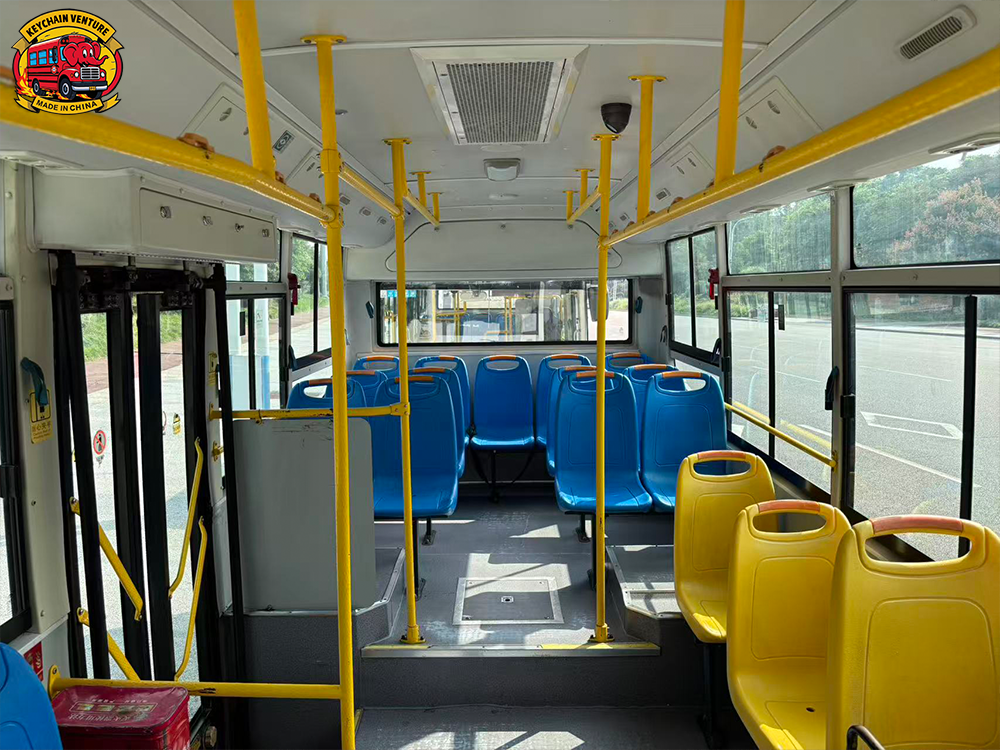
Buyers should assess mechanical reliability, maintenance history, safety equipment, interior condition, and compliance with local regulations, plus support networks for parts and service in the destination region.
Ensure verifiable maintenance records, confirm local homologation or conformity, establish access to spare parts and trained technicians, and arrange post-sale support or refit options with a trusted partner.
[1](https://en.wikipedia.org/wiki/School_bus)
[2](https://www.transfinder.com/resources/how-school-bus-design-has-evolved-over-the-years)
[3](https://www.busboss.com/blog/history-of-school-buses)
[4](https://www.smithsonianmag.com/innovation/history-school-bus-180980554/)
[5](https://www.edgarsnyder.com/resources/history-of-the-school-bus)
[6](https://www.trackschoolbus.com/school-bus-history/)
[7](https://nasdpts.org/history-of-ncst)
[8](https://www.thehenryford.org/collections-and-research/digital-collections/expert-sets/104893/)
[9](https://www.schoolbusfleet.com/10010920/decade-by-decade-50-years-of-pupil-transportation-history)


