
Views: 222 Author: Amanda Publish Time: 2025-09-23 Origin: Site


Content Menu
● Understanding the Basics of Tractor Size
● Recommended Tractor Horsepower for 5 Acres
● Matching Tractor Size to Your Tasks
>> Mowing and Grounds Maintenance
>> Tillage and Soil Preparation
>> Hauling and Material Handling
● Tractor Drive and Transmission Considerations
>> Two-Wheel Drive (2WD) vs Four-Wheel Drive (4WD)
● Terrain and Soil Impact on Tractor Choice
● Economic and Maintenance Considerations
>> Initial Purchase vs Long-Term Costs
>> Resale Value
● Implements and Attachments Compatibility
● Safety and Comfort Features to Consider
● Financing and Warranty Options
● FAQs
>> 1. What is the minimum horsepower tractor needed for a 5-acre lawn and garden?
>> 2. Can I use a 4WD tractor for a flat 5-acre plot?
>> 3. What tractor implements are essential for managing 5 acres?
>> 4. How often should I maintain my tractor if I use it regularly on 5 acres?
>> 5. Is it better to buy a new or used tractor for small acreage?
When managing a 5-acre plot of land, selecting the right tractor size is crucial for efficiency, versatility, and economic use. The ideal tractor size depends on the types of tasks you plan to perform, the terrain, soil conditions, and the implements you may use. This comprehensive guide will help you determine the best tractor for managing 5 acres, covering tractor sizing, horsepower recommendations, practical tips, and maintenance considerations to optimize your investment.
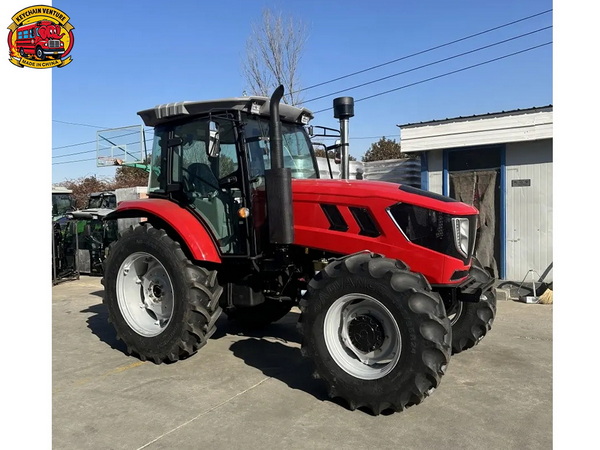
Tractor "size" often refers to its horsepower (HP), weight, and versatility. For 5 acres, it's important to have enough power to handle tasks like tilling, mowing, hauling, and potentially light construction or landscaping work.
- Horsepower (HP): A measure of the tractor's pulling and lifting power. More horsepower means it can handle larger implements or tougher jobs.
- Weight: Heavier tractors provide better traction but can cause soil compaction if not managed properly.
- Drive Type: Two-Wheel Drive (2WD) or Four-Wheel Drive (4WD) affects maneuverability and adaptability on different terrain.
Understanding these components helps in matching a tractor to your specific acreage and workload requirements.
For small to medium-sized acreage such as 5 acres, your ideal tractor size generally ranges between 20 to 50 HP. This range offers sufficient power for most common farm duties without being oversized or uneconomical.
- 20-25 HP: Ideal for light maintenance such as mowing, landscaping, and small garden tilling.
- 30-40 HP: Suitable for heavier tillage, mid-sized implements, bale handling, and moderate hauling.
- 45-50 HP: Capable of heavier fieldwork, including plowing, large mowing decks, and hauling trailers.
Choosing the right horsepower ensures your tractor won't struggle under load or be inefficient for light tasks.
Different tasks require varying power and accessories. Here's a breakdown of common uses on 5 acres and their general tractor requirements:
For mowing lawns, maintaining pastures, or keeping driveways clear, compact tractors with 20 to 30 HP are effective. Tractor-mounted mowers or finish mowers can easily cover your 5-acre landscape without overstressing the machine.
If you plan to till your land for a garden or small crops, a tractor in the 30 to 40 HP range will pull plows, disk harrows, and rotary tillers more effectively. These implements need substantial power to break and loosen soil.
Tasks like hauling firewood, transporting construction materials, or moving hay require adequate towing and lifting capacity. Tractors rated 35 HP or more with optional front-end loaders or trailers will improve efficiency.
If you foresee tasks like snow removal, landscaping, or light construction, tractors with 40 HP or higher can handle attachments such as snow blowers, backhoes, or pallet forks that often demand stronger hydraulic systems.
- 2WD tractors are generally less expensive, lighter, and easier to maintain. They perform well on flat, well-drained lands.
- 4WD tractors provide superior traction on steep, muddy, or uneven terrain, which is advantageous if your 5-acre property has slopes or challenging soil conditions. 4WD models are more versatile but tend to cost more initially and require additional maintenance.
- Hydrostatic transmissions use fluid pressure to enable smooth and variable speed changes without shifting gears. These are user-friendly, ideal for those less experienced with tractors or frequent speed adjustments.
- Manual or gear-driven transmissions demand more operator skill but typically deliver better fuel efficiency and control, suited for experienced users doing heavy-duty work.
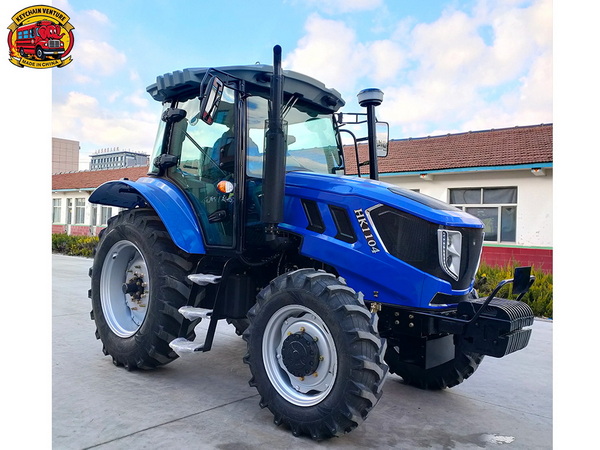
The geography and soil type of your land affect traction, soil compaction, and implement performance.
- Hilly or uneven terrain benefits from 4WD models with adjustable tire pressure and weight distribution options.
- Loose, sandy, or silty soils require careful tire selection to reduce compaction, such as wide or flotation tires.
- Wet, clayey soils call for earth-friendly tires and potentially lighter tractors to minimize damage.
Proper tractor choice considering soil and terrain ensures sustainable land management and prevents costly repairs or downtime.
While smaller tractors (20-30 HP) are more affordable upfront, they might take longer to complete heavy tasks, potentially increasing fuel consumption and labor hours. Larger tractors cost more but may finish jobs faster and with less wear.
Tractors with appropriate horsepower tend to perform efficiently when not overburdened. Undersized tractors burn extra fuel and suffer mechanical strain, while oversized tractors consume more fuel even during light workloads.
Frequent maintenance—including oil and filter changes, tire inspections, and hydraulic checks—is critical to extend tractor life. Choose reliable brands with local dealer support and easily available spare parts for timely repairs.
Some manufacturers and models retain higher resale values, valuable if you consider upgrading or expanding your farm in the future.
Your tractor should support the implements necessary for your farming or landscaping activities. Common implements for 5-acre operations include:
- Rotary tillers and plows: For preparing soil before planting.
- Front-end loaders: For moving soil, mulch, or debris.
- Mowers and brush cutters: For maintaining pastures and lawns.
- Trailers and hauling equipment: For transporting materials.
Ensure your tractor's hydraulic system, PTO (Power Take-Off), and lifting capacities match these implements' requirements.
Operating a tractor safely is paramount, especially for small acreage owners who may be less experienced.
- Roll-Over Protective Structures (ROPS): A necessary safety feature to protect the operator in case of a tractor rollover.
- Ergonomic controls and comfortable seating: Useful for reducing operator fatigue during longer working hours.
- Visibility and lighting: Important if work extends into early morning or late evening hours.
- Easy access and operation: Hydrostatic transmissions and power steering simplify handling.
Incorporating modern safety and convenience features can improve productivity and reduce risk.
Many dealers offer attractive financing packages for new tractors that can make higher horsepower models more accessible. Also, check for warranties covering engine parts, transmission, and hydraulics, as these may save you money in case of defects or early failures.
Choosing the right tractor size for your 5-acre plot depends primarily on the type of work you intend to perform and the implements you plan to use. For these small to medium-sized plots, tractors in the 20 to 50 HP range meet a wide array of tasks efficiently. Smaller tractors (20-30 HP) are excellent for mowing, light tillage, and grounds maintenance, while those closer to 40-50 HP can manage plowing, hauling, and heavier fieldwork.
Terrain, soil type, and economic factors like fuel use and maintenance costs also influence your decision. Lastly, prioritize safety, comfort, and implement compatibility to ensure your tractor serves you well for many years.
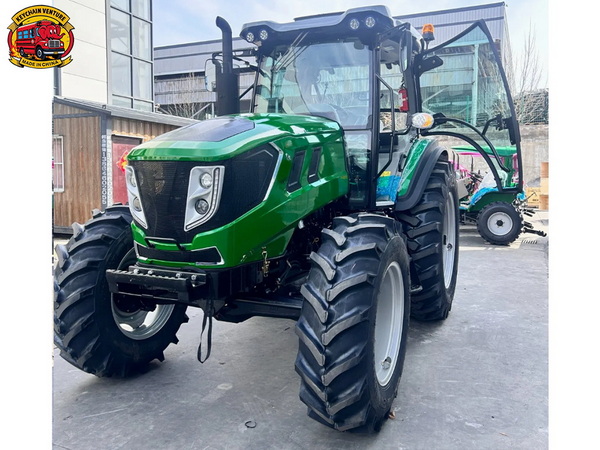
A tractor with 20-25 HP is generally sufficient for basic mowing, gardening, and grounds maintenance on 5 acres.
While 4WD is not mandatory on flat terrain, it offers better traction and improved handling, particularly in wet or slippery conditions.
Common implements include rotary tillers, mowers, front-end loaders, and trailers, allowing you to perform soil preparation, mowing, hauling, and material handling efficiently.
Maintenance schedules vary by model but typically include oil changes every 100 hours, routine inspection of filters, tires, hydraulic fluid levels, and greasing moving components.
Used tractors can provide value if thoroughly inspected for mechanical condition; however, new tractors offer warranties, modern features, and less risk of unexpected breakdowns.


