
Views: 222 Author: Amanda Publish Time: 2025-08-29 Origin: Site


Content Menu
● Understanding Tractor Basics for Small Acreage
● Why Choosing the Right Tractor Size Matters for 10 Acres
● Determining Tractor Horsepower for 10 Acres
● Matching Tractor Attachments for Your 10-Acre Needs
● Terrain and Soil Considerations When Choosing a Tractor
● Transmission Types for Easy Operation
● Compact Versus Utility Tractor for Ten Acres
● Popular Tractor Models Suitable for 10 Acres
● Maintenance Tips for Your Tractor on 10 Acres
● Incorporating Technology and Safety Features
● FAQ
>> 1. What horsepower tractor do I need for 10 acres?
>> 2. Should I choose a 2WD or 4WD tractor?
>> 3. What attachments are essential for a 10-acre tractor?
>> 4. Is a hydrostatic transmission better for small acreage?
>> 5. How do I maintain a tractor used on 10 acres?
When managing a 10-acre property, choosing the right tractor size is essential for efficiency, productivity, and ease of operation. Whether you are preparing soil, mowing fields, hauling materials, or performing light construction, picking the perfect tractor is critical for your success. This comprehensive guide will help you understand the key factors involved in selecting a tractor for 10 acres, covering engine power, attachments, terrain considerations, and more.
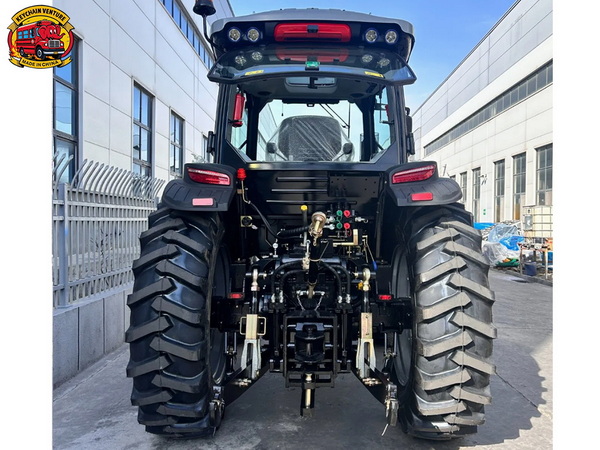
Before diving into tractor sizes, it is important to understand basic tractor terminology and capabilities.
- Horsepower (HP): This measures the tractor's engine power and directly impacts its ability to pull implements and perform heavy-duty tasks.
- Weight: Heavier tractors have better traction but may damage soft ground.
- Attachment Compatibility: The ability to use mowers, loaders, tillers, or backhoes expands versatility on your acreage.
- Transmission Type: Options include manual, hydrostatic, or powershift, affecting control and ease of use.
For a small-to-medium sized property like 10 acres, the tractor needs to be powerful enough for your daily tasks without being oversized, which can result in unnecessary fuel consumption and difficulty maneuvering.
Key considerations:
- Efficiency: Larger tractors may be overkill, while small tractors might struggle.
- Cost-effectiveness: Initial cost, maintenance, and fuel consumption must align with your budget.
- Usability: Ease of maneuvering around small plots, orchards, or gardens.
- Versatility: Ability to attach a variety of implements for different tasks.
For 10 acres, a tractor with 25 to 50 horsepower generally meets most agricultural and landscaping needs. Here's a detailed look:
Ideal for:
- Mowing large lawns or pasture
- Light tilling and plowing
- Pulling small trailers or carts
- Operating small loaders and backhoes
Features:
- Often compact utility tractors
- Easier to maneuver around obstacles
- Lower fuel consumption
Ideal for:
- More intensive soil preparation
- Larger mowing decks or flail mowers
- Moderate loader work and material handling
- Snow removal on 10 acres during winter
Features:
- Slightly heavier and more robust
- Greater pulling power for multi-purpose use
- Can support larger implements
The true power of a tractor is unlocked by its attachments. Some common implements you may want include:
- Rotary mower or finishing mower: To keep your lawn, pasture, or fields trimmed efficiently.
- Box blade or rear blade: For grading, leveling dirt roads, and maintaining paths.
- Front-end loader: Ideal for moving soil, mulch, or manure.
- Post hole digger: For fencing or tree planting.
- Tiller or plow: To prepare gardens or small crop fields.
Selecting a tractor that supports these attachments easily will maximize its utility on your property.
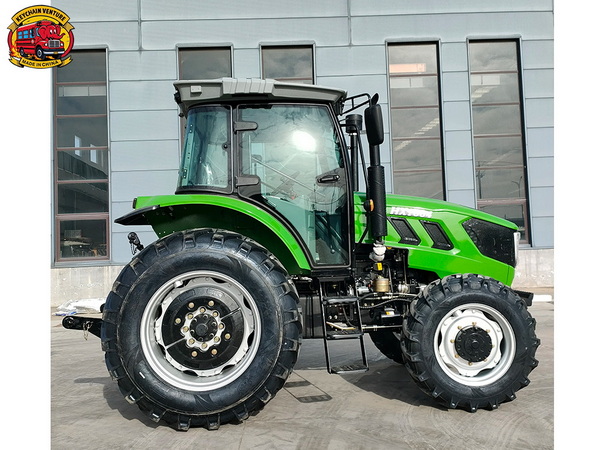
The nature of your land plays a big role in tractor selection:
- Flat terrain: Almost any tractor in the 25-50 HP range will work.
- Hilly or uneven terrain: Choose a tractor with 4WD (four-wheel drive) for better traction and safety.
- Soil type: Sandy or loose soil may require a lighter tractor to prevent sinking or damaging fields.
- Hydrostatic Transmission: Offers smooth acceleration and is user-friendly, especially for beginners.
- Manual Transmission: Offers more control and efficiency but may have a learning curve.
- Powershift Transmission: Provides easy gear changes without stopping.
For managing 10 acres, hydrostatic transmissions are often preferred for simplicity during frequent stop-and-go tasks.
- Compact Tractors: Usually around 20-40 HP, ideal if your tasks are straightforward like mowing and light tillage.
- Utility Tractors: Typically 40-60 HP, better for heavier tasks including moderate construction or hauling.
Selecting depends on the scope of work and future expansion plans on your acreage.
To illustrate, here are some commonly recommended tractor models in the 25-50 HP range:
- John Deere 3038E (38 HP): Compact, reliable, with hydrostatic transmission.
- Kubota L3901 (37 HP): Excellent attachment compatibility and fuel efficiency.
- New Holland Workmaster 40 (40 HP): Versatile for heavy-duty tasks.
- Massey Ferguson 1526 (26 HP): Budget-friendly and easy to use.
Keeping your tractor in top shape means regular maintenance:
- Check engine oil, transmission fluid, and coolant levels.
- Inspect tires for proper inflation and tread.
- Clean air filters often for optimal engine performance.
- Grease moving parts like joints and PTO shafts.
- Store your tractor in a sheltered area to avoid weather damage.
Modern tractors come equipped with:
- GPS for precision farming.
- Safety roll bars and seat belts.
- Comfortable seating for prolonged workdays.
- LED lighting packages for night-time operation.
These features can enhance productivity and reduce operator fatigue.
Choosing the right tractor size for 10 acres balances power, versatility, and ease of handling. Generally, a tractor with 25 to 50 horsepower suits a wide range of tasks typical to 10-acre properties, such as mowing, tilling, hauling, and light construction. Consider your specific needs—terrain, soil, and attachments—to pick the ideal model. Compact utility tractors often provide the best balance to work efficiently without complicating daily operations or ballooning costs. Proper maintenance and usage of compatible implements will extend the tractor's life and maximize your investment.
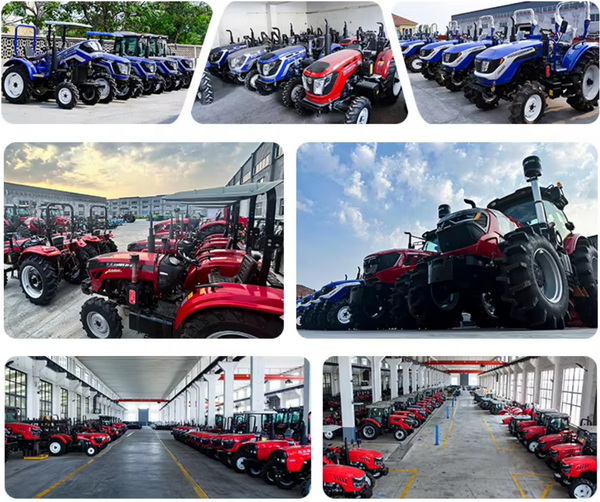
For 10 acres, tractors with 25 to 50 horsepower are most suitable depending on your planned tasks and terrain conditions.
If your land is flat and well-drained, 2WD is sufficient. For hilly or muddy areas, 4WD improves traction and safety.
Common attachments include rotary mowers, box blades, front loaders, and tillers to handle mowing, grading, material handling, and soil prep.
Yes, hydrostatic transmissions offer smoother control and are easier for beginners, especially on properties around 10 acres.
Regularly check fluids, tires, air filters, and lubricate moving parts. Proper storage protects it from weather damage.


