
Views: 222 Author: Amanda Publish Time: 2025-09-20 Origin: Site


Content Menu
● Types of Dump Trucks and Licensing Requirements
>> Dump Trucks Not Requiring a CDL
>> Class B CDL for Dump Trucks
>> Class A CDL for Combination Vehicles
● Understanding Commercial Driver's Licenses (CDL)
>> Class A CDL
>> Class B CDL
>> Class C CDL
● Steps to Obtain a CDL for Driving Dump Trucks
>> Preparing for the Commercial Learner's Permit (CLP)
>> Passing the CDL Skills Test
● Endorsements and Special Considerations
● Regional and State Licensing Variations
● Importance of Having the Correct Dump Truck Licence
● Additional Tips for Aspiring Dump Truck Drivers
● Frequently Asked Questions (FAQ)
>> 1. What type of licence do I need to drive a dump truck?
>> 2. Can I drive a dump truck without a CDL?
>> 3. How long does it take to get a CDL for dumping trucks?
>> 4. Are endorsements necessary for dump truck drivers?
>> 5. What are penalties for driving a dump truck without the right licence?
Driving a dump truck is a specialized skill that requires more than just the ability to operate a large vehicle. It necessitates holding the appropriate driving licence, which ensures the driver is qualified, knowledgeable, and legally authorized to handle such heavy-duty machinery. Whether working in construction, mining, or waste management, understanding the specific licensing requirements is critical for legal compliance and safety. This article offers a thorough exploration of the licences required to drive various types of dump trucks, the steps to obtain these licences, important endorsements, and best practices for aspiring dump truck drivers.
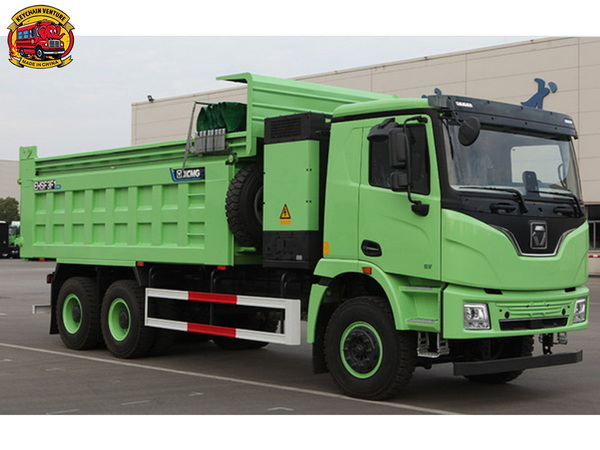
Dump trucks play a vital role in industries that involve hauling loose materials like sand, gravel, and demolition waste. These vehicles come in different sizes and configurations, each with particular licensing criteria mandated by government authorities. Since many dump trucks fall under commercial vehicle regulations, operators must secure the proper Commercial Driver's License (CDL) to drive legally on public roads. This guide addresses the types of licences necessary depending on the truck's specifications and provides insight into the licensing process.
The type of dump truck you intend to drive largely determines the licence you need. The Gross Vehicle Weight Rating (GVWR) and towing capacity are crucial factors in this determination.
If the dump truck has a GVWR of 26,000 pounds or less, many jurisdictions allow operation with a standard driver's licence without requiring a CDL. These lighter trucks are common for short-distance hauling or small construction projects where heavy loads are not involved.
For single dump trucks with a GVWR of 26,001 pounds or more and a trailer with a gross vehicle weight of less than 10,000 pounds, a Class B CDL is required. This licence covers most straight dump trucks used in commercial operations.
When driving dump trucks that tow trailers where the combined GVWR exceeds 26,000 pounds and the trailer itself weighs more than 10,000 pounds, a Class A CDL becomes necessary. Examples include tractor-trailer dump trucks used for heavy hauling over longer distances.
In many countries, the CDL system categorizes licences based on vehicle types and weights.
- Allows operation of combination vehicles such as tractor-trailers.
- Required when towing trailers above 10,000 pounds with a truck GVWR over 26,000 pounds.
- Holds the broadest range of driving privileges, covering Class B and C vehicles as well.
- Permits driving of single vehicles with a GVWR over 26,000 pounds.
- Does not cover towing trailers over 10,000 pounds.
- Ideal for straight dump trucks commonly used in construction.
- Designed for vehicles with passenger transport or hazardous materials.
- Typically not required for dump truck operations unless carrying hazardous loads.
Getting a CDL involves several well-defined steps. Compliance with these steps helps ensure safety and legal qualification.
- Age: Minimum age is 18 for intrastate driving; 21 is required for interstate commerce.
- Driver's Licence: A valid non-commercial driver's licence is mandatory.
- Medical Examination: Passing a Department of Transportation (DOT) physical exam is essential, covering vision, hearing, blood pressure, and overall health.
- Study the CDL manual relevant to your state or country.
- Pass the written knowledge tests to obtain a CLP.
- Practice driving with a licensed CDL holder for a minimum period (e.g., 14 days) before attempting the skills test.
- Enroll in a truck driving school or training program focused on commercial vehicle operation.
- Learn safe driving methods, vehicle inspection routines, cargo handling, and road regulations.
- Training typically lasts from 2 to 4 weeks depending on the program.
- This includes a pre-trip vehicle inspection, basic vehicle control exercises, and an on-road driving test.
- Successfully passing these validates your driving skills and knowledge.
- Apply for and pass tests for additional endorsements if your dump truck has specialized equipment or transports specific cargo types.
Certain dump trucks may require drivers to have endorsements on their CDL for safe and legal operation.
- Air Brake Endorsement: Necessary if the dump truck is equipped with air brakes.
- Hazardous Materials (HazMat) Endorsement: Required for trucks carrying hazardous substances.
- Tanker Endorsement: If the dump truck operates with tanker configurations for liquid or bulk materials.
Endorsements usually involve written exams and additional safety training to ensure competence.
Licensing rules vary depending on local or national regulations.
- Always verify with your local Department of Motor Vehicles (DMV) or equivalent authority to confirm the specific requirements.
- Some regions mandate additional tests such as drug screening, background checks, or confirm minimum training hours.
- Intrastate driving licences can differ significantly from interstate driving licences, especially in countries like the United States.
Operating a dump truck without the correct license not only jeopardizes safety but also carries legal consequences.
- Fines and Penalties: Operating without appropriate licensing can lead to hefty fines and vehicle impoundment.
- License Suspension or Revocation: Driving without a valid CDL may result in losing your driving privileges.
- Safety Risks: Unlicensed drivers pose greater risks of accidents due to insufficient training.
- Employment Impact: Without proper licensing, job opportunities in the dump truck driving field are limited or nonexistent.
Having the correct licence assures employers and regulatory agencies of your professionalism and safety awareness.
- Maintain a clean driving record to improve employability.
- Continuously update your knowledge of federal, state, and local truck driving laws.
- Pursue advanced training courses and certifications to enhance skills.
- Understand the specific requirements for the type of dump truck you want to operate.
- Prepare for ongoing medical examinations to ensure fitness for commercial driving.
To legally and safely operate a dump truck, securing the correct licence is indispensable. Smaller dump trucks with a GVWR under 26,000 pounds may require only a standard driver's license, but most commercial dump truck operations necessitate a Class B or Class A Commercial Driver's License depending on vehicle size and towing capacity. The licensing process involves eligibility checks, training, testing, and sometimes endorsements that confirm a driver's qualification for specific truck features. Staying informed about regional regulations and maintaining proper licensure are key steps toward a successful career as a dump truck operator.
Most dump trucks with a GVWR over 26,000 pounds require a Class B CDL for single vehicles, or a Class A CDL if towing trailers over 10,000 pounds.
Yes, but only if the dump truck's GVWR is 26,000 pounds or less and if local laws permit operation with a standard driver's license.
Typically, obtaining the required licence takes between 30 to 60 days, including training and testing.
Endorsements are needed if operating air brakes, hauling hazardous materials, or driving tanker-configured trucks.
Penalties include fines, possible jail time, license suspension, and disqualification from professional driving jobs.
[1](https://www.coverwallet.com/business-tips/how-to-get-dump-truck-license)
[2](https://truckinghq.com/do-you-need-a-cdl-to-drive-a-dump-truck/)
[3](https://www.coopskw.com/interested-becoming-dump-truck-driver/)
[4](https://hgvlearning.com/knowledge-hub/training/what-do-i-need-to-drive-a-dumper-truck/)
[5](https://www.whitestractor.com/becoming-a-dump-truck-driver-licensing-tips/)
[6](https://www.hardhattraining.com/the-ultimate-guide-to-becoming-a-dump-truck-driver/)
[7](https://www.indeed.com/career-advice/career-development/cdl-certification-guide)
[8](https://rtdstruckingschool.com/types-of-truck-driving-licenses-explained/)
[9](https://cdl-cda.com/blog/how-to-become-a-professional-truck-driver-a-comprehensive-guide/)
[10](https://www.cloudtrucks.com/blog-post/cdl-license-types)


