


Content Menu
● Introduction to Water Trucks
● Key Components of a Water Truck
● Common Uses and Applications of Water Trucks
>> Municipal and Landscaping Use
>> Environmental and Other Specialized Uses
● Advantages of Using Water Trucks
● Modern Technologies in Water Trucks
● How to Choose the Right Water Truck for Your Needs
● Maintaining Your Water Truck
● FAQ
>> 1. What is the typical tank capacity of a water truck?
>> 2. Can water trucks operate off-road?
>> 3. How do water trucks control dust?
>> 4. Are there environmentally friendly water trucks?
>> 5. What maintenance is required for water trucks?
As a leading commercial vehicle supplier based in China, KeyChain Venture Co., Ltd. specializes in providing high-performance bus and heavy truck solutions to customers both domestically and internationally. One of the most essential vehicles in construction, mining, agriculture, and municipal operations is the Water Truck. This article explores the concept of a water truck in detail, its key features, applications, benefits, and technological advancements.
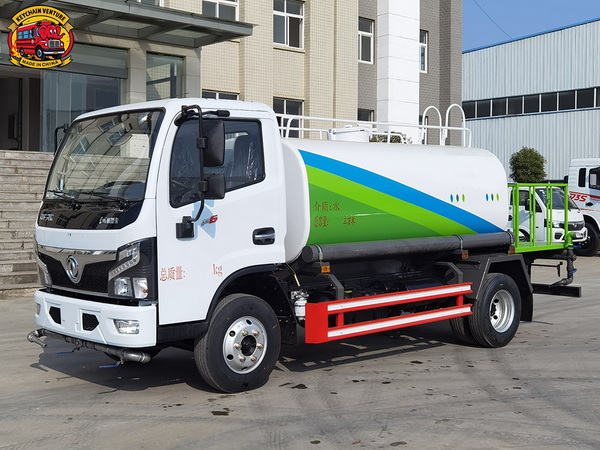
A Water Truck is a specialized commercial vehicle fitted with a large tank used to transport and dispense water. These trucks are designed for various tasks such as dust suppression, soil compaction, firefighting, irrigation, and road construction. Equipped with powerful pumps and spraying nozzles, water trucks can deliver large volumes of water across demanding terrains.
The versatility and vital functionality of water trucks make them indispensable assets on job sites that require an efficient and mobile water supply. Whether it is controlling dust emissions on a busy construction site or providing emergency firefighting support in remote locations, the role of water trucks cannot be overstated.
To fully understand what a water truck is, it is essential to examine its primary components:
- Water Tank: The largest and most critical part, tanks come in various sizes ranging from 1,000 to over 10,000 gallons. They are made from steel, aluminum, or polyethylene. The choice of material impacts the truck's weight, durability, and resistance to corrosion.
- Pump system: Pumps enable water transfer from the tank to spray nozzles or hoses with adjustable pressure and flow rates. Depending on the model, pumps can be powered by hydraulic drives or the truck's own engine.
- Spray booms and nozzles: These attachments spread water evenly over large areas for dust control or irrigation. Spray patterns can be adjusted to suit different site requirements, including misting, fogging, or full-stream spraying.
- Chassis and drivetrain: Heavy-duty truck chassis provide stability, load capacity, and off-road capability. Many water trucks are based on robust commercial truck platforms with reinforced frames and suspension to handle the weight of a full tank.
Other specialized components may include hose reels for manual spraying, pressure control systems for firefighting applications, and electronic controls for automated water distribution.
The versatility of a water truck allows it to serve a wide range of industries. Some of the most common applications include:
In mining sites, construction zones, and unpaved roads, dust control is a critical safety and environmental measure. Water trucks spray water to reduce airborne dust, improving air quality and visibility. This is particularly important in open-pit mines or large-scale earthworks, where dust can impair machinery function and pose health risks.
During road building or foundation work, moisture content in soil impacts compaction efficiency. Water trucks help evenly distribute water to optimize soil density and stability. Proper compaction prevents future settling and cracking, which results in longer-lasting infrastructure.
Especially in wildfire-prone or rural areas, water trucks act as mobile water sources for firefighting crews, delivering large quantities of water quickly to fire sites. Some water trucks are specially equipped with high-pressure pumps, foam systems, and hoses to assist in initial attack firefighting before larger resources arrive.
For farmlands without permanent irrigation infrastructure, water trucks supply essential water, supporting crop growth and livestock needs. They provide flexibility to water remote or irregularly shaped fields and act as a supplementary source during drought periods or water restrictions.
Parks, sports fields, and green belts require regular watering, often fulfilled by water trucks that navigate difficult terrain and deliver water precisely where needed. Water trucks are also used for street cleaning, tree watering, and other urban maintenance tasks.
Water trucks play an important role in environmental reclamation projects by maintaining moisture levels in newly planted areas to encourage vegetation growth. They are also used to rinse down equipment and streets or in dust mitigation in bulk material transport depots.

Several classifications of water trucks exist based on tank size, pump capacity, and application specialty:
- Standard Water Trucks: Medium to large capacity tanks on heavy-duty chassis for general construction and municipal work. These are the most common water trucks found across job sites.
- Mini Water Trucks: Compact models equipped for small sites or narrow city streets where maneuverability is necessary.
- Fire Water Trucks: Customized with high-pressure pumps and additional firefighting equipment. They may carry foam agents or have rapid deploy systems.
- Off-road Water Trucks: Designed with rugged suspensions and 4x4 to 8x8 drivetrains for mining and forestry applications which require superior traction and stability.
Each type of water truck caters to specific operational needs by balancing tank capacity, spraying capability, maneuverability, and durability.
The widespread use of water trucks in industrial and municipal operations is due to several significant benefits:
- Flexibility: Ability to operate in diverse environments and deliver water exactly where it is needed.
- Cost-effective: Reduces the need for fixed plumbing infrastructure and manual labor for watering tasks.
- Environmental Control: Helps control dust pollution, improving safety and compliance with regulations.
- Efficiency: High-capacity tanks and adjustable pumps allow large volumes of water in short durations.
- Mobility: Water trucks can reach remote locations and areas lacking permanent water supply, unlike fixed irrigation or fire hydrant systems.
Using water trucks effectively contributes not only to operational efficiency but also to workplace safety and environmental stewardship.
Recent advancements have enhanced the functionality and safety of water trucks significantly:
- GPS and Telematics: Real-time tracking of water usage, truck location, and maintenance scheduling improves efficiency and fleet management.
- Automated Spray Systems: Precise control over spray patterns and volumes via remote or electronic controls reduces water waste and increases application consistency.
- Lightweight Materials: Tanks made with corrosion-resistant composites reduce overall weight, improving fuel economy without sacrificing durability.
- Emission Controls: Modern trucks comply with stringent emission standards by integrating advanced diesel engines or hybrid powertrains.
- Safety Features: Cameras, proximity sensors, and improved braking systems enhance on-site safety for operators and workers.
These technologies provide users with greater control, accountability, and environmental benefits.
Selecting the ideal water truck depends on several factors:
- Application Type: Dust control, irrigation, firefighting, or soil compaction? Each requires different pump and tank specs.
- Tank Capacity: Based on water volume requirements and site accessibility.
- Terrain and Off-Road Capability: Consider 4x4 or 8x8 drive options for rough environments.
- Regulatory Compliance: Ensure vehicle meets local emission and safety standards.
- Budget and After-Sales Support: Opt for suppliers with strong service networks and spare parts availability.
Consulting with a reliable supplier like KeyChain Venture Co., Ltd. offers advantages in getting customized solutions tailored to your operational needs.
For reliability and longevity, regular maintenance is essential:
- Check tank integrity and clean sediment buildup regularly.
- Inspect pump and hoses for leaks or wear.
- Maintain chassis and drivetrain according to manufacturer guidelines.
- Calibrate spray equipment to maintain performance.
- Verify that valves and controls function smoothly to prevent water wastage.
Proper maintenance reduces downtime and ensures your water truck performs optimally even in the harshest conditions.
A water truck is a versatile and indispensable vehicle in numerous industries such as construction, agriculture, firefighting, and municipal services. Its ability to transport and dispense large volumes of water efficiently makes it ideal for dust suppression, irrigation, soil compaction, and emergency fire response. Modern innovations continue to enhance water truck performance, improving efficiency, safety, and environmental compliance. Choosing the right water truck depends on your specific operational needs, application environment, and capacity requirements. Partnering with expert suppliers like KeyChain Venture Co., Ltd. ensures access to reliable, high-quality water truck solutions that meet international standards and help you maximize productivity with minimal downtime.
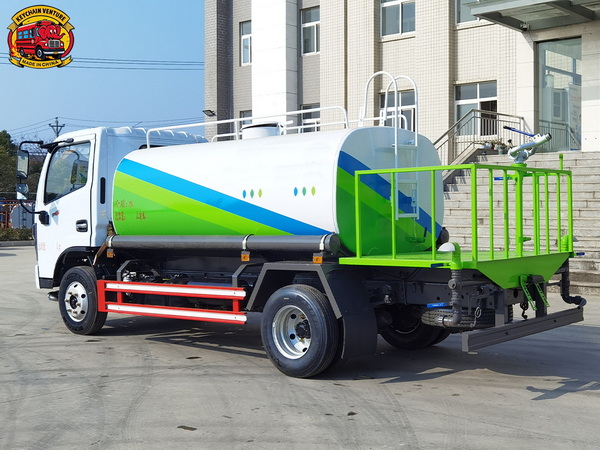
The tank capacity of water trucks varies widely from about 1,000 gallons for smaller models to over 10,000 gallons for heavy-duty trucks, depending on the application. Selecting the right capacity depends on your water volume needs and operational site conditions.
Yes, specialized off-road water trucks are equipped with heavy-duty suspensions and 4x4 or 8x8 drivelines to navigate rough terrains like mining or forestry sites. These trucks are built to withstand rugged landscapes while maintaining performance.
Water trucks reduce airborne dust by spraying fine water mists or a continuous water layer over unpaved surfaces, stabilizing soil and reducing particulate matter. This dust suppression is crucial for environmental compliance and worker safety.
Modern water trucks increasingly use lightweight, corrosion-resistant tanks and efficient engine systems that reduce fuel consumption and meet strict emission standards. The integration of telematics and automated spraying also minimizes water waste.
Regular tank cleaning, pump inspections, hose replacements, and chassis servicing are crucial to keep water trucks operational and extend their lifespan. Preventive maintenance helps avoid costly downtime and repairs.


