
Views: 222 Author: Amanda Publish Time: 2025-08-21 Origin: Site


Content Menu
● Introduction to Spoon Excavators
● The Design and Structure of a Spoon Excavator
>> What Makes the Spoon Excavator Unique?
● Primary Uses of a Spoon Excavator
>> 1. Trenching and Earthmoving
>> 2. Handling Soft and Loose Materials
>> 3. Landscaping and Site Preparation
>> 4. Demolition and Scrap Handling
● Advantages of Using a Spoon Excavator
● How to Select a Suitable Used Excavator with a Spoon Attachment
>> Condition of Used Excavator
● Maintenance and Operational Tips for Spoon Excavators
● Case Studies: Spoon Excavators in Action
>> Case 1: Urban Pipeline Installation
>> Case 2: Landscaping at a Commercial Complex
>> Case 3: Mining Site Selective Digging
● FAQ
>> 1. What is the difference between a spoon excavator and a regular excavator bucket?
>> 2. Can any used excavator be fitted with a spoon bucket attachment?
>> 3. How does operating a spoon excavator differ from a standard excavator?
>> 4. What types of projects are best suited for the spoon excavator attachment?
>> 5. How to maintain a used excavator equipped with a spoon bucket?
Spoon excavators have become a vital piece of equipment in modern construction, mining, and landscaping projects. As a specialized type of excavator attachment, the spoon excavator is designed for digging, scooping, and material handling, particularly in scenarios where precision and efficiency are essential. In this comprehensive article, we will explore what a spoon excavator is, its primary uses, advantages, key considerations for both new and experienced users, and how to select and maintain one effectively. We will also incorporate valuable multimedia references where appropriate to provide a vivid understanding of its capabilities and conclude with a helpful FAQ section that answers common questions about used excavators of this type.
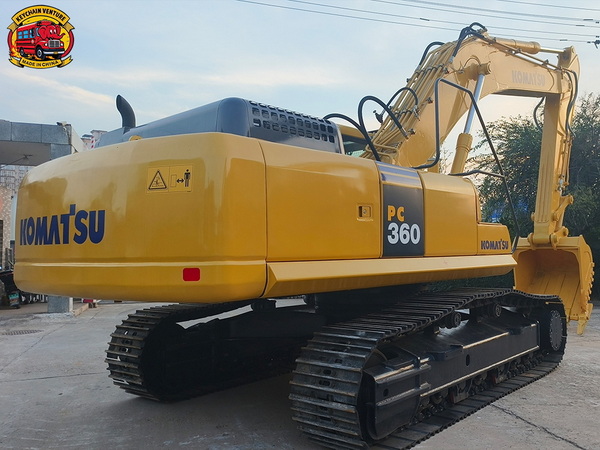
Spoon excavators are specialized construction machines equipped with a bucket resembling the shape of a spoon. Unlike standard excavators that often use a general-purpose digging bucket, spoon excavators offer better control and are typically employed for tasks requiring gentler digging or material handling. They excel in digging trenches, moving soft materials, and working in confined or sensitive areas.
This article targets professionals and enthusiasts interested in the industrial application of used excavators fitted with spoon attachments, offering insights into how these machines enhance operational efficiency across several sectors.
The key differentiator of a spoon excavator lies in its bucket design. The bucket is longer and more curved, mimicking the curvature of a spoon, which allows it to scoop and hold materials better than traditional buckets. This design helps reduce material spillage during transport and enables precise digging or loading.
- Bucket Shape: The curved design enhances versatility, allowing operators to scoop delicate materials and uneven terrain without overloading or spilling.
- Size and Capacity: Sizes can vary dramatically depending on the excavator model and the intended use, from small-scale landscaping to heavy-duty mining applications. This flexibility ensures they can be fitted to machines of different weight classes.
- Compatibility: Spoon buckets can be fitted on a variety of excavator sizes, especially used excavators, making them highly adaptable in diverse operational contexts.
The attachment mechanism is usually standardized to fit the quick couplers on modern excavators, ensuring easy installation and removal. Operators benefit from this flexibility by being able to swap between spoon buckets and other types depending on the job at hand.
Spoon excavators serve multiple industries and applications, often excelling where precision is critical.
One of the primary applications for a spoon excavator is trenching. Its slender, curved bucket design makes it ideal for digging narrow trenches for pipelines, electrical conduits, and irrigation systems. The precision in trench depth and width is superior due to the bucket's shape, allowing smoother sidewalls and less material wastage.
Because the spoon bucket's edges are rounded and tapered, the excavation is cleaner and less intrusive, which reduces the need for secondary finishing work like manual trench cleaning. This also helps minimize vibration and disturbance to nearby underground utilities or foundation structures.
Spoon excavators work well for materials like sand, gravel, or loose soil. The design minimizes spillage and allows for smooth loading/unloading. Particularly in bulk material handling — such as loading trucks or transferring aggregates — spoon buckets reduce material loss during transport due to their high carrying capacity and retention ability.
Moreover, the spoon design reduces drag and resistance when moving through fine or dry soils, leading to improved fuel efficiency and faster cycle times.
For commercial and residential landscaping, spoon excavators maneuver well in tight spaces, enabling tasks such as leveling uneven terrain, soil relocation, and planting bed preparation with greater ease. The spoon's curved bucket edges allow operators to sculpt the earth smoothly, facilitating aesthetically pleasing land contours.
In urban landscaping projects, the spoon excavator is particularly useful for working around existing plants, sidewalks, and other structures, as it can delicately remove soil without excessive disturbance.
In demolition tasks, spoon excavators assist in clearing debris without grinding down materials unnecessarily, allowing for easier materials recycling and sorting. They can carefully scoop up loose rubble or debris without pulverizing recyclable concrete or metals, lending themselves to more environmentally friendly demolition practices.
Spoon buckets are often preferred when demolition requires selective material handling to separate waste types on site, avoiding contamination.
Spoon excavators help in mining operations where selective digging is required, supporting removal of softer earth layers or extracting materials without damaging harder surfaces. Their precision reduces over-excavation, minimizing operational costs and increasing resource recovery rates.
In stone quarrying, these excavators delicately chip away at overburden or smaller deposits, optimizing extraction workflows.
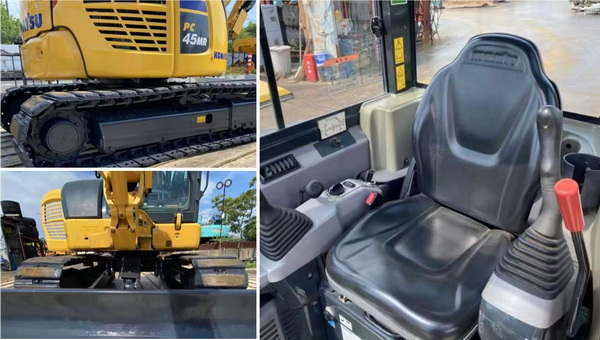
Spoon excavators offer several distinct benefits that enhance operation efficiency across diverse projects:
- Precision and Control: The bucket's unique shape offers enhanced control when digging or moving sensitive materials. This is crucial for jobs such as trenching near utilities or landscaping on uneven terrain.
- Reduced Material Loss: Material tends to stay inside the bucket thanks to its curvature, reducing spillage during transport. This advantage leads to fewer cleanup cycles and improved productivity.
- Versatility Across Projects: Spoon excavators perform well in landscaping, construction, mining, and demolition projects, making them a flexible asset.
- Compatibility with Used Excavators: Many used excavators can be retrofitted with spoon buckets, offering cost-effective solutions for companies looking to upgrade capabilities without investing in new machinery.
- Improved Operational Safety: By controlling material more effectively and reducing spillage, spoon buckets help prevent workplace hazards related to loose debris or uneven loads.
- Fuel Efficiency: Because the bucket shape reduces drag when digging through soft materials, operators report better fuel economy during repetitive scooping operations.
- Lower Maintenance Costs: The streamlined bucket profile tends to reduce wear on bucket edges and pins, extending service intervals compared to sharper, more aggressive bucket designs.
When considering purchasing a used excavator fitted with a spoon bucket, several key factors should be evaluated to ensure suitability and performance:
Selecting the correct bucket size depends on your project specifications. Large spoon buckets are suited for heavy loading and earthmoving, whereas smaller, narrower buckets provide better precision in delicate operations like trenching or landscaping.
The excavator's horsepower, hydraulic flow, and lifting capacity should match the demands of the spoon bucket. Undersized machines may struggle with bucket loads, increasing wear and operational costs.
A thorough assessment of a used excavator's condition is critical:
- Examine the hydraulic system for leaks or degraded components.
- Inspect the boom and arm for cracks or weld repairs.
- Check track condition and undercarriage integrity.
- Review maintenance records and prior usage patterns.
Not all spoon buckets will fit every excavator model. It is essential to verify that the bucket's coupling system and hydraulic requirements match the machine specifications.
Consider the terrain, material type, and project scale. Some spoon excavators offer special reinforced edges or cutting teeth for tougher soils, while others prioritize smooth bucket surfaces for fragile ground.
Proper maintenance ensures longevity and efficiency of your spoon excavator, especially when working with used excavators.
- Regular Lubrication: Keep all pivot points and bucket joints well lubricated to avoid excessive wear and friction.
- Daily Inspection: Check hydraulic hoses for leaks or cracks, inspect bucket edges for dents or deformation, and verify secure attachment.
- Debris Removal: Clean out soil and materials from the bucket after operation to prevent buildup and corrosion.
- Operator Training: Effective training on efficient scoop angles and bucket control will maximize your productivity and reduce unnecessary strain on components.
- Timely Repairs: Address any damage, such as cracks or bent edges, immediately to prevent further deterioration.
- Scheduled Servicing: Follow the manufacturer's service intervals for hydraulic filters, fluid changes, and structural inspections.
- Storage Considerations: If the machine will be idle for extended periods, protect hydraulic components and the spoon bucket from environmental damage such as rust or freezing.
A municipal infrastructure project in a densely populated city required precise trenching for underground water and electrical pipe installation. Using a used excavator equipped with a medium-sized spoon bucket, the contractor was able to dig clean, narrow trenches closely aligned with existing utilities, avoiding costly damage and delays. The project finished ahead of schedule with reduced restoration needs.
A large commercial park development required extensive landscaping with tight working areas around existing infrastructure. The spoon excavator's fine control allowed earthmoving in confined spaces without impacting surrounding structures or plants. The flexible use of a used excavator reduced capital expenditures while delivering high-quality results.
A mining operation specializing in mineral extraction used spoon excavators to carefully remove softer overburden layers while leaving valuable mineral deposits intact. By integrating used excavators with specialized spoon buckets, they achieved optimized resource recovery with minimal waste and lower operational costs.
Spoon excavators are indispensable tools for industries requiring precision excavation and gentle material handling. Their unique bucket design offers operational advantages including greater control, reduced material spillage, and adaptability across diverse applications such as trenching, landscaping, mining, and demolition. When paired with properly selected used excavators, spoon attachments represent a cost-effective investment that enhances productivity and safety.
Choosing the right combination of machine and bucket, along with dedicated maintenance and operator training, ensures that spoon excavators deliver maximum performance for your projects. Whether you are upgrading an existing fleet or exploring new equipment options, spoon excavators provide a practical solution for people-focused, efficient excavation.
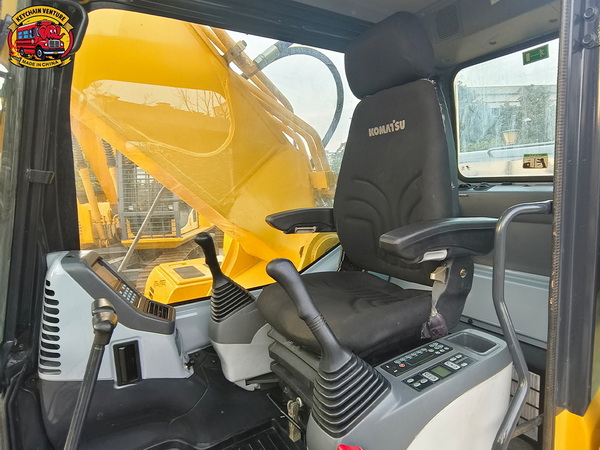
A spoon excavator uses a long, curved bucket designed for precision and reduced spillage, while regular buckets are more uniform and suited for general digging. The spoon bucket is especially useful in trenching and handling softer materials precisely.
While many used excavators can be retrofitted, compatibility depends on the hydraulic system, size, and quick coupler type. It's essential to consult with manufacturers or suppliers to ensure proper fitment.
Operators must be more precise and control digging depth carefully to maximize the benefits of the spoon bucket's shape. Training is recommended for getting used to the different scoop dynamics.
Projects requiring narrow trench digging, soft material handling, precise landscaping, and selective digging in mining benefit most from spoon excavators.
Regular lubrication, inspection for hydraulic leaks, cleaning material buildup, and prompt repairs are critical for maintenance. Following the manufacturer's guidelines helps extend machine life.


