
Views: 222 Author: Amanda Publish Time: 2025-10-26 Origin: Site


Content Menu
● Types of Fuels Used in Excavators
>> Gasoline: Compact and Niche
>> LPG and CNG: Clean Alternatives
>> Electric Excavators: The Modern Wave
>> Hybrid Systems: Fuel Efficiency Evolution
● Understanding Excavator Fuel Systems
● Environmental Regulations and Emissions
● Innovations in Excavator Fuel Technologies
>> Biofuels and Renewable Energy
● The Role of Fuel Economy in Used Excavator Selection
● Challenges of Upgrading or Retrofitting Used Excavators
● Case Example: Fuel Use in Used Excavators
● Frequently Asked Questions (FAQ)
>> 1. What is the most common fuel for used excavators?
>> 2. Are electric excavators available secondhand?
>> 3. How can companies minimize fuel costs for used excavators?
>> 4. What maintenance is essential for used excavator fuel systems?
>> 5. Is it possible to convert a used excavator to an alternative fuel?
Excavators play a vital role in modern construction, mining, and infrastructure development thanks to their exceptional power, versatility, and reliability. Used excavators, in particular, have become an attractive choice for businesses seeking cost-effective solutions without compromising performance. One of the most crucial aspects determining the efficiency and operational footprint of these machines is fuel type. KeyChain Venture Co., Ltd., a leading supplier in China, recognizes that understanding various excavator fuels is key to maximizing value for both new and used excavator clients.
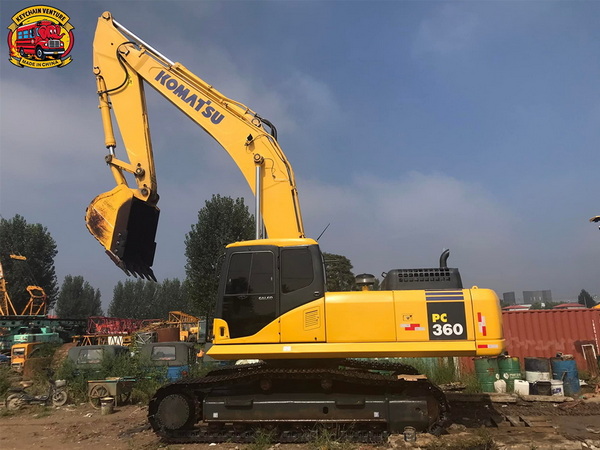
The decision on what fuel an excavator uses extends beyond mere operational cost; it affects engine performance, job site suitability, maintenance requirements, and the ecological impact of the machinery. Used excavator buyers must especially evaluate fuel systems to align with regional regulations, availability, and long-term sustainability goals.
Diesel remains the preeminent fuel for excavators globally. Its high energy density and robust engine compatibility are ideal for heavy-duty excavation projects. Used excavators with diesel engines are valued for their durability and reliability—qualities central to long-term returns on investment.
- Advantages
- Diesel engines deliver excellent torque, crucial for lifting, digging, and moving heavy loads on construction sites.
- They are well-suited for extended operation with minimal refueling, resulting in higher job site productivity.
- Diesel infrastructure (fuel delivery, maintenance) is widely available, benefitting both new and used excavator fleets.
- Regulatory Considerations
- Modern emissions standards require ultra-low sulfur diesel, especially in environmentally sensitive regions.
- Used excavators may need compliance upgrades, such as advanced particulate filtration or exhaust after-treatment systems, to meet Tier 4 Final or China National VI standards.
Some mini and compact excavators use gasoline engines, selected for light-duty applications where torque requirements are less intense. These are rare among used excavators, but they serve enterprises seeking simplicity and lower upfront costs.
Liquefied Petroleum Gas (LPG) and Compressed Natural Gas (CNG) have entered the market as cleaner fuel options for excavators lying at the intersection of sustainability and performance. Retrofitting used excavators with LPG or CNG engines helps companies comply with green regulations, particularly in cities with stringent pollution controls.
Electrification is rapidly transforming the excavator industry. New models and select used excavators now feature battery-powered engines, eliminating direct carbon emissions on job sites. Electric excavators operate with less noise, minimal maintenance, and improved energy efficiency, making them ideal for urban construction, indoor work, and noise-sensitive environments.
Hybrid excavators blend diesel engines with electric batteries, offering lower fuel consumption and emissions. Used hybrid excavators represent a growing segment of the market as construction firms seek sustainable yet powerful equipment options.
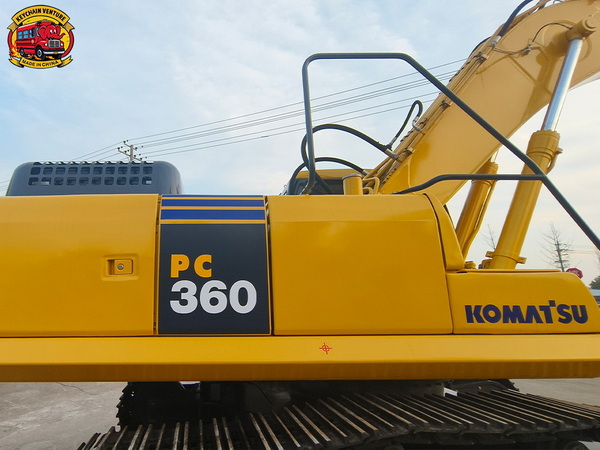
The fuel delivery system in every excavator comprises tanks, pumps, filters, injectors, and control modules. Used excavator owners can ensure maximum power and optimal fuel economy by regularly maintaining and upgrading these components.
- Inspect and replace fuel filters to maintain flow and engine health.
- Check tanks for rust and leaks; used excavators are particularly vulnerable due to age and previous usage.
- Clean injectors and maintain spray patterns for consistent combustion.
- Update engine management software in modern machines to optimize fuel efficiency and emissions.
Governments now enforce strict emissions standards for all construction machinery, including used excavators. Compliance with standards such as Euro Stage V, Tier 4 Final, and China National VI ensures that machines can work legally and competitively across multiple regions. Adapting older used excavators with advanced emissions technologies is essential for market access.
Research into biofuels, hydrogen, and other renewables promises a future with cleaner, more sustainable excavation. Although not yet widespread, used excavators adapted for biofuel operation are emerging, offering an option for companies committed to reducing their carbon footprint.
Modern excavators, including many used models, implement electronic engine management systems that dynamically adjust fuel delivery based on workload, optimizing performance while minimizing consumption and emissions.
Owners and operators of used excavators are increasingly focused on balancing purchase price with operational efficiency. Diesel remains popular for high-production environments, while electric and hybrid options attract those prioritizing sustainability or working in emission-restricted zones.
- Companies can lower fuel costs by training operators in efficient machine handling.
- Choosing appropriately sized used excavators for job-specific tasks prevents overconsumption and unnecessary wear.
- Routine maintenance extends machine life and protects fuel systems from deterioration.
Retrofitting a used excavator to accept new fuel types or emission standards may be costly but is often necessary to extend operational lifespan or expand market reach.
- Expert assessment is needed to confirm engine and frame compatibility with alternative fuel systems.
- Regulatory compliance must be verified to avoid legal and environmental penalties.
Consider a scenario where a used excavator fleet at a municipal job site includes both diesel and electric models. Diesel-powered machines are assigned tasks requiring constant, high torque in open environments, whereas electric excavators address jobs within noise-sensitive public spaces. By matching fuel type, machine specification, and operational context, the fleet maximizes efficiency, meets regulatory standards, and controls costs.
Excavators are the backbone of modern construction, and their fuel choices shape the scope and success of every project. Diesel remains the cornerstone, but gasoline, LPG, CNG, electric, and hybrid models are gaining ground, particularly among used excavators. Selecting appropriate fuels and maintaining robust fuel systems ensures that excavator fleets remain productive, cost-effective, and ready for future challenges.
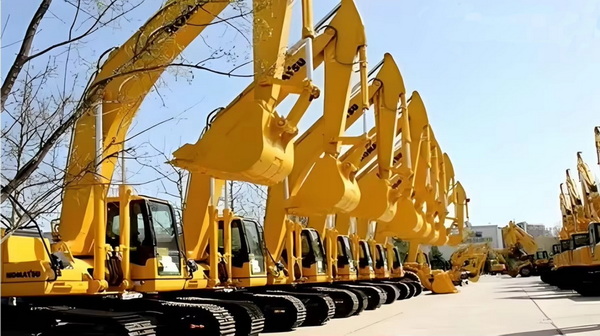
Diesel stands out as the primary fuel, celebrated for its reliability, excellent torque, and ubiquitous infrastructure in the construction industry.
Yes. The popularity of electric models is rising, and they increasingly appear in used excavator listings, especially in regions enforcing strict emissions control.
Operators can lower costs by following strict maintenance schedules, investing in operator training, and aligning machine selection with job requirements.
Routine fuel filter replacement, tank inspection for leaks or rust, injector cleaning, and periodic engine module software updates are critical.
Yes, but it requires thorough engineering and regulatory assessment; retrofits can improve sustainability and market compliance in certain cases.


