Views: 222 Author: Amanda Publish Time: 2025-11-21 Origin: Site


Content Menu
● The Appeal of Buying a Used Tractor
>> Advantages of Used Tractors
>> Disadvantages of Used Tractors
● Benefits of Purchasing a New Tractor
>> Considerations for New Tractors
● Extended Considerations When Choosing Your Tractor
>> Know Your Workload and Land
>> Evaluate Tractor Specifications and Attachments
● Tips for Buying a Used Tractor Safely
● Cost Comparison of New vs Used Tractors
● Frequently Asked Questions (FAQs)
>> 1. What should I focus on when inspecting a used tractor?
>> 2. How does tractor horsepower affect my purchase decision?
>> 3. Are warranties available for used tractors?
>> 4. Can used tractors be as fuel-efficient as new ones?
>> 5. How can I finance a used tractor?
Choosing whether to buy a new or a used tractor is one of the most important decisions a farmer, contractor, or fleet operator must make. This decision impacts upfront costs, maintenance expenses, operational efficiency, and ultimately, the profitability of your agricultural or transport business. The choice is especially significant for those seeking high-performance tractor solutions that match their workload and budget.
This article explores the critical factors influencing this purchase decision, with a special focus on used tractors—their benefits, potential drawbacks, and tips for making a safe, valuable investment. The goal is to help you understand the pros and cons of new versus used tractors so you can make an informed, confident choice.
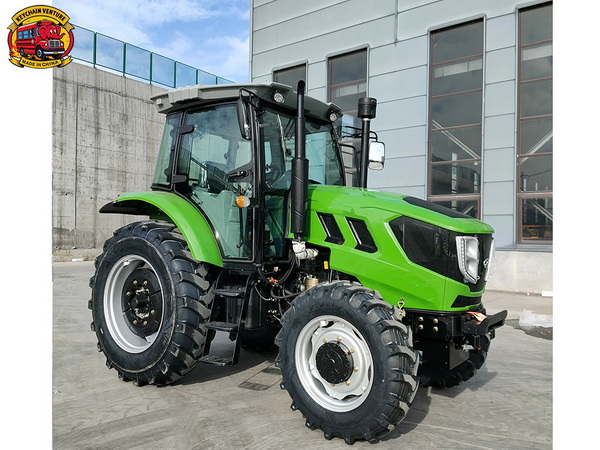
Used tractors often catch the eye of buyers because of their affordability and the opportunity to access reliable agricultural machinery without the heavy capital expenditure of new equipment. For many, a used tractor represents a chance to expand operations or replace aging equipment within a limited budget.
- Significant Cost Savings: Used tractors typically cost far less than their brand-new counterparts, which is a key advantage for smaller operations or those scaling up.
- Proven Performance: Buyers can access tractors with known service histories and performance records which reduce guesswork.
- Faster Return on Investment (ROI): Lower purchase prices mean potentially quicker returns, minimizing financial strain.
- Negotiable Pricing: Unlike the fixed price tag of new models, used tractor prices can often be negotiated.
- Immediate Availability: Used models can often be acquired more quickly than waiting for new inventory or custom orders.
- Wear and Tear Risks: Depending on how well previous owners maintained the machine, used tractors may have hidden mechanical problems or worn components.
- Increased Maintenance Requirements: Used tractors generally require more frequent servicing and occasional major repairs.
- Limited or No Warranty: Most used tractors are sold without full manufacturer warranties, shifting repair risks to the buyer.
- Older Technology: Compared to new models, used tractors may not have modern efficiency features such as GPS guidance or emissions compliance.
- Lower Resale Value: While initial depreciation is less severe, ongoing usage and repairs can lower future resale prices.
If budget permits, buying a new tractor offers multiple advantages for those prioritizing long-term reliability, performance upgrades, and peace of mind.
- Cutting-Edge Technology: New tractors often come equipped with advanced features like GPS navigation, telematics for real-time monitoring, fuel-efficient engines, and automated controls that increase productivity.
- Comprehensive Warranty: Manufacturer warranties provide security against defects and costly repairs during the initial years.
- Lower Initial Maintenance: New tractors require minimal repairs and maintenance immediately after purchase.
- Better Fuel Efficiency: Modern engines conform to the latest environmental regulations, reducing fuel consumption and emissions.
- Higher Retained Value: Newer tractors tend to have better resale values, especially if well-maintained.
- Higher Upfront Costs: The most significant barrier is the purchase price, which can be prohibitive for smaller operations.
- Depreciation: New tractors depreciate most sharply in their first few years.
- Insurance and Financing Needs: Buying new often entails insurance costs and financing agreements that might add to the overall expense.
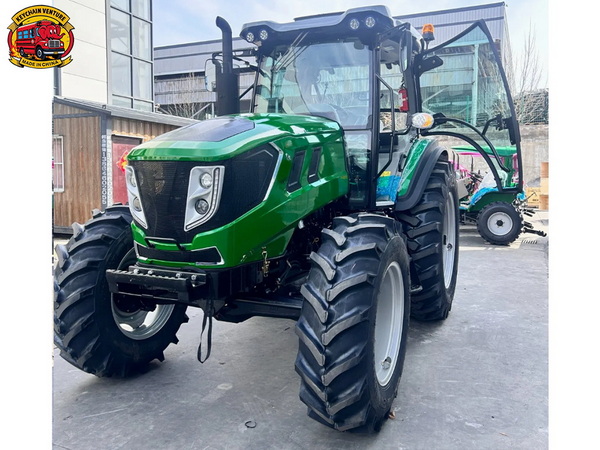
The right tractor—new or used—depends largely on your workload and the size and topography of your land. Larger farms may need high-horsepower machines to cover more ground efficiently, while smaller operations can often manage with compact or utility tractors.
- Horsepower: Investing in a tractor with ample horsepower is crucial. It's better to have a machine that slightly exceeds your power needs than one that struggles.
- Attachments: Consider what implements your tractor will use—plows, loaders, mowers, or snow blowers—and ensure compatibility.
- Tires and Tracks: Different soil types and operations require specialized tires or tracks for optimal traction and reduced soil damage.
Whether buying new or used, assess the availability of maintenance services and spare parts. Easy access to parts and professional service providers minimizes downtime and repair costs.
Buying a used tractor can be rewarding but comes with risks. Here are practical tips for minimizing those risks:
- Thorough Inspection: Check engine compression, transmission operation, hydraulic systems, and electrical components firsthand or with expert assistance.
- Maintenance Records: Demand full service histories to ensure proper upkeep.
- Test Drive: Operate the tractor under typical working conditions to identify unusual noises, vibrations, or operational issues.
- Seller Reputation: Purchase from trusted dealers or verified private sellers who offer transparency.
- After-Sale Support: Confirm parts availability and warranty or return policies if applicable.
While the initial sticker price heavily favors used tractors, total cost of ownership must include fuel, repairs, downtime, depreciation, financing, and insurance. Understanding these factors is key:
- New tractors tend to have higher acquisition costs but lower initial maintenance and fuel expenses.
- Used tractors are cheaper up front but can incur higher maintenance and repair costs, especially if older or poorly maintained.
Deciding whether to buy a new or used tractor depends on balancing your budget, workload, risk tolerance, and operational priorities. New tractors offer advanced technology, warranties, and reliability with a higher price tag and depreciation risk. Used tractors provide affordable access and proven machinery but require careful inspection and acceptance of higher maintenance demands.
For those considering used tractors, it's essential to conduct thorough inspections, verify maintenance histories, and purchase from reputable sources to ensure a valuable investment. New tractor buyers should consider warranty terms and operational needs to maximize their tractor's long-term return.
Ultimately, both new and used tractors can deliver high performance and value when matched with your farming or commercial goals.
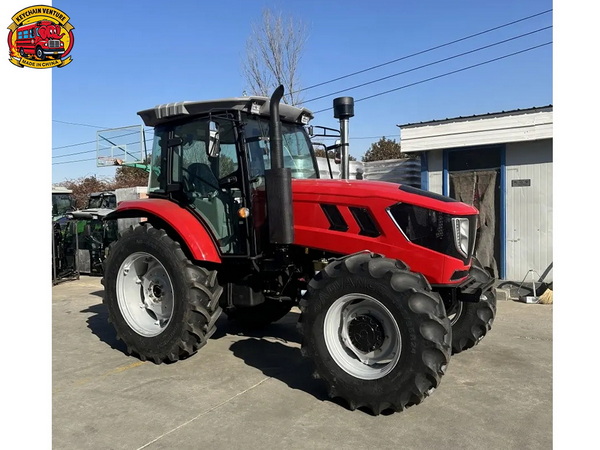
Key check points include engine performance, transmission, hydraulics, tires, and electronics. Reviewing maintenance records and conducting a test drive under load are essential steps to avoid costly surprises.[11][12]
Choosing a tractor with appropriate horsepower for your tasks ensures efficiency and prevents strain on the engine. It's recommended to select a model with slightly more power than your minimum needs to accommodate future workload increases.[3][4]
Most used tractors do not come with manufacturer warranties, though some dealers may offer limited warranties or service contracts. New tractors typically come with comprehensive warranties, reducing repair risks during early ownership.[4][13]
Used tractors generally lack the latest fuel-saving technologies, leading to higher fuel consumption compared to new models that comply with modern environmental standards. However, well-maintained used tractors can still offer reasonable efficiency.[13][14]
Financing options for used tractors are available but may have higher interest rates or stricter terms than new tractor loans. It's advisable to shop around for the best financing deals and ensure affordability within your budget.[2][15]
[1](https://www.purplewave.com/blog/tractor-buying-guide)
[2](https://abetter.bid/blog/buying-a-tractor-made-easy-with-this-complete-guide)
[3](https://www.teamtractor.com/blog/how-to-pick-the-right-tractor-and-tools-for-your-land---the-tractor-buyers-guide--1468)
[4](https://www.holtags.com/blog/guide-to-buying-a-new-tractor/)
[5](https://www.fwi.co.uk/machinery/tractors/ultimate-guide-to-buying-a-tractor-2025)
[6](https://www.grit.com/tools/machinery/tractors/best-compact-tractor-for-small-farm-zb0z2205/)
[7](https://www.hobbyfarms.com/tractor-shopping-guide-2/)
[8](https://www.agmanager.info/sites/default/files/OwnTractor.pdf)
[9](https://hixenmachinery.com/the-ultimate-guide-to-buying-a-new-tractor/)
[10](https://www.newsouthtractor.com/blog/tractor-buying-guide--50515)
[11](https://agritec.bg/en/pros-cons-buying-used-tractor)
[12](https://www.zieglerag.com/resources/the-pros-and-cons-of-buying-a-used-tractor-trusted-quality/)
[13](https://www.yanmartractor.com/resources/tractor-tips/should-i-buy-a-new-or-used-tractor/)
[14](https://cropilots.com/new-vs-used-farm-tractors-roi/)
[15](https://www.keychainventure.com/products/Tractor.html)