
Views: 222 Author: Amanda Publish Time: 2025-08-20 Origin: Site


Content Menu
● Introduction to Tractor Buying
● Advantages of Buying a New Tractor
>> 1. Latest Technology and Features
>> 2. Full Manufacturer Warranty
>> 4. Financing and Incentives
>> 5. Extended Service Intervals and Efficiency
● Advantages of Buying a Used Tractor
● Key Factors to Consider When Choosing Between New and Used
>> Maintenance Capacity and Support
>> Brand and Model Preferences
>> Resale Value and Depreciation
>> Environmental Regulations and Compliance
● How to Inspect a Used Tractor Before Buying
>> 3. Transmission and Hydraulics
>> 5. Service Records and History
● Maintenance and Warranty Considerations
● Cost Comparison: New vs. Used Tractor
● Environmental and Sustainability Impacts
● FAQs
>> 1. How long do used tractors typically last?
>> 2. Are used tractors reliable for heavy-duty work?
>> 3. Can I get a warranty on a used tractor?
>> 4. What is the best way to finance a used tractor?
>> 5. How can I verify the quality of a used tractor online?
When it comes to purchasing a tractor for commercial or personal use, one of the biggest decisions is whether to buy a new or used tractor. This choice impacts budget, performance, maintenance, and long-term value. For businesses like commercial vehicle suppliers or farming operations, selecting the right tractor can significantly influence operational efficiency and cost management.
In this article, we will explore the pros and cons of new versus used tractors, key factors to consider before purchasing, and practical advice to help you make an informed decision.
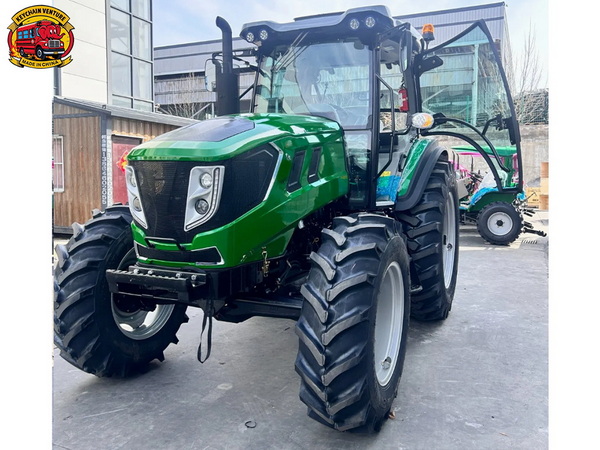
Choosing the right tractor is a crucial decision for anyone involved in agriculture, construction, or commercial vehicle applications. Tractors come in a range of models and configurations—from compact tractors used for lawn and garden work to powerful heavy-duty machines built for demanding industrial tasks.
For commercial vehicle suppliers such as KeyChain Venture Co., Ltd., providing comprehensive solutions means understanding the nuances between new and used tractors. Buyers often ask: Is it more cost-effective to go with a used tractor? Or should I invest in a new model for the latest features and reliability?
Purchasing a new tractor offers several benefits that appeal to buyers seeking reliability and technology.
New tractors incorporate advanced technologies like GPS guidance, automated controls, fuel efficiency improvements, and enhanced operator comfort. These modern features can increase productivity and make complex operations easier to manage.
For example, precision farming technology in new tractors allows operators to optimize seed planting, fertilizing, and harvesting, reducing resource wastage and increasing yields. This level of integration is usually unavailable or outdated in used tractors.
New tractors come with full warranty coverage, protecting buyers against unexpected defects or repairs during the initial years. This warranty provides peace of mind and lowers the risk of incurring significant maintenance costs soon after purchase. Should a major component fail, repairs are typically covered without additional cost.
When buying new, you can often customize configurations—engine size, attachments, transmission types, and cab designs—to fit your exact operational needs. This tailored approach ensures you get the optimal tractor for your business. For instance, you could specify the hydraulic system type or seating arrangement to maximize comfort on long hours.
Manufacturers and dealers typically offer financing packages and seasonal incentives for new tractors, potentially easing upfront financial burden through low-interest loans or deferred payment plans. Some agricultural programs or government subsidies are also geared toward supporting new equipment purchases.
New tractors are often designed with longer service intervals, meaning less frequent maintenance downtime. They also generally feature better fuel economy and lower emissions than older models, which can reduce operational costs over the tractor's lifespan.
While new tractors have their merits, used tractors hold undeniable appeal, especially for cost-conscious buyers.
The most significant benefit of buying a used tractor is the lower price compared to new models. Used tractors can cost 30%-50% less, enabling businesses to allocate budgets to other critical areas such as attachments or infrastructure.
Especially for small-scale farmers or startups, investing in a used tractor can make advanced machinery accessible without exhausting capital.
New tractors depreciate rapidly, often losing 20%-30% of value within the first year. A used tractor has already undergone this initial depreciation, making it more stable in value over time. This can be beneficial if you plan to resell the tractor later or trade it in after some years.
Because tractors have long service lives, there is a large inventory of used models available worldwide, providing a broader selection in terms of brands, sizes, and models suited to different tasks. Some specific models known for durability can be found readily in used markets, sometimes even with attachments included.
Well-maintained used tractors from reputable sellers often have demonstrated operational reliability. Buyers equipped with the right knowledge and inspection guidelines can find machines that are "as good as new" but at a fraction of the cost.
Many used tractors have had their initial issues resolved and are often upgraded or maintained by experienced owners, making them trustworthy for continued use.
New tractor delivery can sometimes take months due to manufacturing lead times and supply chain delays. Used tractors are usually available for immediate purchase and quick deployment, which can be critical for seasonal work or urgent needs.
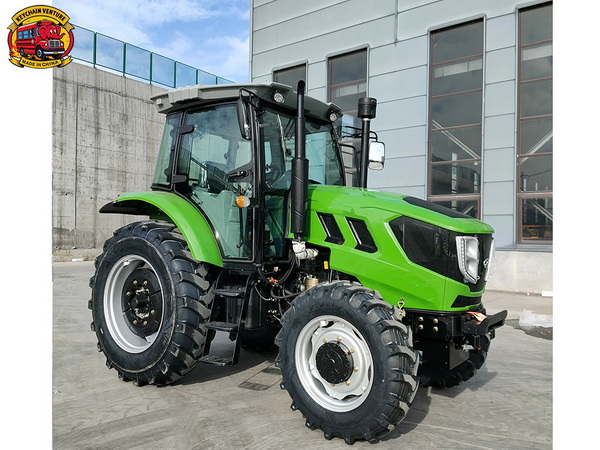
Deciding whether to buy a new or used tractor depends on multiple considerations that vary by buyer and usage.
Heavy-duty, high-frequency jobs generally justify investing in new tractors that can handle stress with less downtime. For occasional or lighter tasks, a used tractor may suffice economically. Knowing your exact daily or seasonal workload will help narrow down needs.
The available capital and financing options heavily influence whether new or used tractors are feasible. Factor in not just upfront costs but expected maintenance expenditure over time. Also, consider the total cost of ownership rather than purchase price alone.
If your operation has skilled mechanics or access to high-quality maintenance, a used tractor is more viable. Lack of maintenance resources favors new tractors under warranty, which come with included service plans.
Some buyers prefer specific brands or models, which may only be available used or at prohibitive prices new. Some manufacturers discontinue certain models, making their used versions rare but reliable.
New tractors typically depreciate fast initially, while used ones hold value longer, impacting long-term asset management. Consider how long you plan to keep the tractor and estimate potential resale income.
Depending on your location, environmental emissions regulations may restrict the use of older tractors. New tractors usually meet stricter standards, which can influence eligibility for subsidies or operational permits.
Evaluating a used tractor requires careful inspection to avoid hidden problems. A thorough inspection reduces risks and ensures better value.
Look for signs of rust, wear, oil leaks, and damaged parts. Check tires for tread depth and cracking. Inspect hydraulic lines for brittleness or leakage. Examine the tractor's frame and undercarriage for any cracks or structural damage.
Listen for unusual noises like knocking or grinding, which can indicate engine problems. Check exhaust smoke color — blue or black smoke may suggest oil burning or incomplete combustion. Observe if the engine starts smoothly without excessive cranking or smoke.
Test clutch and gear shifts for smoothness, absence of slipping, and proper engagement. Ensure hydraulic functions respond properly, with no delays or uneven pressure. Check for visible leaks around hydraulic cylinders.
Operate the tractor under real conditions, such as pulling attachments or driving on varied terrain. Assess responsiveness, power output, brake effectiveness, and steering precision. Ensure that controls and gauges on the dashboard function correctly.
Request full maintenance history and verify any previous repairs, part replacements, or accidents. Confirm hours of operation and compare with typical usage benchmarks for the model.
If you are not confident in assessing technical issues, consider hiring a professional technician for a pre-purchase inspection.
Maintenance is a key differentiator for new versus used tractors.
- New Tractors: Covered by manufacturer warranties, often including free scheduled service for a limited period. Support and spare parts are generally available directly from dealerships.
- Used Tractors: May require immediate repairs or replacement parts. Buyers should budget for inspections, servicing, and possible upgrades such as new tires, filters, or hydraulic seals. Availability of parts can vary widely depending on model age and brand.
Having an in-house maintenance team or partnership with local service centers can make used tractor ownership practical and cost-effective. Additionally, some dealers offer certified used tractors with limited warranties for added security.
Tractor pricing varies by brand, model, age, and condition. Below is a summary comparison:
| Factor | New Tractor | Used Tractor |
|---|---|---|
| Purchase Price | High (baseline MSRP) | 30%-50% lower than new |
| Depreciation | Rapid initial depreciation | Slower depreciation |
| Maintenance Cost | Lower (under warranty) | Potentially higher |
| Financing Options | Usually available | Less common, varies |
| Operational Reliability | Guaranteed by warranty | Depends on condition |
| Technology & Features | Latest features | More basic or outdated |
| Immediate Availability | Lead time required | Usually immediately available |
Considering total cost of ownership, many buyers find used tractors to be a smart investment, especially when thoroughly inspected and maintained.
Buying a used tractor also reduces environmental impact by extending the machine's life cycle and reducing manufacturing energy consumption. For companies prioritizing sustainability, this is an important factor.
New tractors tend to be more fuel-efficient and meet stricter emissions standards. However, the carbon footprint of producing a new tractor is significant compared to reusing an existing machine. Thus, from an ecological perspective, refurbished or well-maintained used tractors benefit a circular economy and reduce material waste.
Used tractors can be purchased through several channels:
- Dealer Outlets Specializing in Pre-Owned Equipment: Reputable dealers often offer inspected, certified used tractors with some warranty.
- Online Marketplaces: Platforms dedicated to agricultural machinery provide extensive listings from private sellers and dealers worldwide.
- Auction Houses: Tractor auctions can offer competitive prices but require careful bidding strategies.
- Private Sellers: Equipment owners occasionally sell tractors directly, often well-maintained, but buyers should perform due diligence.
Always prioritize buying from reputable sources that provide service history documentation and inspection guarantees. If possible, visit the tractor in person or arrange for a third-party inspection before purchase.
Deciding whether to buy a new or used tractor depends largely on your operational requirements, budget, and maintenance capabilities. While new tractors offer advanced features, warranties, and peace of mind, used tractors provide substantial cost savings, reduced depreciation, and environmental benefits.
For businesses seeking cost-effective, high-performance solutions, a used tractor often represents a practical and strategic choice. Thorough inspection, reliable service records, and purchasing from trusted vendors are critical to maximizing the benefit of buying used. Ultimately, understanding your unique needs and carefully weighing the pros and cons will enable you to select the best tractor for your business.
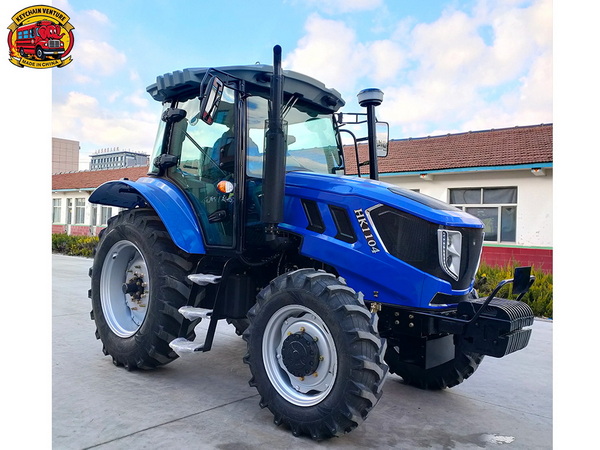
Used tractors can last 10-20 years or more with proper maintenance. Lifespan depends on usage intensity, model, and service history.
Yes, if inspected properly and maintained, many used tractors perform reliably even in heavy-duty applications. Choosing reputable sellers and conducting thorough checks is key.
Some dealers offer limited warranties on used tractors, especially certified pre-owned units. It is best to inquire about warranty terms before purchase.
Financing options include bank loans, dealer financing, or leasing. Terms vary by lender, so buyers should shop for the best rates and conditions.
Request detailed photos, full service records, and third-party inspections if buying remotely. Look for seller reviews and reputation to avoid scams.


