
Views: 222 Author: Amanda Publish Time: 2025-08-21 Origin: Site


Content Menu
● Introduction to Excavator Rust Junkyards
● Benefits of Using a Used Excavator Rust Junkyard
● Steps for Utilizing an Excavator Rust Junkyard Effectively
>> Step 1: Research and Build Relationships with Trusted Junkyards
>> Step 2: Personal Inspection and Evaluation
>> Step 3: Catalog and Prioritize Parts for Salvage
>> Step 4: Price Negotiation and Logistics Planning
>> Step 5: Refurbishment and Reuse
● How to Identify Valuable Parts in Used Excavators
● Refurbishment and Reuse: Repairing Components From Rust Junkyards
>> Non-Destructive Testing (NDT)
>> Protective Coating and Painting
● Environmental and Economic Impacts of Using Rust Junkyards
● Safety Considerations When Handling Used Excavator Parts
● Practical Advice: Maximizing Use of a Used Excavator Rust Junkyard
>> 1. What exactly is a used excavator rust junkyard?
>> 2. How can you ensure parts from a rust junkyard are safe to use?
>> 3. Are there specific parts of a used excavator more suitable for salvage?
>> 4. What are the environmental benefits of using parts from rust junkyards?
>> 5. Is refurbishing parts from rust junkyards labor-intensive?
In the modern commercial vehicle and heavy machinery industry, efficient resource utilization and cost-effective maintenance are crucial pillars for sustained business success. For companies such as KeyChain Venture Co., Ltd., a leading Chinese supplier dedicated to providing high-performance bus and heavy-duty truck solutions domestically and internationally, leveraging every opportunity to optimize expenses while maintaining quality is vital. One of the often overlooked yet immensely valuable resources lies in the used excavator rust junkyard.
At first glance, an excavator rust junkyard may look like just a graveyard of obsolete, corroded machines destined for disposal. However, with proper understanding and approach, this scrap repository transforms into a treasure trove. This article will explore how to effectively use an excavator rust junkyard—covering everything from identifying valuable components and refurbishment techniques to safety practices and the broader ecological and economic benefits. The comprehensive insights provided here are tailored for professionals, engineering teams, maintenance operators, and anyone interested in maximizing value from used excavator assets.
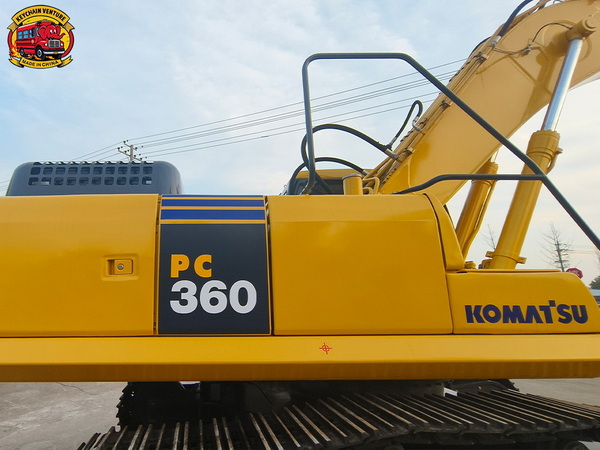
Excavators, fundamental to construction, mining, and infrastructure development, eventually reach the end of their operational lives or incur damage that makes repair uneconomical. These machines often end up isolated in rust junkyards—storage locations crowded with thousands of scrapped or damaged parts left to corrode. However, many components inside these rusted hulks remain salvageable, capable of being reused or repurposed.
In the context of used excavators, rust junkyards provide an opportunity to access parts and materials that often are expensive, discontinued, or slow to procure through traditional OEM supply chains. Facilities, workshops, and companies in the commercial vehicle domain can thus significantly cut maintenance costs by sourcing from these junkyards.
Choosing to utilize parts or materials from a rust junkyard comes with notable advantages:
- Cost Efficiency: Spare parts from rust junkyards are priced substantially lower than brand-new OEM equipment, enabling budget-friendly repairs.
- Immediate Access: For many wear items or hard-to-find parts, junkyards can provide immediate availability compared to long wait times for new component delivery.
- Sustainability: Salvaging extends the lifecycle of materials, reduces the need for raw material extraction, and limits landfill waste.
- Access to Obsolete Parts: Older excavator models may no longer have new replacement parts available, making junkyards the only viable source.
- Innovation Opportunities: Parts retrieved from rust junkyards allow engineers and technicians to analyze wear patterns and develop custom aftermarket solutions or improvements.
Start by identifying reputable rust junkyards that specialize in heavy equipment and specifically used excavators. Networking through industry contacts, trade shows, and online machinery marketplaces can help find reliable sources. Building a trusted supplier relationship ensures access to quality parts and consistent inventory updates.
Visiting junkyards in person is crucial. Rust levels vary widely; components just lightly corroded can often be restored. Use thorough visual and manual inspections to check the physical integrity of parts. Bring along technical drawings or OEM specifications to compare dimensions and compatibility. Bring a magnet, calipers, and thickness gauges if possible to check for metal loss or structural weaknesses.
Make an inventory list of desirable parts such as hydraulic cylinders, undercarriage rollers, tracks, engines, electrical components, and attachment accessories. Prioritize parts that are in the best condition and most urgently needed to maximize utility and minimize refurbishment workload.
Negotiate prices based on the condition, rarity, and quantity of parts. Factor in transportation costs, since moving heavy equipment components requires special handling. Arrange for cranes, forklifts, or flatbed trucks when procuring bulky assemblies.
Before installing salvaged parts, a thorough refurbishment process is essential to ensure performance and safety. A combination of cleaning, repair, and testing optimizes durability and functionality.
Extracting value from rust junkyards depends heavily on selecting parts that lend themselves to refurbishment or immediate reuse.
- Undercarriage Components: Parts such as tracks, rollers, sprockets, and idlers are designed for wear and often survive rust better than more sensitive components. Their metal cores are usually intact and rebuildable with new bushings and seals.
- Hydraulic Cylinders and Pumps: These can withstand exposure but require hydraulic pressure and seal integrity tests to confirm usability. Cylinders with minor corrosion can be rebushed, resealed, and tested.
- Engine and Powertrain Parts: Pistons, camshafts, crankshafts, and gearboxes from used excavators often exhibit wear but can be rebuilt by machining or replacement of consumables.
- Attachments: Buckets and quick couplers tend to survive with minimal corrosion. Their heavy-duty steel construction makes them ideal for reuse after rust and minor dents repair.
- Electrical and Sensor Units: These need careful examination for wires, connectors, and circuit board damage but components in dry storage sections can still be functional.
Refurbishment is the linchpin that turns rust junkyard parts into reliable components.
Industrial degreasers and chemical rust removers are typically first employed. Sandblasting or wire brushing removes surface corrosion and decay. Proper cleaning restores the metal base allowing for accurate inspection.
Methods like ultrasonic testing, magnetic particle inspection, or dye penetrant testing detect internal cracks or faults invisible to the naked eye, crucial for safety-critical components.
Replace seals, bushings, hoses, or bearings. Machine worn surfaces to restore tolerances. Refurbishment shops may weld and fabricate replacement components where feasible.
After repairs, applying industrial-grade anti-corrosion primers and paints protects the metal surface from future rust, extending part life upon reinstallation.
Leveraging parts from used excavator rust junkyards aligns directly with global sustainability goals and responsible manufacturing practices.
- Reduction of Landfill Waste: Redirecting heavy machinery parts from disposal reduces environmental burden.
- Conservation of Raw Materials: Salvaging metals lowers demand on mining, decreasing ecosystem disruption.
- Lower Energy Footprint: Manufacturing new heavy-duty parts requires significant energy, whereas refurbishing existing materials consumes less.
- Promoting Circular Economy: Reuse and recycling closing the loop in industrial material flow contribute to long-term economic resilience.
From a business standpoint, cost savings improve margins on vehicle and machine maintenance, while environmentally conscious customers increasingly demand green credentials, giving companies like KeyChain Venture Co., Ltd. a competitive edge.
Rust junkyards carry inherent risks. Observing strict safety protocols is mandatory.
- Personal Protective Equipment (PPE): Use gloves resistant to cuts and chemicals, dust masks against airborne particulates, safety goggles, and steel-toed boots.
- Handling Structural Weakness: Corroded machinery may collapse or break unexpectedly; avoid undue stress or weight application.
- Use of Proper Tools and Equipment: Hydraulic lifts, forklifts, and cranes must be rated for the weight and condition of heavy components.
- Ventilation: When cleaning or painting, ensure good air circulation to avoid inhalation of toxic fumes.
- Electrical Caution: Handling wires, sensors, and control units may involve residual charges or short-circuits; test beforehand.
- Develop a checklist targeting recurring maintenance needs that can be fulfilled with junkyard parts.
- Train maintenance teams on dismantling, refurbishment, and testing procedures to reduce dependency on outside repair shops.
- Establish protocols for traceability of parts sourced from junkyards to ensure warranty and liability management.
- Partner with local rust junkyards to reserve or custom order specific excavator parts.
- Explore integrating refurbished parts into rental or secondary fleets to maximize return on investment.
The excavator rust junkyard embodies an underestimated resource in the heavy machinery ecosystem. For companies like KeyChain Venture Co., Ltd., and others engaged in commercial vehicle manufacturing or repair, strategically utilizing parts from used excavators in rust junkyards offers substantial advantages. From cost savings, immediate availability of parts, and support for obsolete models to contributing significantly to environmental sustainability, the benefits are multi-faceted.
By applying systematic inspection, refurbishment, and strict safety standards, industry practitioners can transform seemingly worthless rusted machines into reliable assets, extending excavator lifecycles and enhancing operational efficiency. As global industry moves toward circular economies and greener practices, mastering the use of excavator rust junkyards becomes not only an economic decision but a strategic imperative for future-proof manufacturing and maintenance operations.
It is a facility or site where old, non-operational, or heavily worn excavators are stored, often in varying stages of rust and decay. This site serves as a source for salvaging reusable parts or recycling materials.
Thorough visual inspection combined with non-destructive testing methods can identify cracks or severe deterioration. Refurbishment processes including cleaning, repair, and testing must be conducted before installation.
Yes. Undercarriage components, attachments, and certain hydraulic parts generally withstand corrosion best and can be refurbished more easily than electronic or delicate components.
Reuse reduces demand for raw material extraction, minimizes waste sent to landfills, lowers the carbon footprint linked to manufacturing new parts, and promotes a circular economy within the heavy machinery sector.
Refurbishing can require specialized skills and equipment, but with proper training and facilities, it becomes cost-effective and significantly extends part and machine lifespans.


