


Content Menu
● Key Components of an Excavator
● How to Start and Operate an Excavator
>> Entering and Sitting in the Cab
● Using a Used Excavator: What to Consider
● Maintenance and Troubleshooting
● Advanced Operating Tips for Productivity
● Safety Tips for Excavator Operators
● Environmental Considerations When Using an Excavator
● FAQ
>> 1. What should I inspect when buying a used excavator?
>> 2. How often should I perform maintenance on an excavator?
>> 3. Can I use a used excavator for heavy-duty projects?
>> 4. What are the most important safety practices when using an excavator?
>> 5. How can I improve my excavating skills as a beginner?
Excavators are among the most versatile and essential machines in construction, mining, forestry, and various other industries. Whether you are a seasoned operator or considering purchasing a used excavator for your project, understanding how to properly use this powerful equipment is crucial. This comprehensive guide explores everything you need to know about operating an excavator safely and efficiently, with key insights on used excavators, maintenance tips, and best practices to get the most productivity from your machinery.
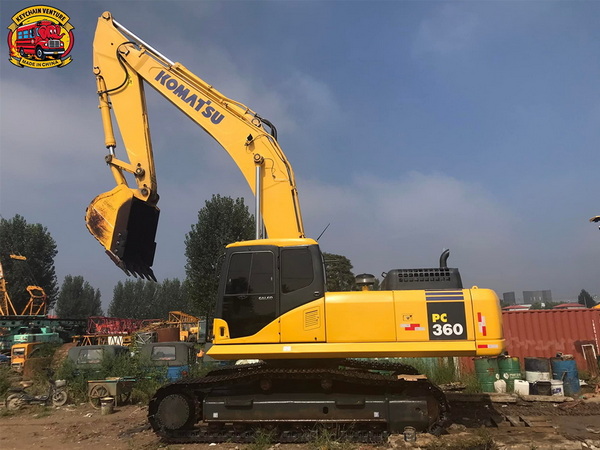
Excavators are heavy construction machines equipped with a boom, stick, bucket, and cab mounted on a rotating platform. They perform tasks like digging trenches, foundations, demolition, material handling, and grading. As a company specializing in high-performance commercial vehicles, KeyChain Venture Co., Ltd. understands the value of using excavators effectively to ensure job site efficiency and safety.
Used excavators, in particular, offer excellent value for companies and contractors who need capable machinery without the high cost of new equipment. However, using a used excavator requires extra preparation and knowledge to ensure reliability and safety.
Excavators come in several types, each suited for specific tasks:
- Crawler Excavators: These have tracks for stability on rough or muddy terrains. Ideal for heavy-duty digging and demolition.
- Wheeled Excavators: More mobile on paved surfaces, suitable for urban projects requiring quick repositioning.
- Mini Excavators: Compact and versatile, great for small-scale projects or tight spaces.
- Long Reach Excavators: Extended boom and arm provide greater reach for deep or wide digging applications.
Understanding which type of excavator fits your project is the first step toward efficient operation.
Before learning how to use an excavator, it's important to familiarize yourself with its main parts:
- Cab: Operator's seat and control center.
- Boom: The primary arm that extends outward.
- Stick (Dipper Arm): Connected to the boom and moves the bucket.
- Bucket: The attachment used for digging or lifting materials. Several types exist for different tasks.
- Undercarriage: Tracks or wheels that support and move the machine.
- Hydraulic System: Powers the arm, boom, and bucket movements.
Understanding these components helps you appreciate how each contributes to the excavator's performance.
Before starting an excavator, perform thorough safety inspections:
- Check fluid levels: engine oil, coolant, hydraulic fluid.
- Inspect the undercarriage, tracks, and rollers for damage or wear.
- Test controls, including joystick movements and safety locks.
- Verify that all lights and alarms are operational.
- Ensure the worksite is clear of obstacles and personnel.
- Confirm all windows and mirrors are clean for optimal visibility.
Performing these checks helps avoid mechanical failures and accidents during excavation.
Use three points of contact when entering the cab to avoid falls. Adjust the seat and mirrors for comfort and visibility.
Insert the key and turn it to start the engine. Allow the machine to warm up for a few minutes to ensure hydraulic oil circulation reaches optimal temperature and to prevent undue wear.
Excavators typically have dual joystick controls:
- The left joystick controls the boom's up/down motion and the cab's left/right swing.
- The right joystick manages the stick's in/out movement and the bucket's curl (open/close).
Foot pedals or levers drive the machine forward or backward.
Familiarizing yourself with your specific model's layout is critical since configurations can vary.
Before starting heavy digging, practice moving the boom, stick, and bucket slowly to develop smooth, coordinated control. Jerky or abrupt movements can cause instability and reduce precision.
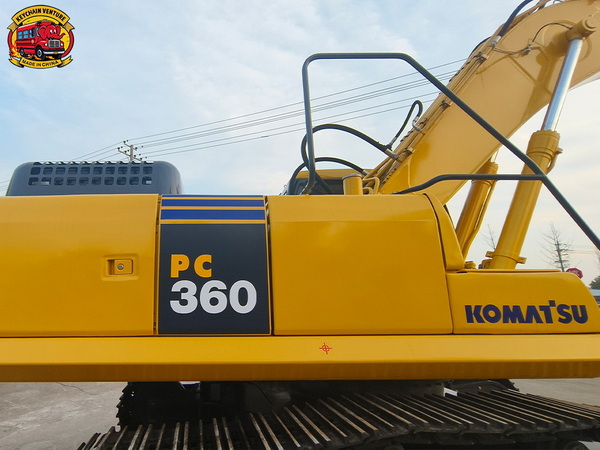
Excavating soil with an excavator involves several fundamental steps:
- Digging a Trench: Position the bucket's cutting edge against the soil. Curl the bucket while simultaneously pulling the stick and boom toward the machine to scoop the earth.
- Backfilling: Use the bucket to carefully push soil back into trenches or holes. Avoid overfilling or dropping large clumps that could cause settling later.
- Loading Trucks: Swing the cab toward the dump truck, extend the arm, and tip the bucket to unload excavated material. Be mindful of weight limits to avoid tipping hazards.
- Grading and Leveling: Use the bucket's edge and arm movement to smooth surfaces, ensuring proper slope and contouring for drainage and foundation stability.
Mastering these basic techniques is essential for maximizing the productivity and quality of excavation work.
Purchasing a used excavator is an economical choice but requires additional due diligence to avoid costly mistakes:
- Inspect the Machine's History: Obtain the service records and previous usage details to assess wear and tear. Verify that essential maintenance was completed on schedule.
- Evaluate Hydraulic Systems: Check for oil leaks, inspect hoses and cylinders for damage, and test system responsiveness. Hydraulic failures are common and costly.
- Test Engine Performance: Listen for unusual sounds such as knocking or excessive smoke, which may indicate engine problems.
- Check Undercarriage Wear: Tracks, rollers, sprockets, and idlers wear over time and are expensive to replace. Inspect tread depth and look for cracks or deformation.
- Trial Run: Operate the machine through all control functions to ensure smooth, responsive operation. Test the swing, boom, stick, bucket, travel functions, and brakes.
KeyChain Venture Co., Ltd. advises clients to enlist professional inspectors when buying used excavators to ensure a sound purchase and long-term reliability.
Proper maintenance not only prolongs your excavator's life but also prevents costly breakdowns and downtime:
- Change oil and filters regularly according to manufacturer guidelines or after about every 250 operational hours.
- Grease all pivot points like pins and bushings weekly to prevent wear.
- Check and tighten loose bolts to avoid structural damage.
- Inspect and repair hydraulic lines promptly after detecting leaks to maintain system pressure.
- Clean radiators and air filters frequently to prevent overheating and engine performance loss.
- Use onboard diagnostic tools or external monitors to identify and address electronic or mechanical faults early.
Common Troubleshooting Situations:
- Hydraulic leaks or slow response: Usually caused by worn seals or contamination; immediate repair is essential.
- Engine stalls or hard starts: Could stem from dirty fuel filters, air intake blockages, or sensor faults.
- Track misalignment or unusual wear: Often due to terrain damage or improper tension adjustment, requiring track realignment or replacement.
For operators looking to enhance job efficiency, consider these tips:
- Plan Your Worksite Movements: Minimize unnecessary swinging and repositioning to save fuel and time. Position the excavator to dig and load with minimal travel.
- Use Appropriate Attachments: Different buckets (e.g., digging, trenching, grading), hydraulic breakers, or grapples increase task flexibility. Ensure your used excavator's hydraulic system supports these tools.
- Maintain a Smooth Rhythm: Fluid, steady movements reduce fuel use, lower wear, and improve operator comfort.
- Leverage Technology: Modern excavators often have GPS and grade control systems to assist in precise digging and leveling, which can be retrofitted in some used models.
Safety should always be your top priority:
- Wear all necessary personal protective equipment (PPE), such as helmets, high-visibility vests, gloves, and steel-toed boots.
- Survey the worksite for overhead power lines, underground utilities, or unstable ground that may create hazards.
- Use a spotter when maneuvering in tight or crowded areas to prevent collisions or accidents.
- Never overload the bucket beyond the manufacturer's capacity; overloads can cause tipping or damage.
- Shut down and secure the excavator before leaving the cab, including lowering the boom to the ground and engaging parking brakes.
Regular training and adherence to safety protocols dramatically reduce accident risks.
Incorporating environmental responsibility into excavation work is increasingly important:
- Avoid unnecessary ground disturbance to prevent soil erosion.
- Use biodegradable hydraulic fluids when possible to reduce environmental impact if leaks occur.
- Implement proper erosion control measures around the site, such as silt fences or sediment basins.
- Consider machine idling time and fuel-efficient operation practices to reduce emissions.
- Follow regulations regarding disposal of excavated material and preventing contamination of nearby water bodies.
Used excavators can also be part of sustainable construction when properly maintained and updated to meet emission standards.
Mastering how to use an excavator is essential for any construction or industrial project involving earth moving. Whether you are operating a brand-new or a used excavator, understanding the mechanics, controls, and safety protocols ensures efficient and safe operations. Proper pre-operation checks, smooth handling of controls, routine maintenance, and adherence to safety guidelines not only prolong the life of your excavator but also maximize productivity.
KeyChain Venture Co., Ltd. is dedicated to helping clients find high-performance excavators and commercial vehicles tailored to demanding project environments. With the right knowledge and preparation, a used excavator can be a highly reliable and cost-effective asset, enabling the successful completion of even the most challenging construction tasks.
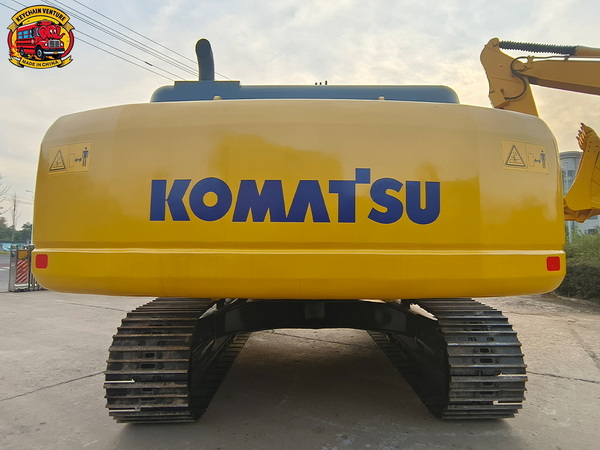
Check hydraulic systems for leaks, undercarriage wear, engine performance, and service history to ensure the used excavator is in good condition.
Maintenance frequency depends on usage, but generally, oil and filter changes occur every 250 operational hours, greasing weekly, and thorough inspections monthly.
Yes, if the used excavator is well-maintained and correctly matched to the project's requirements, it can reliably perform heavy-duty tasks.
Wear appropriate PPE, avoid overhead obstacles, use spotters in tight areas, follow load limits, and never leave the machine running unattended.
Start with slow, controlled movements practicing basic digging and swinging. Professional operator training can help develop skill, safety awareness, and machine understanding.


