


Content Menu
● Understanding the Market for Used Tractors
● Preparing Your Used Tractor for Sale
>> Mechanical Inspection and Repairs
● Pricing Your Used Tractor Effectively
>> Competitive Pricing Strategy
>> Crafting a Detailed Description
● Negotiating and Closing the Sale
● FAQ
>> 1. How do I determine the best price to sell my used tractor?
>> 2. What maintenance should be completed before selling a used tractor?
>> 3. Should I create a video to sell my used tractor?
>> 4. Where can I list my used tractor for sale?
>> 5. What legal documents are necessary for selling a used tractor?
Selling a used tractor can be a profitable and rewarding venture if approached correctly. Whether you are a commercial supplier like KeyChain Venture Co., Ltd., providing high-performance bus and heavy truck solutions to domestic and international clients, or an individual farmer looking to upgrade your machinery, knowing how to sell a used tractor effectively is essential. This comprehensive guide offers step-by-step instructions covering everything from understanding the market to closing the sale. We also include visual and video preparation tips to help you showcase your tractor's value and attract serious buyers.
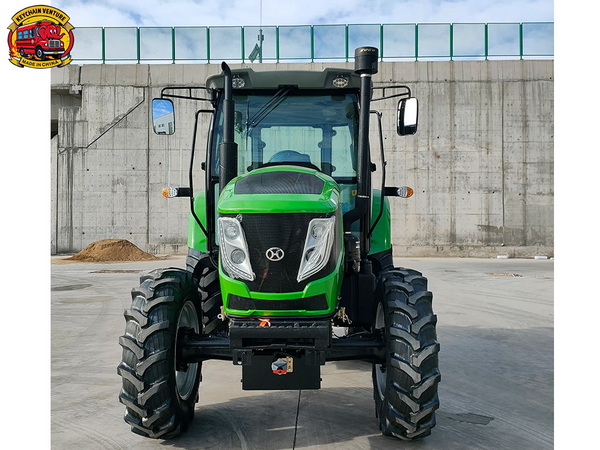
Before listing your used tractor, gaining insight into the current market is critical. The market for used tractors is shaped by several influencing factors, including agricultural seasons, economic conditions, technological advancements, and the demand in different regions.
Throughout the year, demand tends to fluctuate: the planting season in spring and summer normally sees a surge in the need for used tractors. Additionally, changes in farming practices like a focus on sustainability and fuel efficiency can shift the types of tractors buyers seek. For commercial suppliers, understanding the variations in demand between domestic and international customers is key to pricing and marketing your equipment appropriately.
When researching, examine recent sales data on credible trade platforms and agricultural equipment auctions. Monitor what types of used tractors are in demand—whether farmers seek high-horsepower models, multi-functional tractors, or cost-effective options for small-scale farming. This knowledge will position you to market your tractor effectively and avoid undervaluing or overpricing it.
Preparation is a cornerstone of successful selling. A well-maintained, clean tractor with all supporting documentation creates a better impression and can command a higher price.
A clean tractor immediately signals to the buyer that you take care of your machinery. Begin with washing the exterior, removing dirt, oil spots, and rust stains. Clean the cabin thoroughly: wipe down controls, replace or clean floor mats, and ensure windows and mirrors are spotless.
Pay particular attention to visible mechanical components such as the engine bay, hydraulic systems, and tires. A clean engine not only looks good but allows prospective buyers to inspect for leaks or damage more easily.
Perform a full mechanical inspection or have a professional technician evaluate the tractor. Focus on key components crucial to the tractor's operation and longevity, including:
- Engine health: Check compression, oil pressure, and listen for unusual noises.
- Transmission: Ensure smooth shifting and no signs of slipping.
- Hydraulics: Test hydraulic lift and attachments for leaks and proper function.
- Brakes and clutch: Confirm responsiveness and absence of excessive wear.
- Electrical system: Inspect lights, gauges, and starter motor.
Address any minor repairs that could increase buyer confidence, such as replacing worn hoses or leaking seals. However, avoid overinvesting in extensive repairs that may not provide a good return on investment.
Compile a full dossier of documents. Include:
- Service records showing regular maintenance and repairs
- Original manuals and operator guides
- Warranty information if transferable
- Proof of ownership and registration papers
Clear and organized documentation can differentiate your listing, easing the buyer's concerns and speeding up the sale process.

Effective pricing maximizes your chances of a smooth sale and avoids long listing periods. To establish an appropriate price, consider these elements:
Cross-reference your tractor's make, model, age, and condition with recent transaction data from multiple sources like classified listings, trusted auction reports, and industry pricing guides. These resources give a realistic price range based on market trends.
Adjust pricing to factor in mileage or engine hours, overall wear, and any added features or upgrades like new tires, GPS guidance systems, or additional attachments. Well-maintained machines with recent servicing generally justify a higher asking price.
Timing your sale can affect the final price. During peak agricultural seasons, buyers are more willing to invest, while prices might stagnate in off-peak months. Planning your sale accordingly can help you negotiate better deals.
Some sellers opt for a competitive strategy by pricing slightly below comparable offers to attract quicker interest, while others price higher with room for negotiation. Decide your approach based on urgency and market conditions.
An effective listing is the marketing engine driving buyer inquiries. Modern buyers expect detailed, trustworthy information paired with high-quality visuals and interactive elements.
Write a comprehensive and honest product description. Highlight:
- Tractor specifications such as engine size, horsepower, mileage/hours, and transmission type
- Notable features or modifications
- Maintenance history and any recent replacements
- Condition of key systems (engine, hydraulics, tires)
- Availability of additional attachments or accessories
- Reason for sale
Use clear, professional language and avoid jargon if possible, making the description accessible to both professional and private buyers.
Invest in sharp, well-lit photographs showcasing every angle of the tractor. Capture close-ups of the engine, tires, interior, and any noteworthy components. Photos build first impressions, so quality matters.
Though photos remain a standard, incorporating video significantly enhances your listing's appeal. Videos provide a dynamic, transparent view by including:
- Walk-around shots presenting the tractor exterior and cabin
- Start-up and running footage to demonstrate engine and operational soundness
- Functionality tests of hydraulics or attachments
- Close-ups of gauges and control panels working
A well-produced video eases buyer skepticism and accelerates buyer decision-making.
Choose multiple channels to maximize exposure:
- Specialized agricultural machinery websites
- General online marketplaces with agricultural sections
- Local and regional farming equipment dealers
- Auction and classified ads tailored to industrial vehicles
For larger sales, consider partnerships with dealers or brokers specializing in used tractors.
Closing a sale involves clear communication, realistic expectations, and smooth legal transfer of ownership.
- Be upfront: Highlight both strengths and any defects honestly to build trust.
- Set minimum price: Know your lowest acceptable offer and be firm when needed.
- Consider financing or trade-ins: Offering payment flexibility or accepting trade-ins can widen your buyer base.
- Keep records: Track offers and counteroffers carefully to avoid misunderstandings.
Ensure all applicable paperwork is correctly prepared:
- Draft a bill of sale that states all terms transparently including condition, price, and buyer/seller information.
- Facilitate ownership transfer according to local laws to protect both parties.
- Clarify who pays taxes or registration fees in the contract to prevent disputes.
Once payment and paperwork are complete, hand over all keys, manuals, and relevant accessories.
Successfully selling a used tractor requires a thoughtful process from market research, preparation, realistic pricing, effective listing, to negotiation and closure. By investing time in cleaning, maintenance, gathering documentation, and creating engaging visual content, sellers can optimize their sale's profitability and smoothness. Whether you operate at an international scale like KeyChain Venture Co., Ltd. or are an individual seller, following these guidelines ensures your used tractor attracts the right buyers and sells at the best possible price.
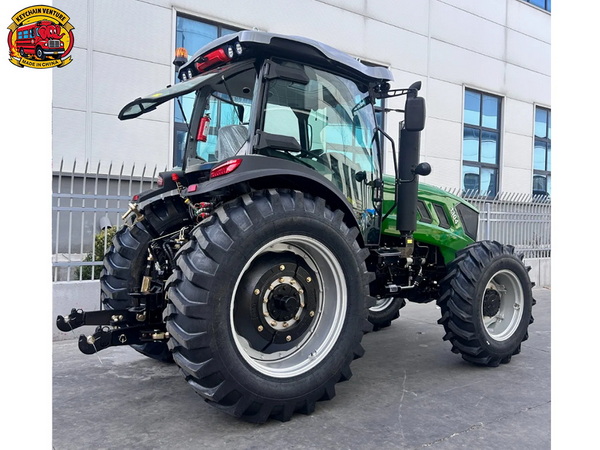
Research recent sales for tractors comparable in make, model, condition, and age. Consult trusted price guides and adjust for your tractor's mechanical condition and seasonal market factors.
At minimum, change essential fluids and filters, check tire conditions and inflation, inspect the engine, transmission, and hydraulics for proper operation, and repair minor issues that affect performance or safety.
Yes. Videos help build buyer confidence by showing operating condition, the engine running, and key features, resulting in faster and higher-value sales.
Use specialized agricultural machinery websites, general online marketplaces, farming equipment dealer networks, and auctions that focus on industrial vehicles.
You need a bill of sale detailing transaction terms, proof of ownership, maintenance records, and any local registration or title transfer documents required by regional authorities.


