
Views: 222 Author: Amanda Publish Time: 2025-08-22 Origin: Site


Content Menu
● Understanding the Market Demand
● Various Ways to Make Money with a Dump Truck
>> 1. Contract Hauling Services
>> 2. Dump Truck Rental Business
● Starting a Dump Truck Business: Step-by-Step
>> Step 1: Market Research and Business Plan
>> Step 2: Acquire Suitable Dump Truck(s)
>> Step 3: Regulatory Compliance and Licensing
>> Step 4: Marketing and Client Acquisition
>> Step 5: Optimize Operations
● Tips to Maximize Truck Utilization and Profitability
● Maintenance and Cost Management
● Expanding Your Dump Truck Business
● Industry Trends That Influence Dump Truck Profitability
>> Electrification and Alternative Fuels
● Case Studies: Successful Dump Truck Entrepreneurs
● FAQs
>> 1. How much can I earn with a dump truck business?
>> 2. What type of dump truck is best for my business?
>> 3. What are the startup costs involved?
>> 4. How do I find clients for my dump truck services?
>> 5. What are common challenges facing dump truck business owners?
In today's rapidly expanding construction and logistics industries, the demand for reliable and efficient dump trucks has never been higher. Whether you are an entrepreneur, investor, or driver, knowing how to make money with a dump truck can open lucrative opportunities in both local and international markets. This article explores the practical strategies, business models, and tips to maximize your income using a dump truck. We will break down pathways to profitability, cover essential maintenance advice, and highlight niche markets—all aimed at helping you turn your dump truck investment into a steady cash generator.

A dump truck is a heavy-duty vehicle designed to transport loose materials such as sand, gravel, demolition waste, and more. These vehicles typically feature an open-box bed hinged at the rear with hydraulic rams to lift the front, enabling the contents to be "dumped" easily at the delivery site.
Dump trucks come in several varieties, including:
- Standard Dump Trucks: Used primarily for roadwork and construction.
- Articulated Dump Trucks: Useful for rugged terrain and off-road conditions.
- Transfer Dump Trucks: Haul two trailers, increasing payload capacity.
- Super Dump Trucks: Enhanced payload with auxiliary axles.
Understanding your dump truck type and suitable application is critical to maximizing profitability.
The demand for dump trucks closely follows the health of industries such as construction, mining, landscaping, and municipal services. Urbanization and infrastructure development generate constant material transport needs.
Key demand drivers include:
- Road and highway construction projects
- Residential and commercial building developments
- Quarrying and mining operations
- Snow removal and other municipal contracts
In many countries, especially China, infrastructure investment fuels heavy equipment usage, making the dump truck sector particularly promising.
Turning your dump truck into a money-maker involves exploring diverse revenue streams. Here are some proven methods:
Partner with construction companies or municipalities to haul materials like dirt, aggregate, asphalt, and debris. These contracts often provide long-term steady income.
If you own multiple trucks, you can rent them out to clients on daily, weekly, or project-based contracts. This reduces your downtime and enhances income potential.
Focus on niche hauling services such as snow removal, recycling facilities, or landscaping supplies to command premium rates.
Partner with waste management companies to transport demolition debris and other waste materials to dumpsites.
Operate your own dump truck by securing jobs independently via apps or direct client contacts, cutting middlemen costs.
Bidding on government tender projects can be lucrative—covering road maintenance, disaster clean-ups, and other public works.

Embarking on a dump truck business requires deliberate planning. Below is a simplified launch process to guide you:
Analyze local and regional demand, competition, pricing models, and customer segments. Build a detailed business plan with revenue forecasts.
Choose trucks based on intended use—construction, mining, or municipal work. Evaluate options between new and used vehicles considering upfront costs and maintenance.
Ensure the truck, driver, and business adhere to safety standards, vehicle registration, insurance, and permits for operation.
Develop marketing materials targeting construction firms, landscapers, and municipal bodies. Use online platforms and networking to build contacts.
Implement scheduling, route planning, and maintenance tracking to maximize truck usage and reduce downtime.
To increase your dump truck revenue, consider these tips:
- Minimize Empty Runs: Coordinate haul assignments to efficiently travel full-load routes only. Every empty kilometer contributes to fuel and time costs without revenue.
- Flexible Service Offering: Diversify services (hauling, rental, disposal) to avoid seasonal downturns. For example, switch from construction debris hauling in warmer months to snow removal in winter.
- Fuel Efficiency: Regularly tune engines and employ fuel-saving driving practices. Since fuel is a major operating expense, even small efficiency improvements can significantly impact profits.
- Invest in Technology: Use GPS tracking, fleet management software, and dispatch systems to optimize routes, monitor performance, and schedule preventive maintenance.
- Build Strong Relationships: Reliable service reputation attracts repeat clients and premium pricing. Maintaining punctuality and safety builds trust.
- Train Drivers Effectively: Skilled drivers can reduce accidents, improve fuel economy, and ensure better care of the dump truck.
Efficient maintenance is essential to the long-term profitability of your dump truck business. Key practices include:
- Routine Inspections: Regularly check tires, brakes, hydraulic systems, and engine oil levels. Early detection of problems reduces costly repairs.
- Scheduled Servicing: Follow manufacturer-recommended service intervals to maintain peak performance.
- Use Quality Parts: While cheaper repairs might save money upfront, genuine parts and proper servicing extend vehicle life.
- Record Keeping: Maintain detailed logs of maintenance and repairs for warranty claims, asset valuation, and resale purposes.
- Driver Maintenance Training: Train drivers to perform daily checks and gentle operation, which lessens wear and tear.
Lower repair costs and minimized downtime help enhance your overall earning potential.
Once your business gains traction, consider these approaches to scale and increase profits:
- Add More Trucks and Operators: Expanding your fleet allows you to take on bigger contracts or multiple projects simultaneously.
- Broaden Service Areas: Enter new geographic markets or industries—such as mining or agriculture—to diversify client base.
- Offer Ancillary Services: Providing equipment rental, logistics coordination, or recycling solutions can create new revenue channels.
- Form Strategic Partnerships: Collaborate with construction firms, waste management companies, and government contractors for preferred vendor status.
- Leverage Technology: Adopt advanced fleet management tools to enhance efficiency at scale and reduce administrative overhead.
Expansion requires careful financial planning, market research, and quality control to maintain profitability and service excellence.
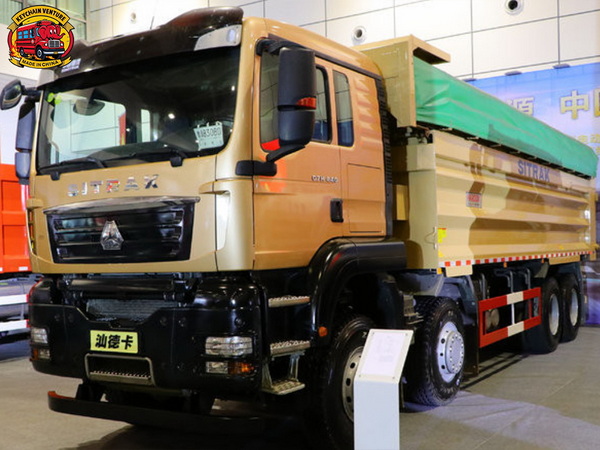
Staying informed about market and technological trends helps you adapt and sustain your business.
Interest in electric and hybrid dump trucks is growing due to environmental regulations and fuel cost savings. Investing in or leasing alternative fuel trucks might improve profitability in the long term.
Advanced telematics provide real-time data on truck location, fuel consumption, and driver behavior, enabling smarter decisions. Automation may eventually reduce labor costs and increase safety.
Government infrastructure spending, particularly large-scale projects, heightens dump truck demand. Staying connected with public tenders could securing high-revenue contracts.
Environmental and safety regulations impact operational costs and investment. Proactively meeting these requirements can protect your business from fines or forced downtime.
Consider Mr. Li from Guangdong Province. Starting with a single dump truck, he focused on securing government contracts for road maintenance. Strategic reinvestment allowed his fleet to grow to five dump trucks within three years, doubling earnings through economies of scale. He also diversified into waste hauling, which provides income even in off-peak construction seasons.
Another example is Ms. Chen in Shanghai, who began as an owner-operator serving landscaping companies. By developing strong client relationships and diversifying into specialty hauling like snow removal in winter, she maintained cash flow year-round and gradually acquired two more trucks.
These examples underscore the importance of diversification, client management, and operational efficiency in growing a successful dump truck business.
Making money with a dump truck is a promising venture if approached strategically. Whether through contract hauling, rentals, or specialty services, dump trucks offer numerous avenues to generate substantial revenue. The key to success lies in efficient operations, excellent customer relationships, diligent maintenance, and market adaptability. With rising infrastructure development across the globe, particularly in China, dump truck business opportunities abound. Adopting the right business model and continuously optimizing your fleet usage will ensure your investment pays off handsomely.

Earnings vary by market and operational scale. Typically, a single dump truck can generate $40,000 to $70,000 annually, but expanding your fleet or securing high-value contracts can increase profits significantly.
It depends on your target market. For urban construction, standard dump trucks work well. For off-road and mining, articulated dump trucks are preferable due to ruggedness.
Startup costs include purchasing or leasing the truck ($70,000 to $150,000+ for new), insurance, licensing, and initial operating expenses. Used trucks may lower entry costs but may incur higher maintenance.
Networking with construction companies, bidding on government tenders, online platforms, and local advertising are effective methods. Building a strong reputation can generate referrals and repeat business.
Key challenges include fluctuating fuel prices, regulatory compliance, equipment maintenance, and securing consistent contracts during seasonal slowdowns.


