
Views: 222 Author: Amanda Publish Time: 2025-11-22 Origin: Site


Content Menu
● Preparation Before the Inspection
● Initial Walk-Around: First Impressions
● Structural Components: Boom, Stick, and Bucket
● Pins, Bushings, and Joint Play
● Undercarriage: Tracks, Rollers, and Sprockets
>> Tracks
>> Rollers, Idlers, and Sprockets
● Engine Compartment: Power and Reliability
>> Fluids
● Starting the Engine and Listening for Clues
● Hydraulic System: Power, Speed, and Smoothness
● Cab Condition and Operator Comfort
● Electrical System and Electronics
● Attachments and Quick Couplers
● Verifying Machine Hours and Service History
● Test Operating the Used Excavator
● Safety Features and Compliance
● Evaluating the Seller and Documentation
● Pricing and Negotiation Strategy
● FAQ
>> What is the most important part to check on a used excavator?
>> How many hours are too many for a used excavator?
>> Can I inspect a used excavator without a mechanic?
>> What documents should I request when buying a used excavator?
>> How do I know if the undercarriage of a used excavator needs replacement?
Investing in a used excavator can dramatically reduce your upfront costs while still providing the power and reliability needed for demanding construction, mining, and infrastructure projects. A careful inspection is essential to avoid unexpected breakdowns, costly repairs, and safety hazards. This guide explains, step by step, how to inspect a Used Excavator like a professional buyer.
A systematic approach will help you evaluate the machine's structure, engine, hydraulics, undercarriage, electrics, controls, and documentation. By the end of this article, you will know exactly what to look for before committing to any used excavator purchase.
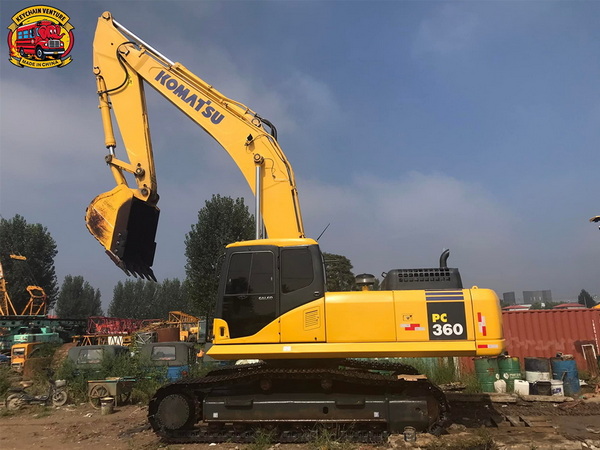
A used excavator offers excellent value because much of the depreciation has already occurred while most of the working life may still remain. For many contractors, renting or buying brand-new equipment is not cost-effective, especially for intermittent or seasonal work.
Well-maintained used excavators from reputable suppliers can deliver reliable performance with manageable ownership costs. The key is to distinguish genuinely well-kept machines from those that look good on the surface but hide serious mechanical issues. A thorough inspection helps you make that distinction.
Before seeing any used excavator, prepare by gathering basic information about the machine and clarifying your own project needs.
- Identify the working conditions: soil type, climate, typical load, and daily operating hours.
- Decide on crucial specifications: operating weight, engine power, bucket capacity, and reach.
- Research common issues for the specific model you are planning to inspect.
Request the serial number, manufacturing year, hour meter reading, and any existing service records in advance. Having this data helps you verify whether the used excavator's condition roughly matches its claimed usage history.
Begin with a slow and systematic walk-around inspection. The goal is to capture the general condition of the used excavator before diving into finer details.
Look for the following:
- Visible cracks, dents, or bent components on the house, boom, stick, and counterweight.
- Signs of harsh use such as deep gouges on the frame, deformation, or plates welded onto structural areas.
- Corrosion or heavy rust, especially around joints, pins, and areas exposed to moisture or chemicals.
On a well-maintained used excavator, paint may be faded or scratched, but the structure should remain intact and stable. Excessive patchwork repairs can indicate past heavy damage or accidents.
The boom, stick, and bucket of a used excavator absorb constant loading and shock, so their condition reveals a lot about past usage.
Inspect welds along the boom and stick carefully. Irregular weld beads, additional plates, or non-symmetrical reinforcing patches may suggest previous cracking or bending. Gently move or rock the boom (if allowed) to feel for any looseness.
Check:
- The main boom pivot area for excessive wear.
- The stick connection for elongated pin bores.
- Any visible hairline cracks near stress points such as bends and corners.
Examine the bucket teeth, side cutters, and cutting edge. Worn-down or missing teeth reduce digging efficiency and may also indicate high-intensity or abrasive work cycles. Look at the bucket linkage, quick coupler, and connection pins for play.
A good used excavator will have some normal wear on the bucket, but the pins and bushings should not show extreme oval wear or excessive free play when the bucket is moved.
Loose pins and worn bushings are common problems on a used excavator and can result in inaccurate digging and premature failure.
To check joint play:
- Lift the boom slightly off the ground and observe the movement at key joints.
- Gently operate the controls or manually move the attachment (if safe and possible) to see how much free movement occurs before the linkage responds.
If the bucket, stick, or boom moves sideways or rattles excessively, extensive pin and bushing work might be required. Such repairs can be expensive, especially when multiple joints are affected.
The undercarriage can represent a large portion of the cost of a used excavator over its lifetime. A detailed undercarriage inspection is crucial.
For steel tracks, check for:
- Bent or cracked shoes.
- Loose or missing bolts.
- Excessive wear on the grousers.
For rubber tracks, examine:
- Cuts, tears, missing chunks, and exposed cords.
- Delamination between rubber layers.
Track tension should be within the manufacturer's recommended range, not overly tight or slack.
Inspect lower rollers, upper rollers, and idlers for oil leaks, broken seals, and uneven wear. Spin them (if safe) to feel for roughness or noise.
Sprockets should not have sharp, “hooked” teeth. Hooked teeth generally mean that the undercarriage parts are near the end of their service life. A worn undercarriage on an otherwise good used excavator may still be acceptable if you factor in the cost of replacement.
The engine is the power source of the used excavator and a major repair cost if something goes wrong. Open all service doors carefully and inspect the engine bay.
Look for:
- Oil leaks around gaskets, filters, and the oil pan.
- Coolant stains around hoses, radiators, and water pumps.
- Fuel leaks near filters, injectors, or lines.
Excessive fresh paint or heavy cleaning might be a sign that someone is trying to hide long-term leaks.
Check engine oil, coolant, and other fluids:
- Engine oil should not contain obvious metal shavings or sludge.
- Coolant should be clear and free from oil contamination.
- Hydraulic fluid should not appear milky or heavily discolored.
These checks help you quickly rule out severe internal problems in a used excavator engine.
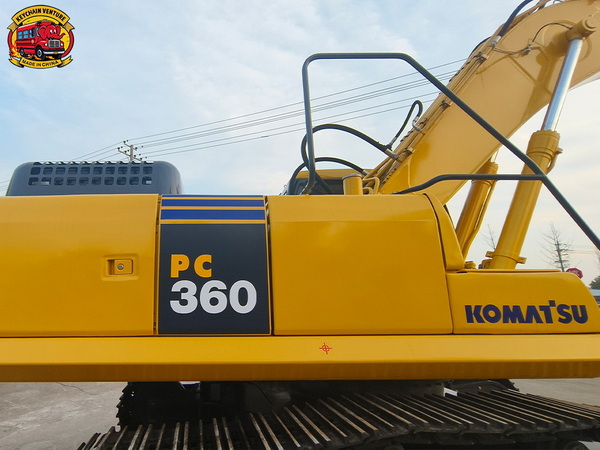
Start the used excavator from a cold state if possible, as this reveals more about its true health.
Listen for:
- Difficult or prolonged cranking, which may indicate weak batteries or starter issues.
- Knocking, tapping, or rattling noises that could point to internal engine wear or bad bearings.
- Irregular idle, hunting, or stalling.
Observe the exhaust:
- Thin white vapor on a cold morning may be normal condensation, but continuous thick white smoke can indicate coolant entering the combustion chamber.
- Blue smoke usually suggests oil burning.
- Heavy black smoke may hint at fuel system problems, air restriction, or injection issues.
A healthy used excavator engine should stabilize quickly after start-up and respond smoothly to throttle changes.
The hydraulic system is at the core of a used excavator's productivity. Any major hydraulic issues are costly to repair.
Visually inspect:
- Hoses for cracks, bulges, or abrasions.
- Fittings and couplings for seepage or fresh oil traces.
- Cylinders for scoring on the rod surfaces and leaks near seals.
Dirt sticking to oily areas is a sign that a leak might have been active for some time.
With the engine running, check:
- Boom, stick, and bucket movements for smooth operation.
- Travel function: the machine should move in a straight line without hesitation.
- Swing motion for uniform speed and absence of jerking.
If a used excavator feels weak, slow, or inconsistent under load, there may be issues with the pump, control valves, pressure settings, or internal leaks in cylinders.
The swing system allows the upper structure of a used excavator to rotate. Wear here can impact stability and precision.
To evaluate:
- Rotate the upper structure slowly and stop at different positions to check for unusual noises or binding.
- With the upper structure raised slightly (if possible and safe), check for vertical or horizontal play when pushing on the house.
- Inspect the slew ring area for grease leakage or missing bolts.
Excess play or grinding noises can signal expensive component wear.
An often-overlooked aspect of a used excavator is the cab environment. An operator who works comfortably and safely will be more productive.
Evaluate:
- Seat condition, seat belt operation, and adjustability.
- Joystick, pedal, and control lever responsiveness.
- Visibility through glass panels and mirrors; look for cracks and heavy scratches.
Check all functions: HVAC system, interior lights, wipers, radio (if present), and instrument panel lights. A cluttered or heavily damaged cab may suggest rough handling and poor daily maintenance habits.
Modern used excavators integrate advanced electronics and monitoring systems that must function correctly.
- Confirm that all gauges are working: fuel, temperature, oil pressure, and warning indicators.
- Test external lights, alarms, and backup beepers.
- Check wiring harnesses for exposed conductors, amateur repairs, or melted insulation.
If the machine has onboard diagnostics or a digital monitor, check for stored fault codes or active warnings. Chronic electrical issues can be time-consuming and expensive to trace.
Attachments dramatically increase the versatility of a used excavator, but they must be in good condition.
Look at:
- Bucket shape, side walls, and cutting edges for severe distortion.
- Quick coupler operation; lock and unlock the attachment to ensure positive engagement.
- Any auxiliary hydraulic lines for leaks and proper coupling connections.
If you plan to use special tools like hydraulic breakers, grapples, or augers, ensure that the used excavator has the correct flow rates, controls, and fittings to support them.
The hour meter is an essential indicator of how much a used excavator has worked, but it should not be trusted blindly.
- Compare the meter reading with the degree of visible wear in the cab, pedals, controls, and key structural components.
- Examine service records: oil change logs, filter replacements, hydraulic services, and major component overhauls.
- Check if the engine or pump has ever been rebuilt and how many hours have passed since.
Consistent records, with dates and hour readings, show that the machine has been cared for. A used excavator without any documents carries higher risk, even if it looks reasonably clean.
Whenever possible, perform an on-site working test to see how the used excavator behaves under real operating conditions.
During the test:
- Dig into a stockpile or soil to feel the power and smoothness under load.
- Extend the boom and stick fully and hold them in position to see if any cylinders drift.
- Travel forward and backward, turning in both directions to evaluate track performance and steering.
Pay close attention to vibrations, abnormal noises, and response lag. A good used excavator will feel controlled, predictable, and stable in all operations.
Safety is non-negotiable for any used excavator operating on modern job sites.
Confirm the presence and condition of:
- ROPS/FOPS structures where applicable.
- Guard rails, steps, and anti-slip surfaces.
- Fire extinguisher (if required by regulation or company policy).
- Emergency stop switches and warning labels.
Also consider emissions regulations and noise limits that may apply in your region. Some markets require specific certification or compliance documents for used equipment imports and operation.
Who you buy your used excavator from can be as important as which machine you choose.
Reliable sellers typically:
- Provide clear ownership papers and proof that there are no liens on the machine.
- Offer access to service histories and inspection reports.
- Allow independent inspections by third-party technicians.
Confirm the serial number and details on all documents match the physical machine. This step helps avoid legal disputes and complications after purchase.
Once you understand the true condition of the used excavator, you can evaluate whether the asking price is fair.
- Estimate the cost of any immediate repairs, such as track replacement, cylinder resealing, or engine overhauls.
- Research market prices for the same model and year with similar specifications and hour ranges.
- Use clear evidence from your inspection (photos, notes of wear and defects) to justify your offer.
A slightly higher purchase price for a well-documented, well-maintained used excavator can be smarter than a cheap machine requiring major work.
Sometimes, the inspection of a used excavator reveals problems that are too extensive or uncertain.
Consider walking away if you detect:
- Significant structural damage or poor-quality structural repairs.
- Severe engine or hydraulic problems that are hard to diagnose.
- Inconsistent hour readings, missing serial plates, or questionable ownership documents.
- A seller who refuses reasonable inspection or testing.
There are many used excavators on the market; it is usually better to wait for a better candidate than to gamble on a problematic machine.
Inspecting a used excavator thoroughly is the best protection against costly surprises and downtime. A structured approach—starting with visual checks, followed by mechanical, hydraulic, electrical, and operational tests—gives a clear picture of the machine's true condition. Attention to undercarriage wear, pins and bushings, boom and stick integrity, engine health, and attachments allows you to estimate both immediate and long-term costs.
Combining what you see on the machine with service histories, hour meter readings, and seller transparency will help you decide whether a particular used excavator is a smart investment. With disciplined inspections and a willingness to walk away from risky machines, you can secure a reliable excavator that supports your projects and protects your budget.
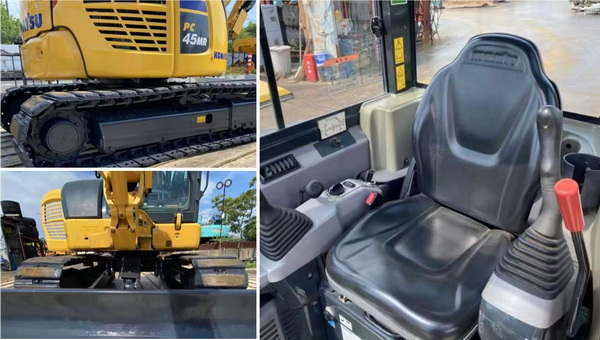
The most important areas on a used excavator are the engine, hydraulic system, and undercarriage, because they are expensive to repair or replace. Structural components such as the boom and stick are also critical, since cracks or poor repairs can compromise safety and performance.
Many used excavators can operate beyond 10,000 hours if properly maintained, but risk usually increases after that point. Instead of focusing only on hours, evaluate maintenance records, visible wear, and how the machine starts, runs, and operates under load.
A buyer can perform a basic visual and functional check on a used excavator, but complex issues may remain hidden. For high-value purchases or questionable machines, hiring an experienced heavy equipment mechanic or third-party inspection service is strongly recommended.
You should request proof of ownership, service and maintenance records, any previous inspection reports, and compliance or certification documents required in your region. These records, combined with your physical inspection, help verify the history of the used excavator.
Look for sharp or hooked sprocket teeth, uneven or excessive track shoe wear, leaking or seized rollers, and sagging track tension. If multiple components show heavy wear, you should assume that a major undercarriage overhaul may be needed soon for the used excavator.
[1](https://mevas.net/used-excavator-inspection-checklist)
[2](https://www.usedexcavatorsforsales.com/excavator-inspection-checklist/)
[3](https://fivestarequipment.com/used-construction-equipment-purchasing-checklist/)
[4](https://www.usedtruckexcavator.com/used-excavator-checklist/)
[5](https://safetyculture.com/checklists/excavator-inspection)
[6](https://www.hitachicm.com/content/dam/hitachicm/eu/en/images/onsite/Used%20excavator%20inspection%20checklist.pdf)
[7](https://arnoldmachinery.com/resources/excavator-maintenance-checklist/)
[8](https://www.mevas.eu/sample-reports/Used-Hydraulic-Excavator-Inspection-sample-Checklist.pdf)
[9](https://www.canrod.com/article/planning-to-buy-used-excavator-ultimate-checklist)


