
Views: 222 Author: Amanda Publish Time: 2025-11-23 Origin: Site


Content Menu
● Define Your Dump Truck Services Clearly
● Choose the Right Dump Truck Types
● Build Strong Local Relationships
● Use Load Boards and Hauling Platforms Effectively
● Target Government and Public Infrastructure Projects
● Strengthen Your Online Presence
● Emphasize Safety and Compliance
● Invest in Fleet Management and Telematics
● Price Your Dump Truck Loads Strategically
● Offer Value‑Added Dump Truck Services
● Leverage Referrals and Reputation
● Plan for Seasonality and Market Cycles
● Align with Global and Regional Trends
● FAQs
>> 1. How can a new operator find the first dump truck loads?
>> 2. What documents are usually required before accepting dump truck contracts?
>> 3. How can a dump truck company increase its profit per load?
>> 4. Is it better to focus on one type of dump truck work or to diversify?
>> 5. Do small dump truck fleets have a chance against large national carriers?
Securing steady Dump Truck loads is the foundation of a profitable hauling business. In a market driven by construction, mining, and infrastructure projects, operators who combine smart marketing, efficient operations, and strong relationships can keep their dump trucks busy all year.
The following guide explains practical strategies to help you find more dump truck loads, win long-term contracts, and position your fleet as a reliable partner for domestic and international customers.
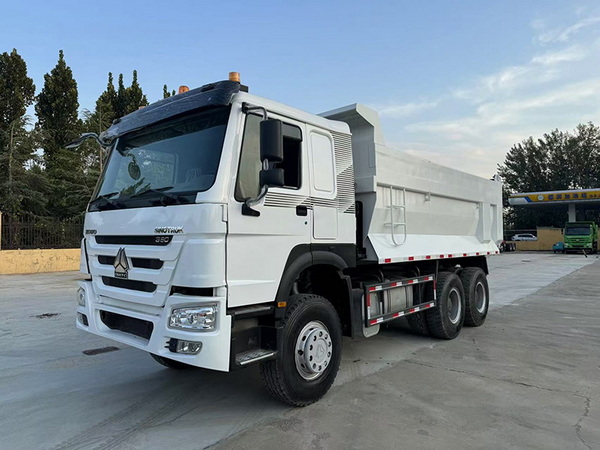
Understanding the broader dump truck market helps you target the right customers and plan for long‑term growth. Global demand for dump trucks continues to rise as governments and private developers invest heavily in roads, housing, and industrial projects. Industry studies show that the worldwide dump truck market is expanding steadily, supported by infrastructure development and urbanization across regions such as Asia, North America, and Europe.
This growth is supported by increased spending on construction and mining, where dump trucks are essential for moving large quantities of aggregates, soil, ore, and waste. Operators who position their services around these high‑demand sectors can benefit from more frequent dump truck loads and more resilient revenue streams.
Before searching for work, define exactly what your dump truck business offers. Clear service positioning helps potential clients quickly understand how your dump trucks fit into their projects.
Common dump truck services include:
- Transporting aggregates such as sand, gravel, and crushed stone for concrete plants and building sites
- Hauling demolition debris and construction waste to approved disposal or recycling facilities
- Delivering asphalt and base materials for road construction and repair
- Moving soil and fill material for land development and landscaping projects
- Supporting mining and quarry operations with continuous dump truck haul cycles
By describing your dump truck services in detail on your website, proposals, and marketing materials, you make it easier for customers to match their needs with your capabilities.
The type of dump truck you operate influences the kind of loads you can win. Matching truck specifications to industry requirements is crucial for efficiency and profitability.
Popular dump truck configurations include:
- Standard dump truck for short‑distance hauling of sand, gravel, and demolition debris in urban or regional projects
- Articulated dump truck for rough, off‑road terrain in quarries, mining, and large infrastructure works
- Side dump truck for fast unloading on long linear projects such as highways and rail beds
- Transfer or pup‑trailer dump truck for higher payloads on paved roads where weight limits allow
By highlighting your dump truck types and capacities in quotations and online profiles, you help project managers quickly see whether your fleet can handle their volume, terrain, and safety requirements.
Relationships are one of the most powerful drivers of repeat dump truck loads. Many contractors prefer to work with haulers they know and trust rather than searching for new partners for each project.
Effective ways to build local relationships include:
- Visiting construction sites, asphalt plants, quarries, and recycling facilities to introduce your dump truck services
- Joining local construction, logistics, or trucking associations where decision‑makers regularly meet
- Participating in regional trade shows and industry events to showcase your dump truck capabilities
- Offering trial jobs or introductory rates for new clients to demonstrate punctuality, safety, and communication
Consistent, reliable performance on early projects often leads to long‑term contracts and referrals that keep your dump truck loads steady.
Digital freight platforms and specialized hauling apps are essential tools for finding dump truck loads quickly, especially when you are still building a client base. Many of these systems allow you to filter by truck type, location, material, and payment terms.
To make the most of these platforms:
- Create a complete, professional profile that specifies your dump truck capacities, insurance coverage, and service regions
- Upload high‑quality descriptions of your dump truck fleet, safety record, and on‑time performance
- Set clear preferences for minimum rates, maximum travel distance, and acceptable load types
- Respond quickly to new dump truck load offers to improve your acceptance and completion metrics
Over time, consistent performance can improve your rating and make your dump truck business more visible to shippers and contractors seeking reliable partners.
Government‑funded infrastructure projects are a major source of long‑term dump truck loads. Road building, airport expansion, rail corridors, and municipal utility works all require continuous hauling of aggregates, asphalt, and excavated materials.
To participate, dump truck operators should:
- Register as approved suppliers or vendors on national and local procurement portals
- Regularly monitor public tender announcements that require dump truck services or bulk material transport
- Maintain up‑to‑date documents such as operating licenses, insurance, safety certifications, and vehicle inspection reports
- Consider partnering with larger prime contractors as a dump truck subcontractor on multi‑year projects
Public projects often have strict compliance and safety requirements, but they can provide highly stable schedules for dump truck fleets once you are pre‑qualified.
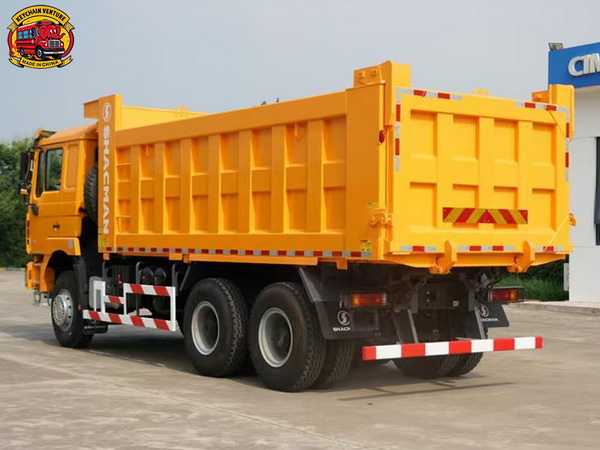
An effective online presence helps clients discover your dump truck services and evaluate your reliability before making contact. Many project managers now research haulers online before requesting quotations.
Key elements of a strong digital footprint include:
- A clear, mobile‑friendly website that describes your dump truck services, service regions, fleet details, and contact methods
- Search‑engine‑optimized content that uses relevant phrases such as “dump truck hauling,” “aggregates delivery,” and “construction dump truck service” in a natural way
- Business listings on major mapping and review platforms so local contractors can easily find and rate your dump truck company
- Case studies or short project descriptions that show how your dump trucks supported successful construction or mining work
This online credibility makes it easier to convert website visitors into paying customers and can increase the volume of inbound dump truck load inquiries.
Safety is a non‑negotiable requirement in modern construction and logistics. Project owners are unwilling to risk delays or accidents caused by unsafe hauling operations. Dump truck businesses that demonstrate strong safety performance have a competitive advantage when bidding for loads.
Important safety and compliance actions include:
- Conducting regular pre‑trip and post‑trip inspections of each dump truck to identify mechanical issues early
- Ensuring drivers have appropriate commercial licenses and ongoing safety training for load securement, maneuvering, and site rules
- Staying within legal axle and gross vehicle weight limits to protect roads and avoid fines or project shut‑downs
- Implementing clear procedures for covering loads, maneuvering on congested sites, and backing up safely
Documented safety programs and a clean record help reassure clients that your dump truck operations will support rather than disrupt their projects.
As the dump truck market grows, more operators are using technology to control costs, improve service quality, and increase the number of loads each truck can handle. Telematics and fleet management systems provide data that can transform day‑to‑day operations.
Typical benefits of telematics for dump truck fleets include:
- Real‑time location tracking, allowing dispatchers to assign the nearest available dump truck to new loads
- Monitoring fuel consumption, idle time, and driving behavior to reduce operating expenses
- Automated reporting on working hours, cycle times, and load counts for each dump truck on a project
- Better communication between drivers and dispatchers using integrated apps or messaging platforms
These tools help your dump truck company prove efficiency to clients and support higher utilization rates, which translates directly into more revenue per truck.
Pricing is a critical factor in winning bids without sacrificing profitability. Dump truck companies must balance competitive rates with the true cost of operation, maintenance, insurance, and driver wages.
When setting rates for dump truck loads, consider:
- Distance, travel time, and expected waiting time at loading and unloading points
- Road conditions, terrain, and whether the dump truck will operate off‑road or on private sites
- Material density and weight, which determine how many tonnes or cubic meters each dump truck can safely carry
- Fuel prices and regional tolls or permits that affect each haul cycle
Offering transparent, itemized quotations builds trust and allows clients to understand why your dump truck services are priced as they are. For long‑term projects, you may also offer tiered pricing based on guaranteed minimum volumes.
To stand out in a competitive environment, many companies go beyond basic hauling and provide complementary services around their dump truck operations. These additions can create stronger customer loyalty and justify premium pricing.
Common value‑added options include:
- On‑site coordination, where a lead driver or dispatcher manages all dump truck movements and schedules for the project
- Material sourcing, allowing clients to purchase aggregates or soil directly from you with coordinated supply and dump truck delivery
- Flexible night or weekend dump truck operations to support shutdown work and projects with tight deadlines
- Data reporting that summarizes dump truck cycles, quantities delivered, and on‑time performance at the end of each week or month
Providing these services positions your dump truck business as a complete hauling partner rather than a simple transport provider.
Reputation is one of the most powerful marketing tools in the dump truck industry. Contractors routinely share feedback about haulers with each other, especially on large or complex projects. A strong reputation leads to more invitations to quote and a higher probability of winning those dump truck loads.
To strengthen your reputation:
- Deliver on commitments consistently, especially regarding arrival times and load quantities
- Resolve issues quickly and professionally whenever there is a misunderstanding or delay
- Encourage satisfied clients to recommend your dump truck services to colleagues or other divisions within their companies
- Ask long‑term customers for short written endorsements that you can feature in marketing material and proposals
Over time, a solid track record can reduce your reliance on short‑notice load boards and increase your portfolio of planned, high‑value dump truck work.
Demand for dump truck loads often follows seasonal patterns. In many regions, construction slows during extreme weather periods, while mining and industrial projects may continue year‑round. Planning for these cycles helps keep your dump truck utilization higher even during quieter months.
Practical approaches to seasonality include:
- Diversifying into winter services such as snow hauling or sand delivery for road safety in cold climates
- Seeking long‑term industrial or municipal dump truck contracts that are less affected by seasonal housing cycles
- Balancing short urban projects with longer‑distance regional hauling that remains active at different times of the year
- Maintaining a flexible mix of permanent and part‑time drivers to adjust capacity as dump truck demand rises or falls
Strategic planning across the year allows your dump truck fleet to maintain more consistent income despite market fluctuations.
The dump truck industry is also being reshaped by broader trends such as environmental regulation, electrification, and smart construction technologies. Operators who adapt early can attract new types of dump truck loads as clients seek partners aligned with their sustainability and efficiency goals.
Key trends affecting dump truck businesses include:
- Gradual adoption of low‑emission engines and, in some markets, hybrid or electric dump truck models
- Growing importance of data‑driven reporting, where contractors expect detailed information about fuel use, cycle times, and CO₂ impact
- Increasing use of digital project management platforms that integrate with telematics and scheduling systems for dump trucks
- Continued expansion of urban infrastructure, which requires careful route planning and noise or emission control for dump truck operations
By monitoring these trends and upgrading equipment or processes where feasible, your dump truck business can remain competitive and appealing to modern, sustainability‑focused clients.
Consistently securing profitable dump truck loads is the result of strategy, not luck. Successful operators clearly define their services, invest in the right dump truck types, and combine traditional relationship‑building with modern digital tools. They focus on safety, compliance, and efficiency while continuously improving pricing models and operational processes.
By building a strong reputation, targeting government and private infrastructure projects, and embracing technology, your dump truck business can move from chasing occasional loads to managing a predictable schedule of high‑value hauling work. With a disciplined approach, every dump truck in your fleet can become a reliable, revenue‑generating asset that supports long‑term growth.
New operators can start by registering on reputable load boards, introducing their dump truck services to local contractors, and visiting nearby quarries, asphalt plants, and recycling centers. Offering short trial jobs at competitive rates helps build an early track record and leads to repeat work.
Most clients require proof of commercial insurance, operating licenses, vehicle registration, and valid safety or inspection certificates for each dump truck. Larger projects may also request copies of driver qualifications and written safety policies before awarding work.
Profit per load can be improved by optimizing routes, reducing empty backhauls, and negotiating better fuel or maintenance terms. Carefully calculating rates based on actual operating costs and minimizing waiting time at loading or dumping points also boosts profitability.
Both approaches can succeed, but diversification often provides greater stability. For example, a company may focus mainly on construction aggregates while still accepting occasional demolition, mining, or municipal dump truck jobs to balance seasonal demand.
Yes. Smaller fleets can respond faster, offer more personalized service, and maintain closer relationships with local contractors. By emphasizing reliability, communication, and flexibility, small dump truck businesses can secure loyal customers and profitable niche markets.
[1](https://www.ibisworld.com/united-states/industry/dump-truck-services/5668/)
[2](https://www.gminsights.com/industry-analysis/dump-trucks-market)
[3](https://finance.yahoo.com/news/dump-trucks-mining-trucks-industry-114500747.html)
[4](https://northeast.newschannelnebraska.com/story/53257825/dump-trucks-market-set-to-reach-8068-billion-by-2029)
[5](https://straitsresearch.com/report/dump-trucks-market)
[6](https://www.researchandmarkets.com/reports/5766863/dump-trucks-global-market-report)
[7](https://thendta.org/dump-truck-industry-data-and-statistics)
[8](https://www.grandviewresearch.com/horizon/outlook/dump-trucks-market/north-america)
[9](https://www.equipmentworld.com/market-pulse/article/15771085/topselling-articulated-dump-trucks-for-2024-2025)
[10](https://www.wexfordins.com/post/dump-truck-business-profitable-in-2025-wexford-insurance)


