
Views: 222 Author: Amanda Publish Time: 2025-10-25 Origin: Site


Content Menu
>> Introduction
● Why Used Tractor Tires Need Careful Disposal
● Environmental Risks of Mismanaged Used Tractor Tires
● Legal Regulations Surrounding Used Tractor Tires
● Best Practices for Professional Disposal
>> Partnering With Certified Recyclers
>> Investing in Tire Retreading Programs
>> On-Farm and Community Repurposing
>> Tire-Derived Fuel and Industrial Recovery
● Advanced Recycling Technologies for Used Tractor Tires
>> Mechanical Shredding and Granulation
>> Devulcanization and Chemical Processing
● Creative Repurposing: Turning Waste Into Solutions
● Preventive Measures and Safety Risks
>> Record-Keeping and Documentation
● Step-by-Step Guide to Disposing of Used Tractor Tires
● Global Perspective: Used Tractor Tire Disposal Practices Worldwide
● Innovation and Future Trends
>> Intelligent Tracking and RFID Technology
● Practical Advice for KeyChain Venture Co., Ltd. Customers
>> Large-Scale Agricultural Operations
>> Small Farms and Community Projects
>> Commercial Vehicle Suppliers
● FAQ
>> 1. What is the most environmentally friendly way to dispose of used tractor tires?
>> 2. Can all used tractor tires be retreaded?
>> 3. Are there penalties for improper disposal of used tractor tires?
>> 4. What documentation is needed when disposing of used tractor tires?
>> 5. How can used tractor tires be safely repurposed?
Efficient disposal of used tractor tires poses a significant challenge for commercial vehicle operators, farmers, and agricultural suppliers worldwide. Tractor tires are sturdy, sizable, and built for heavy-duty use, but once worn out, they demand careful disposal to avoid environmental harm and regulatory issues. Used tractor tires can clutter storage areas, pose fire hazards, and harbor pests if left unattended. This guide explores modern solutions for properly handling used tractor tires, focusing on best practices, compliance strategies, innovative repurposing methods, and future trends in tire management.
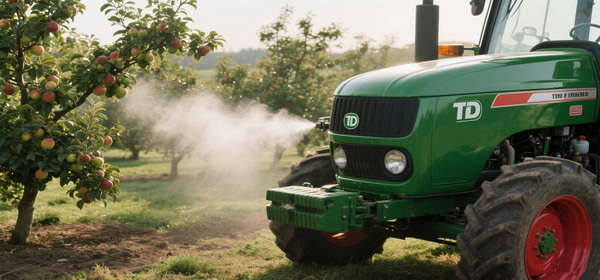
Used tractor tires differ markedly from standard automobile tires. Their immense size, reinforced construction, and mix of steel and complex rubber polymers mean they remain almost indestructible by normal landfill processes. As a result, simple dumping is not only environmentally unfriendly but often illegal. Inadequate disposal increases risks of waterborne pests breeding in rain-filled treads and the possibility of toxic fires when tires combust. For any operation working with tractors and heavy commercial vehicles, developing an informed approach to disposing of used tractor tires is vital.
Storing piles of used tractor tires or abandoning them in unregulated areas presents numerous ecological dangers. Standing water inside discarded tires becomes a perfect environment for mosquitoes, potentially spreading disease. Tire fires are especially hazardous, releasing black smoke and pollutants that last for weeks and are nearly impossible to extinguish. In addition, tires take centuries to break down, leading to persistent landscape blight and soil contamination issues if left unmanaged. Responsible disposal not only protects local ecosystems but also supports the broader agricultural community's drive for sustainability.
Disposal of used tractor tires is governed by increasingly stringent regulations across China and internationally. Laws typically restrict landfill admission of tractor tires, mandating recycling or proper repurposing. Agricultural businesses face fines or operational suspensions if non-compliant. Compliance requires careful documentation, coordination with certified recyclers, and adherence to national and local guidelines. Key requirements include keeping records of every used tractor tire disposed of, working only with authorized facilities, and opting for environmentally safe methods.
Farmers and supply companies are encouraged to collaborate with approved recycling firms capable of handling the unique demands of used tractor tires. Specialized facilities break down tires into reusable base materials such as crumb rubber, steel, and fabric, which feed into new manufacturing streams. Choosing local recyclers minimizes transport cost and carbon footprint, while ensuring full compliance.
Many used tractor tires retain substantial usable material even when their treads are worn. Retreading—replacing the worn surface while keeping much of the original tire—extends service life and conserves resources. Retreading is a popular option for fleets managing a large inventory of commercial vehicles, offering both cost savings and a sustainable business model.
Creativity and resourcefulness play a large role in managing used tractor tires on modern farms. Repurposing tires as animal feeders, water troughs, silage covers, fencing, or even agricultural steps makes practical use of otherwise discarded materials. Community projects sometimes employ used tractor tires as playground equipment, retaining walls, or planters for urban greening initiatives. Such uses reduce disposal costs and foster environmental engagement.
Some industrial processes convert used tractor tires into energy through controlled incineration, known as tire-derived fuel (TDF). Cement plants and paper mills burn rubber for its high calorific value while adhering to pollution standards. This approach diverts large volumes of used tractor tires from landfills and offers a pragmatic energy solution, though it requires compliance with safety and emissions guidelines.
Mechanical shredders break used tractor tires into smaller, manageable pieces. These granules can be manufactured into playground surfaces, sports fields, and paving materials. Mechanical breakdown also facilitates easier extraction of steel, which can be recycled in steel mills. Harnessing this technology promotes an efficient circular economy for tire disposal.
Emerging recycling techniques now target the vulcanized rubber components within used tractor tires. Devulcanization breaks sulfur bonds, reverting rubber to its initial form for new product manufacture. Chemical recycling utilizes solvents to separate useful rubber, fiber, and metal, allowing nearly total resource recovery. These advanced methods aid in managing the huge output from commercial vehicle fleets and large-scale farms.
Used tractor tires fuel countless innovative applications on farms and beyond. Some of the most effective and creative uses include:
- Heavy-duty Farm Equipment Pads: Used tractor tires form resilient pads for supporting machinery, protecting soil and turf.
- Erosion Control and Drainage Systems: Stacked tires create robust barriers in gully restoration projects and riverbank reinforcement.
- Aquaculture Systems: Used tractor tires can form artificial reef bases or fish habitats under regulated, environmentally safe conditions.
- Road Foundations and Construction Projects: Shredded tires stabilize embankments or roadbeds, improving longevity and reducing subsidence.
- Community Installations: Urban planners and artists repurpose tires into outdoor furniture, sculptures, and public art works, reflecting growing sustainability trends.
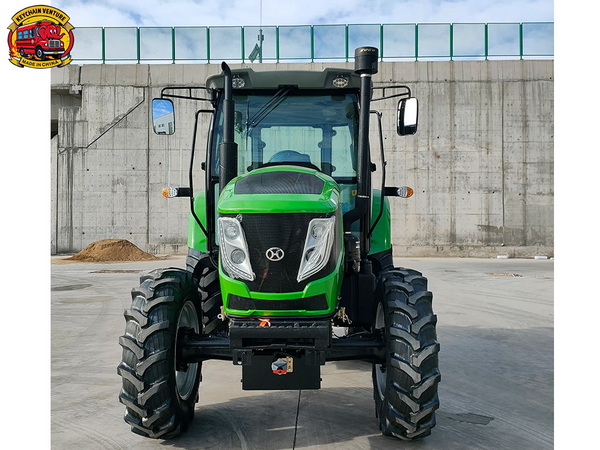
Tire fires are infamous for their duration and pollution. It's essential for farmers and businesses to minimize tire stockpiles, store used tractor tires in safe, dry areas, and avoid stacking tires near combustible materials. Regular inspections and staff training contribute to effective risk management.
Frequent removal and proper storage help prevent mosquitoes, rodents, and other pests from breeding in used tractor tires. Farms can also employ insect-proof covers or use tires only in settings where drainage prohibits standing water.
Maintaining clear records of how each used tractor tire is handled builds accountability and ensures compliance. Regulatory bodies may audit farms and vehicle operators, requiring documentation of each tire's fate.
1. Evaluate Tire Condition
- Assess whether the tire is suitable for retreading, recycling, or direct repurposing. Check sidewalls for integrity and classify accordingly.
2. Consult Local Regulations
- Meet with municipal authorities or industry groups to study recent tire disposal rules and restrictions.
3. Identify Certified Disposal Channels
- Research recyclers, retreaders, or community repurposing programs that accept used tractor tires. Obtain written agreements if possible.
4. Transport and Dispose Properly
- Schedule pickups or delivery to disposal centers. Use heavy equipment for safe tire loading and unloading.
5. Document Every Step
- Log tire serial numbers, disposal receipts, and any recycling certifications received in the process.
6. Promote Sustainable Uses
- Where safe and permitted, publicize creative uses among neighbors and commercial partners to encourage broad adoption.
Many nations have developed robust systems for controlling used tractor tire disposal. China, for example, enforces stringent laws on tire recycling and retreading, with active programs encouraging on-site rubber reuse. In the EU and North America, tire manufacturers collaborate with government agencies to fund recycling initiatives and guarantee environmentally friendly waste streams. International standards continue to evolve, pushing toward total tire traceability and closed-loop recycling—ideals that benefit the entire commercial vehicle sector.
Tire manufacturers now embed RFID chips into new tractor tires, permitting full lifecycle tracking. These tags allow recyclers, users, and officials to monitor each used tractor tire from manufacture to disposal, promoting transparency and accountability.
Robotic dismantlers increasingly process tractor tires, speeding up recycling and reducing manual labor risks. Automated machinery optimizes tire breakdown, salvage, and resource recovery, reflecting broader automation trends in agriculture and industry.
Some governments offer rebates or credits for documented disposal and recycling of used tractor tires. These incentives stimulate eco-friendly habits among commercial vehicle suppliers and drive continuous improvement in the farming community.
As one of China's leading commercial vehicle suppliers, KeyChain Venture Co., Ltd. serves a diverse client base with high-performance tractor solutions. Ensuring customers know the right channels and methods for used tractor tire disposal enhances product value and supports sustainable business practices. Advisors can help clients set up on-site recycling, connect with certified recyclers, and foster community repurposing projects—demonstrating leadership in responsible resource management.
Major farms often establish centralized used tractor tire collection points and forge partnerships with large recyclers or retreading companies. Through bulk handling and coordinated logistics, these operators reduce disposal costs and ensure full compliance with local regulations.
Solo operators and rural communities benefit by pooling resources, sharing pick-up services, and organizing group recycling drives for used tractor tires. Joint efforts amplify their impact, making environmentally responsible practices accessible even at modest scales.
Commercial suppliers occasionally take back used tractor tires from customers, incorporating them into their sustainability programs. These efforts add value to sales contracts and provide evidence of environmental leadership.
Disposing of used tractor tires effectively and sustainably is a vital concern for farms, commercial vehicle operators, and suppliers around the world. Responsible handling safeguards the environment, reduces hazards, and upholds legal standards. Through certified recycling, innovative repurposing, retreading, and energy recovery, the agricultural sector can transform tire disposal from a regulatory challenge into an opportunity for innovation. KeyChain Venture Co., Ltd., in partnering with clients and local communities, can take the lead—making tire disposal an integral component of an efficient, sustainable business strategy.
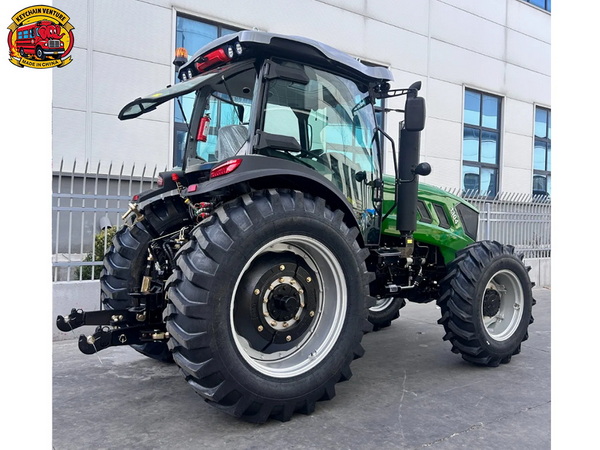
Recycling at specialized facilities is generally the best option, as it recovers rubber, steel, and fabric for new products and avoids landfill issues.
Only some used tractor tires with structurally sound casings can be retreaded effectively. Damaged tires should go to recycling or safe repurposing streams.
Yes, most regions impose fines or operational restrictions on businesses that dispose of tires illegally.
Businesses should keep receipts, certificates from recyclers, and records of tire serial numbers to verify compliance with regulations.
Used tractor tires can be converted into livestock feeders, water troughs, erosion barriers, playground equipment, or silage covers, as long as safety and environmental rules are respected.


