Content Menu
>> Define the Size and Power Needed
>> Consider Attachments and Compatibility
>> Where to Look for Used Tractors?
>> Understanding Pricing Trends
>> Exterior and Structural Integrity
>> Engine and Transmission Condition
>> Hydraulics and Electrical Systems
>> Evaluate Maintenance and Repair History
>> Hiring a Professional Inspector
● Test Driving and Performance Checks
● Negotiating Price and Warranties
>> Warranty and After-Sale Support
● FAQ
>> 1. How many hours of use are generally considered acceptable when buying a used tractor?
>> 2. What are the most critical components to inspect on a used tractor?
>> 3. Can financing be arranged for purchasing a used tractor?
>> 4. What maintenance records should be reviewed before purchasing?
>> 5. Is it better to buy a used tractor from a dealer or a private seller?
Purchasing a used tractor is a strategic decision for businesses in agriculture, construction, or commercial trucking. A dependable tractor can significantly improve productivity, reduce operational costs, and provide long-term value. However, acquiring the right used tractor demands a detailed and informed approach to avoid pitfalls and secure an asset that meets your specific needs. This comprehensive guide covers everything you need to know, from assessing your requirements to closing the deal, ensuring a smooth and successful purchase experience.
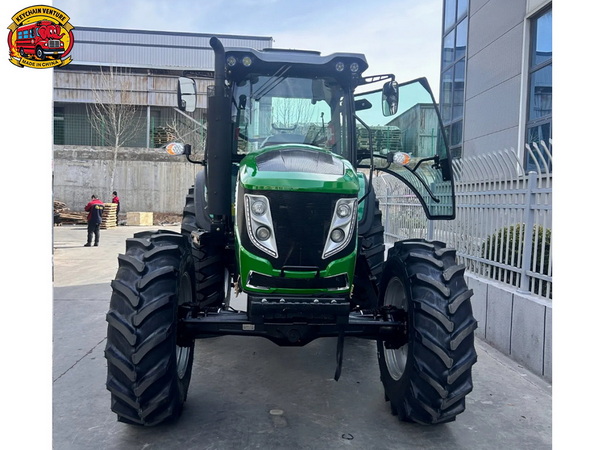
Before searching for a used tractor, it's essential to identify your operation's exact requirements.
What will the tractor be primarily used for? Different industries and applications require different types and sizes of tractors. Clear identification of your primary use will help you focus on tractors that are suitable and efficient for your intended purpose. Common uses include:
- Tilling, planting, and other crop farming operations
- Livestock feed and barn work
- On-site material transport and hauling
- Roadside or infrastructure maintenance
- Heavy-duty commercial applications involving trucking or freight management
Each scenario demands specific horsepower ratings, traction capabilities, and compatible attachments.
Tractor horsepower (HP) is a critical factor influencing productivity. Underpowered tractors can slow work, while oversized tractors can be inefficient and costly to operate.
- Light-duty farms and landscaping jobs typically require tractors with 20–50 HP.
- Medium-range operations span 50–100 HP.
- Large-scale commercial farms and industrial applications often need tractors above 100 HP to handle demanding workloads.
Knowing this spectrum early prevents wasting time on unsuitable models.
Think about the attachments or implements you will use, such as loaders, mowers, backhoes, or trailers. Ensure the tractor you select can accommodate these devices or can be easily adapted.
With requirements at hand, the next step is market research — this will give you a clear picture of what's available and at what price.
- Authorized and Local Dealerships: These provide certified pre-owned equipment, often with some warranty or service support.
- Online Marketplaces: Sites dedicated to farm equipment and commercial vehicles list numerous used tractors with detailed specifications.
- Government and Industrial Auctions: Auctions can offer bargains but typically lack warranties.
- Manufacturer Trade-In Programs: Some manufacturers offer trade-in or refurbished used units directly.
Each channel has pros and cons related to price, condition transparency, and post-purchase support.
Different brands have varying reputations for durability, parts availability, and after-sale service.
- John Deere: Known worldwide for reliability and innovation.
- Kubota: Popular for compact tractors and efficient fuel economy.
- New Holland: Well-regarded for versatility and technological advances.
- Massey Ferguson: Trusted for rugged construction equipment.
Reading reviews, consulting with industry peers, and evaluating local dealer expertise will help narrow your choice.
Analyze historical and current pricing for models that fit your specifications. Seasonal demand, regional preferences, and model release cycles influence prices.
Inspection is a pivotal step that can make or break your purchase.
Check the tractor's body and frame carefully.
- Look out for rust, dents, and weld repairs
- Examine engine bay and chassis for oil leaks or corrosion
- Inspect paint condition as it may indicate care or abuse
The engine is the heart of a tractor.
- Look for clean, dry engines with no unusual smells (e.g., burnt oil)
- Check oil levels and quality
- Listen for knocking or excessive noise during startup
- Transmission should shift without lag or strange sounds; any grinding or slipping is concerning
Tires impact stability and efficiency.
- Inspect tire tread depth and sidewall condition
- Uneven tread wear may indicate misalignment or suspension issues
- Wheels should be straight and free of cracks or damage
Essential for tractor functionality, hydraulics control steering and implements.
- Test hydraulic lifts and controls for smooth operation
- Check for hydraulic fluid leaks
- Electrical systems should power lights, gauges, and instruments properly, with no exposed wires or malfunctioning switches
Request complete maintenance logs and any documented repairs or part replacements. Regular oil changes, filter replacements, and routine servicing indicate good previous upkeep.
If you're not confident, consider hiring a professional tractor mechanic or inspector who can identify hidden mechanical or structural issues.
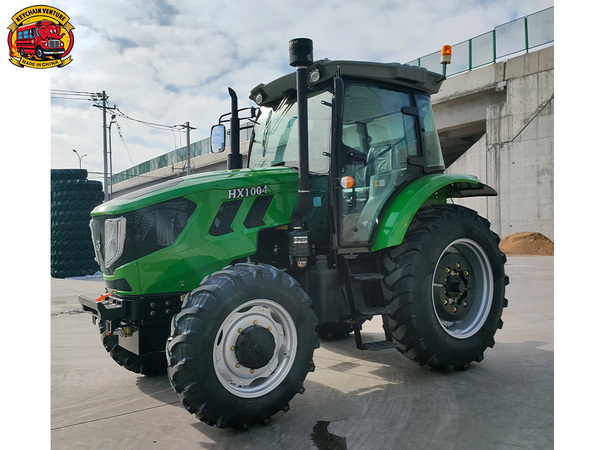
Taking the used tractor for a test drive offers direct insight into performance.
- Start the engine from cold and observe how smoothly it fires up.
- Monitor engine temperature and look for any warning indicators.
- Test all gears and transmission modes; transitions should be fluid.
- Engage the PTO system to verify proper operation.
- Test hydraulic functions while driving.
- Assess braking power and steering responsiveness.
- Listen attentively for rattles, excessive vibration, or unusual noises.
If possible, test the tractor under load or with actual attachments to simulate working conditions.
Armed with knowledge from research and inspection, negotiation becomes more straightforward.
- Tractor's age and total operating hours
- Brand and model demand
- Mechanical condition and recent repairs
- Accessories or attachments included
- Market dynamics and seasonality
- Certified pre-owned tractors often come with limited warranties—these provide peace of mind.
- Ask about post-sale maintenance plans or service agreements.
- If buying privately, discuss the possibility of warranty or return options, though uncommon.
Before completing the deal:
- Verify the tractor's title, registration, and any liens.
- Confirm that maintenance records correspond with the tractor's use.
- Review the sales contract carefully—look for all agreed terms and warranties.
- Arrange for appropriate transportation and insurance.
- Consider financing terms if not paying outright.
Owning a used tractor also requires planning for:
- Regular maintenance schedules to prevent breakdowns
- Availability of spare parts — especially for older models
- Operator training for efficient and safe use
- Upgrades or retrofitting options to enhance productivity and meet changing operational needs
Buying a used tractor is a complex but rewarding process when approached methodically. Understanding your operational needs, conducting comprehensive market research, performing meticulous inspections, and negotiating smartly ensures you acquire a machine that will serve your business reliably for years. Whether your focus is farming, construction, or commercial trucking, investing time and effort before purchase will reduce risks and maximize returns. A well-chosen used tractor remains an indispensable asset for any business looking to optimize performance and manage costs effectively.

Typically, tractors with under 3,000 operating hours are viewed as in good condition, but this depends heavily on maintenance history and tractor type. Low hours don't always mean better condition if maintenance was lacking.
The engine, transmission, hydraulics, tires, and structural frame are vital. Thorough inspection of these areas uncovers hidden problems that could lead to costly repairs.
Yes. Many equipment dealers and financial institutions specialize in agricultural and commercial equipment financing, offering flexible loan or lease options tailored to buyers' needs.
Request comprehensive records showing scheduled oil changes, filter replacements, repairs, part replacements, and any major overhaul history to assess overall tractor care.
Dealers generally offer certified pre-owned machines with warranties and after-sales support, providing more security. Private sellers may offer lower prices but less protection, making dealer purchases preferable for many buyers.