
Views: 222 Author: Amanda Publish Time: 2025-10-16 Origin: Site


Content Menu
● Understanding Your Needs and Setting a Budget
● Where to Buy Used Tractors in Colorado
>> Dealerships
>> Private Sellers and Online Marketplaces
● How to Inspect a Used Tractor
● Test Driving the Used Tractor
● Financing and Additional Costs
● Caring for Your Used Tractor
● Additional Tips for Buying a Used Tractor in Colorado
>> Research Tractor Brands and Models
>> Understanding Seasonal Buying Opportunities
>> Check for State and Local Regulations
>> Warranty and Return Policies
● Frequently Asked Questions (FAQ)
>> 1. What is the best place to buy a used tractor in Colorado?
>> 2. How much should I expect to pay for a used tractor in Colorado?
>> 3. How can I check a used tractor's condition before buying?
>> 4. Are financing options available for used tractors in Colorado?
>> 5. What additional costs should I consider when buying a used tractor?
Buying a used tractor in Colorado can be a smart and economical choice for farmers, ranchers, and landowners who need reliable equipment without breaking the bank. However, purchasing a cheap used tractor requires research, careful inspection, and knowing where to find good deals. This comprehensive guide will walk you through the essential steps for buying a used tractor in Colorado, helping you avoid costly mistakes and find the best value for your money.
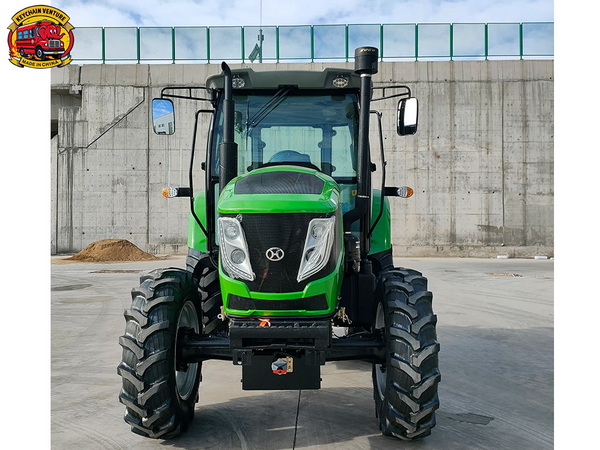
Before starting your search for a used tractor in Colorado, it is crucial to assess your specific needs and establish a clear budget. Consider the following questions:
- What tasks will the tractor be performing? (e.g., plowing, mowing, hauling)
- How many acres or terrain types will it cover?
- What horsepower (HP) do you require for your operations?
- Do you need additional attachments like a loader, backhoe, or bush hog?
- How much do you want to spend?
Setting realistic expectations allows you to narrow your search, ensuring you don't overspend on features you don't need or end up with equipment that is underpowered for your tasks. For example, for light landscaping or small acreage, a compact used tractor with around 30-50 HP may suffice, while larger farming operations may require more powerful machines.
One of the safest options for buying a used tractor is through dealerships in Colorado. Reputable dealers like Legacy Tractor Sales & Service in Fort Collins offer a variety of used tractors from top brands such as John Deere, Kubota, Bobcat, and Massey Ferguson. Dealerships often perform inspections and maintenance on their used tractors, providing better assurance of quality. Moreover, many dealers offer financing options and warranty packages.
Farm auctions and estate sales can be excellent places to find cheap used tractors, sometimes at significantly reduced prices. However, auctions tend to require some mechanical knowledge and careful judgment, as you may not have a chance for thorough inspections or test drives before bidding.
Platforms like Facebook Marketplace, Craigslist, and Equipment Trader have numerous listings for used tractors in Colorado. Buying from private sellers can often yield bargains but comes with higher risk, as private sellers may not provide warranties or accurate equipment history.
Thorough inspection is critical when buying a used tractor to avoid unexpected repair costs. Here is a checklist of key aspects to evaluate:
- Engine Condition: Check for excessive smoke, leaks, or strange noises when the engine is running.
- Hydraulic System: Test for smooth operation of hydraulic lifts and loaders.
- Transmission and Brakes: Ensure the tractor shifts smoothly and brakes effectively.
- Tires and Wheels: Look for tire wear or damage which might need replacement.
- Rust and Body: Surface rust is common but extensive rust on the frame or engine parts can indicate neglect.
- Hours of Use: A tractor's hour meter gives an indication of its working life; lower hours usually mean less wear.
- Maintenance Records: Request any service history to verify regular care.
If you are not mechanically inclined, consider hiring a professional mechanic to perform a detailed inspection to avoid costly errors.
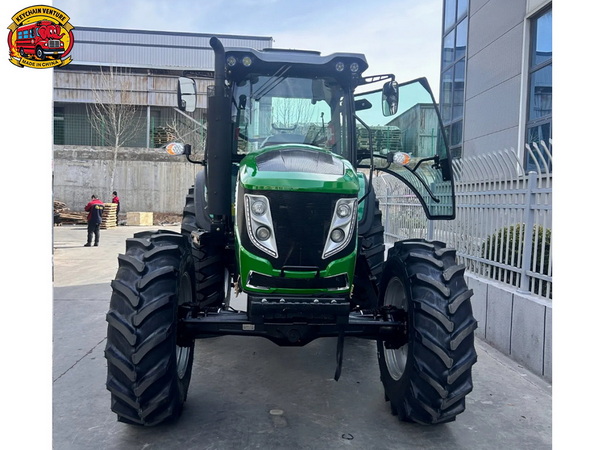
Always arrange a test drive before committing to a purchase. During the test drive:
- Operate the tractor on various terrains if possible.
- Test all gear ranges and verify smooth shifting.
- Engage the PTO (Power Take-Off) and attachments.
- Listen for unusual sounds and watch for smoke.
- Check responsiveness of the steering and brakes.
This hands-on experience helps verify if the tractor is suitable and functional for your needs.
After a successful inspection and test drive, it's time to negotiate. Keep the following tips in mind:
- Use any discovered repairs or minor faults as leverage to reduce the price.
- Ask for copies of maintenance and repair receipts.
- Compare prices of similar models in Colorado to gauge a fair price.
- Be patient; sometimes waiting for the right deal or auction opportunity can save thousands.
While many used tractors are more affordable upfront, consider extra costs such as:
- Taxes, registration, and insurance.
- Transport or delivery fees if the tractor is far away.
- Additional attachments or implements like loaders, mowers, or plows.
- Scheduled maintenance and repairs after purchase.
Some dealers offer financing plans for used tractors, making payments manageable over time.
Proper maintenance extends the life of your used tractor:
- Regular oil and filter changes
- Keeping hydraulic fluids topped up
- Checking and adjusting tire pressure
- Cleaning and inspecting implements regularly
Following a maintenance schedule ensures your investment stays in top condition and performs efficiently.
Each tractor brand and model has strengths and weaknesses, and their value can vary significantly depending on their reputation for reliability and availability of parts. Popular brands like John Deere, Kubota, and New Holland often have better resale value and easier access to parts and service centers in Colorado.
Tractor prices can fluctuate throughout the year. The off-season, particularly late fall to winter, might offer better deals when demand is lower. Conversely, prices often rise in spring before planting seasons, so timing your purchase accordingly can lead to savings.
Some tractors, especially older models, may need to comply with state safety or emission regulations. Make sure the used tractor you are considering meets Colorado's requirements to avoid troubles with registration or operation.
If buying through a dealership, inquire about warranties or return policies. Even a limited warranty can provide peace of mind for a used tractor purchase, offering recourse if major mechanical issues arise soon after the sale.
Buying a cheap used tractor in Colorado is an excellent way to get the power and versatility needed for your agricultural or landscaping projects while staying budget-friendly. By understanding your needs, choosing the right purchasing channels, thoroughly inspecting potential tractors, taking test drives, and negotiating smartly, you can secure a reliable used tractor that suits your requirements. Don't forget to budget for financing and maintenance, and invest in proper care to maximize your tractor's working lifespan. With patience and informed decision-making, your purchase will be a valuable asset to your work for years to come.

Dealerships like Legacy Tractor Sales & Service in Fort Collins are reliable, but auctions, private sellers, and online marketplaces are also options depending on your comfort with risk and mechanical inspection.
Prices vary widely based on brand, horsepower, age, and condition. Expect compact tractors to start around $10,000 to $15,000, while larger models can be significantly more.
Perform a thorough visual inspection, check engine and hydraulic functions, verify maintenance records, and take the tractor for a test drive. Hiring a mechanic is recommended for detailed evaluations.
Yes, many dealerships offer financing plans with easy credit approval, which can make a higher-quality used tractor more affordable.
Besides the purchase price, consider taxes, delivery fees, registration, insurance, implements, and maintenance costs.


