
Views: 222 Author: Amanda Publish Time: 2025-11-14 Origin: Site


Content Menu
● Why Dump Truck Insurance Matters
● Types of Dump Truck Insurance Coverage
>> Non-Trucking Liability and Bobtail Coverage
>> General Liability Insurance
● Factors Influencing Dump Truck Insurance Costs
>> Truck Value and Specifications
>> Driver Experience and Record
>> Location and Operating Territory
>> Cargo Type and Hauling Frequency
>> Coverage Options and Deductibles
● How Does Dump Truck Insurance Work?
● Steps to Secure Dump Truck Insurance
● Dump Truck Insurance Cost Breakdown
● Common Mistakes to Avoid When Insuring Dump Trucks
● Legal and Compliance Requirements
● Tips to Lower Dump Truck Insurance Premiums
● What to Look for in a Dump Truck Insurance Provider
● FAQ
>> 1. What types of vehicles are covered by dump truck insurance?
>> 2. How is my dump truck insurance premium calculated?
>> 3. Does dump truck insurance include coverage for cargo damage?
>> 4. What's the minimum legal requirement for dump truck liability insurance?
>> 5. Are employees covered under dump truck insurance?
>> 6. How can I reduce my dump truck insurance costs?
>> 7. Are accidents off-duty covered by dump truck insurance?
>> 8. Is dump truck insurance mandatory for farm-use vehicles?
Insurance for dump trucks is essential for commercial operators, contractors, and logistics companies who want protection against financial risks like accidents, cargo loss, liability claims, and unforeseen events. As dump trucks serve the backbone of construction, mining, and transport industries, owners must understand both the costs and coverage options that come with insuring these high-value vehicles.[1][2][7]
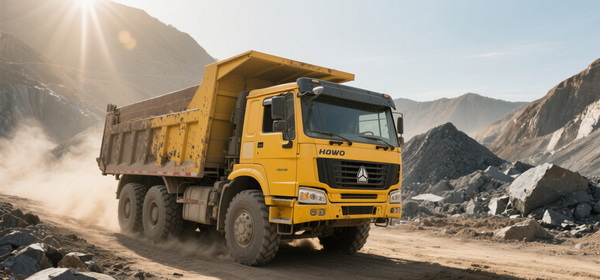
Operating a dump truck involves significant risks—from hauling tons of material across congested roads to operating at construction sites. Dump truck insurance acts as a shield, protecting businesses from costly lawsuits, vehicle repair expenses, cargo loss, and business interruption. Without adequate coverage, even a single incident can threaten your business continuity and financial stability.[5][7]
Liability coverage is the minimum legal requirement for any dump truck operation. This protects you from the costs associated with causing injury or property damage to third parties in an accident. Most states mandate substantial liability limits for dump trucks due to the high damage potential these vehicles carry, often starting at $750,000 for interstate commerce.[7][1]
This essential coverage ensures your dump truck is protected against damage caused by collisions, theft, vandalism, and natural disasters. It typically includes both comprehensive and collision components, providing financial support to repair or replace vehicles in the event of an incident.[2][6][7]
Cargo insurance is pivotal for dump truck operators transporting valuable or high-risk materials. It covers loss or damage to the materials being hauled, whether dirt, sand, rocks, hazardous chemicals, or construction debris.[4][11]
Non-trucking liability insurance applies when your dump truck is operated for non-business reasons. Bobtail coverage provides financial safety for vehicles running without a trailer, a situation common between contract hauls.[4]
This form of insurance is required if you employ drivers, providing coverage for injuries sustained on the job, medical expenses, and wage compensation. It helps protect both employees and your business from lawsuits and loss due to work-related accidents.[6]
General liability covers risks that occur outside road operations, such as jobsite injuries, damage during loading and unloading, and environmental clean-up liabilities associated with accidental spillage.[6]
Premiums are intrinsically linked to the type, size, age, and value of your dump truck. Heavier and newer vehicles tend to increase insurance rates due to their higher replacement and repair costs.[2][5]
Clean driver records, extensive experience, and completion of safety training programs can significantly lower your insurance rates. Conversely, drivers with histories of accidents, violations, or claims will drive up costs.[5][2][4]
Insurance rates vary depending on the city, state, or region where the truck operates. Urban environments, longer hauling distances, and high-risk areas increase rates due to a greater chance of incidents.[2][5]
Transporting hazardous or high-value cargo increases insurance premiums due to heightened risk. Frequent operation also raises insurance rates, as higher mileage correlates with increased claim likelihood.[12][4]
Choosing comprehensive coverage, lower deductibles, or higher policy limits will raise your monthly and annual premiums. Opting for the bare minimum or higher deductibles may lower your costs but increases business risk.[2]
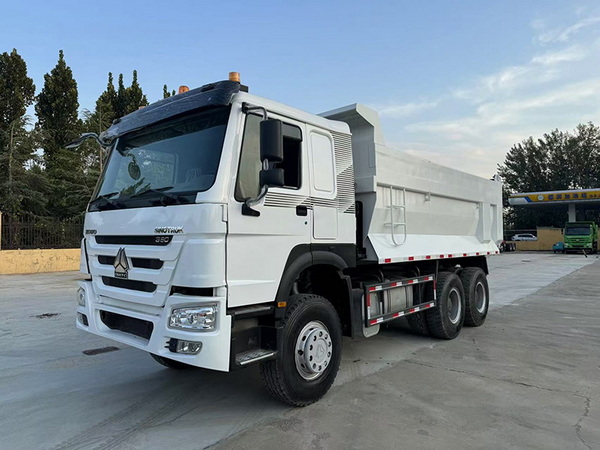
When you purchase dump truck insurance, you select coverage types, limits, and deductibles according to your business needs and budget. If an incident occurs, you file a claim and pay the deductible before the insurer covers the remaining eligible expenses. Insurance pays for damages, repairs, legal fees, or cargo loss as defined by your policy. Comparing quotes from several providers is critical for securing the best rates and adequate protection.[1][7][2]
1. Assess Coverage Needs: Consider the types of coverage (liability, physical damage, cargo, general liability, workers' compensation) required for your operations.[6]
2. Gather Documentation: Compile information on your fleet, drivers' records, cargo types, and business operation details.
3. Research Specialized Insurers: Partner with providers specializing in commercial vehicle insurance to ensure industry-specific support.[6]
4. Compare Quotes: Obtain and compare policies from multiple insurers. Look for robust coverage and competitive rates rather than settling for the cheapest option.
5. Implement Risk Management: Train drivers, maintain vehicles regularly, and adopt safety technologies such as dashcams and telematics systems to reduce future premiums.[13][12]
Annual insurance rates typically range from $2,500 to $8,000 per dump truck, with monthly expenses from $200 to $600 depending on risks, truck value, location, coverage limits, and operational scope. Single-axle trucks incur lower costs versus tandem and triple-axle trucks, with commercial-use policies always higher than farm-use options.[14][15][4][2]
- Underinsuring the Truck: Insufficient coverage can leave your business vulnerable to large financial losses.
- Neglecting Cargo Coverage: Failing to insure valuable loads can lead to loss if damaged or stolen en route.
- Skipping Driver Vetting: Not screening driver records or requiring safety training may increase claims and premiums.[16]
- Ignoring Seasonal Risks: Some policies exclude damages from seasonal hazards like floods or snow unless specially added.
- Not Comparing Providers: Settling for a single insurer can result in overpaying or inadequate policy coverage.[2]
Most states and the Federal Motor Carrier Safety Administration (FMCSA) mandate minimum liability coverage for dump trucks, especially those operating interstate routes or transporting hazardous materials. Proof of financial responsibility is required, and some contracts specify extended coverage including pollution liability, cargo insurance, and workers' compensation.[1][4]
- Hire drivers with clean records and experience.
- Invest in regular safety training and defensive driving courses.
- Maintain vehicles rigorously and install safety devices (GPS, dashcams).
- Choose higher deductibles for lower monthly payments.
- Bundle multiple insurance policies.
- Shop and compare quotes every renewal period.
Selecting a reputable insurance provider is vital. Prioritize companies with strong financial ratings, industry experience, and a responsive claims process. Leading providers offer tailored packages for fleets, flexible deductibles, and expert guidance on minimizing costs while maximizing coverage.[2]
Dump truck insurance is a non-negotiable investment for operators and companies aiming to safeguard their vehicles, cargo, employees, and business reputation. With specialized policies designed for variable risks and operational complexities, owners must carefully assess their insurance needs and proactively manage safety to control costs. From understanding coverage types to navigating compliance and comparing insurers, a solid insurance strategy ensures business continuity and resilience against disruptions.
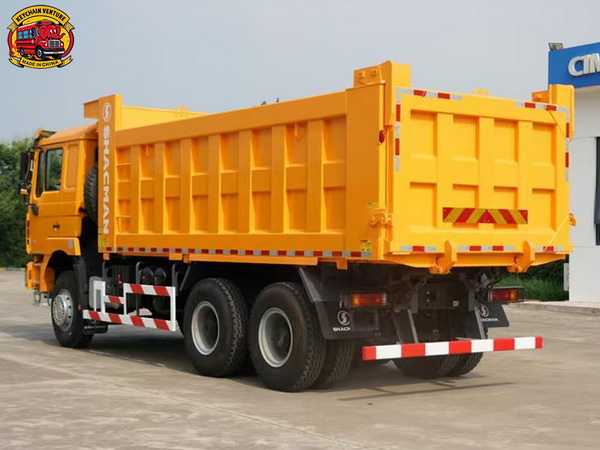
Standard dump trucks, transfer dump trucks, gravel trucks, six/ten-wheelers, and super dump trucks all qualify for dump truck insurance.[5]
Premiums are based on vehicle type, driver records, cargo, location, hauling frequency, coverage limits, and deductibles.[4][5][2]
Yes, with a cargo insurance add-on, most policies will cover loss or damage to materials being hauled.[11][12][4]
For interstate and heavy-duty dump trucks, the federal minimum combines single limit liability coverage of $750,000 or more. States may have different requirements.[17][1][4]
If you employ drivers, you need workers' compensation insurance for any injuries sustained on the job.[6]
Ways to lower premiums include hiring experienced drivers, investing in safety training, maintaining trucks well, opting for higher deductibles, bundling policies, and comparing quotes regularly.[12][13]
Non-trucking liability or bobtail policies cover vehicles when driven for non-business purposes or without a trailer, supplementing standard insurance.[3][18][4]
Farm-use dump trucks require less coverage, often averaging $600 a year, but exact requirements depend on state laws and farm activities.[15][5]
[1](https://www.geico.com/commercial-auto-insurance/truck-insurance/dump-truck-insurance/)
[2](https://www.freightwaves.com/checkpoint/commercial-dump-truck-insurance/)
[3](https://dumptruckdispatcher.com/resources/insurance-considerations-for-a-dump-truck-operation/)
[4](https://www.insureon.com/trucking-business-insurance/dump-trucks/cost)
[5](https://www.einsurance.com/journal/dump-truck-insurance-basics/)
[6](https://www.wexfordins.com/post/insure-your-dump-truck-business-for-protection)
[7](https://www.thehartford.com/commercial-auto-insurance/dump-truck)
[8](https://www.youtube.com/watch?v=d-h2vBYd5DQ)
[9](https://www.e360insurance.com/securing-your-assets-a-complete-guide-to-commercial-truck-insurance/)
[10](https://russellagencyal.com/blog/the-ultimate-guide-to-commercial-truck-insurance-everything-you-need-to-know/)
[11](https://www.linkedin.com/pulse/protecting-your-investment-right-dump-truck-insurance-evztc)
[12](https://portalinsurance.com/decoding-the-factors-influencing-the-cost-of-commercial-trucking-insurance/)
[13](https://insurancehub.com/cost-of-dump-truck-insurance/)
[14](https://copelandins.com/average-dump-truck-insurance-cost-per-month/)
[15](https://www.dumptruckinsurancehq.com/insurance-tips/the-average-cost-of-dump-truck-insurance/)
[16](https://www.wexfordins.com/post/top-mistakes-to-avoid-when-buying-dump-truck-insurance)
[17](https://www.925partners.com/dump-truck-insurance.html)
[18](https://www.freeway.com/insurance-options/commercial-vehicle-insurance/dump-truck-insurance/)


