
Views: 222 Author: Amanda Publish Time: 2025-08-22 Origin: Site


Content Menu
● Understanding the Basics of a Dump Truck Load of Sand
● Factors Affecting the Cost of a Dump Truck Load of Sand
>> 3. Location and Delivery Distance
>> 5. Supplier Pricing Models and Discounts
● Types of Sand and Their Impact on Pricing
● Dump Truck Sizes and Volume Capacities
● Calculating the Cost: Price per Ton vs. Price per Load
● Additional Costs to Consider
● How to Choose the Right Dump Truck Supplier
● Top Tips for Managing Sand Delivery Efficiently
● FAQ
>> 1. How many tons of sand does a dump truck carry?
>> 2. What is the cost per cubic yard for sand delivered by dump truck?
>> 3. Can I order partial loads of sand from a dump truck supplier?
>> 4. How long does delivery usually take for a dump truck load of sand?
>> 5. Are there weight restrictions for dump trucks delivering sand to construction sites?
When it comes to construction, landscaping, or manufacturing projects, sand is one of the most essential raw materials. Whether you are working on a residential driveway, commercial building foundation, or a large-scale public infrastructure project, knowing how much a dump truck load of sand costs is crucial for budgeting and logistics. In this article, we will provide a comprehensive overview of the pricing factors, volume considerations, delivery costs, types of sand, truck sizes, and other vital information related to dump truck loads of sand.
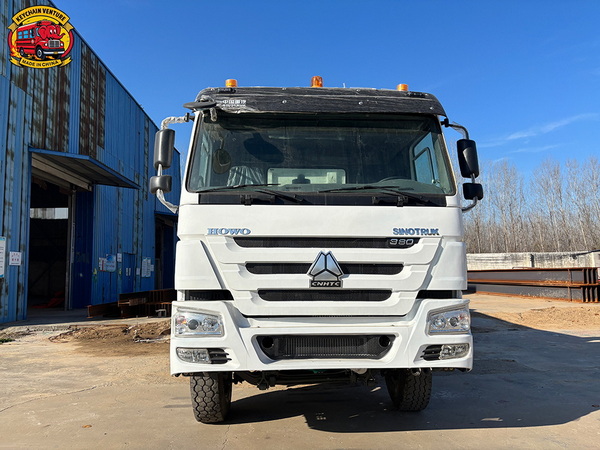
A dump truck load of sand is a common way construction and landscaping companies order bulk sand. A dump truck transports large quantities of loose materials such as sand, gravel, soil, or aggregates.
On average, a standard dump truck can hold about 10 to 16 cubic yards of material. This volume varies significantly depending on the truck size and sand moisture content because wet sand weighs more than dry sand.
The “load” in this context typically means one full load of a dump truck delivered to your site. Knowing this measurement helps you estimate the quantity your project requires, minimizing waste and excessive cost.
Several factors directly impact how much a load of sand will cost when delivered by dump truck:
Different sand types such as concrete sand, masonry sand, or utility sand have different prices. For example, washed and screened concrete sand typically costs more due to processing and better purity standards. Industrial-grade silica sand used for specific manufacturing processes generally carries a premium price as well.
Dump trucks are usually charged either by volume (cubic yards) or by weight (tons). Sand's density—approximately 2700 pounds (or about 1.35 tons) per cubic yard—affects pricing when billed by weight. For projects requiring tight budget control, understanding the conversion between volume and weight helps in negotiating with suppliers.
Delivery fees can substantially impact the total price, especially if the supplier is located far from your job site. Longer distances increase fuel consumption, driver time, and wear on vehicles, all of which are factored into delivery charges. Urban areas may also have higher fees due to traffic congestion or permitting requirements.
Construction activity peaks in warm months, which may drive up sand prices during high-demand seasons like spring and summer. Planning your procurement during off-peak seasons can reduce costs if project timelines allow.
Different suppliers offer varied pricing models, such as flat delivery fees, volume discounts, or minimum order charges. Bulk orders might qualify for reduced rates per ton or per load, while smaller jobs may incur surcharges. Transparent communication with suppliers ensures you understand all potential charges before ordering.
Choosing the right sand type for your project affects not only cost but also structural outcomes:
- Concrete Sand: Coarse, rocky texture ideal for concrete mixing; typically costs between $15 to $35 per ton.
- Masonry Sand: Finer grain sand suitable for mortar and plastering, usually priced around $18 to $40 per ton.
- Utility Sand: General-purpose fill sand used for landscaping and grading, generally the least expensive at $10 to $25 per ton.
- Silica Sand: High-purity sand used in glassmaking and industrial processes, commanding prices from $25 to $50 per ton due to processing demands.
Accuracy in selecting sand type aligns your budget with project performance requirements and reduces the risk of structural failures or costly rework.
Dump trucks come in a variety of sizes, which directly influence how much sand you'll receive per load:
- Small Dump Trucks: Carry 5 to 7 cubic yards and can handle about 5 to 10 tons. These are commonly used for residential or small-scale projects with limited maneuvering space.
- Standard Dump Trucks: Carry 10 to 16 cubic yards, supporting weight between 12 and 20 tons. This category covers most commercial and moderate-sized construction deliveries.
- Large Dump Trucks: Carry 18 to 30+ cubic yards with weight capacity that can exceed 20 tons. Best suited for large infrastructure projects where volume efficiency is key.
The sand's moisture content affects the weight: wet sand can weigh up to 10% more than dry sand, demanding careful consideration of vehicle load limits to ensure compliance with road and safety regulations.
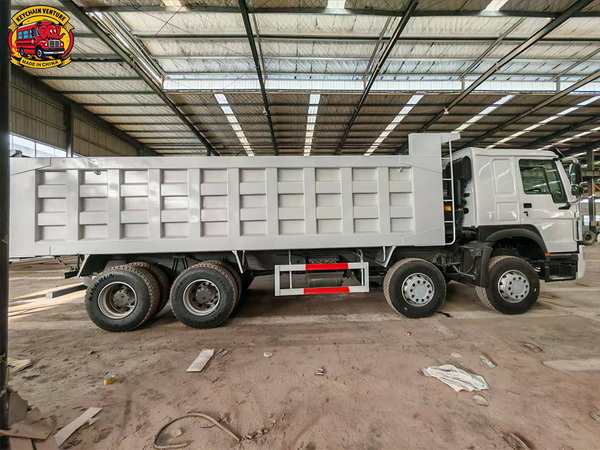
Most suppliers charge by weight (ton), with current market pricing of sand averaging $20 to $50 per ton depending on the sand type, quality, and region. When pricing by the ton, you multiply the sand's weight by the per-ton price:
For example, if sand costs $30 per ton and a dump truck carries 15 tons:
$30 × 15 = $450 for one full truckload
This estimate provides clear pricing for bulk transportation.
Alternatively, some suppliers charge per load rather than weight, calculating fees based on the truck's volume capacity plus delivery:
For a standard dump truck carrying 12 cubic yards, prices can range between $250 to $600 per load considering the sand type and distance of delivery.
Price per load simplifies purchasing but may hide weight variations, so verify sand moisture and density for an exact comparison.
When budgeting for a dump truck load of sand, don't overlook potential additional charges such as:
- Delivery Fee: Separate charges based on distance or fuel surcharges.
- Minimum Order Fee: Some suppliers set a minimum volume below which extra fees apply.
- Tipping or Dumping Fees: Certain sites or municipalities require fees for materials disposal or regulated dumping.
- Waiting Time: Charges incurred if the dump truck must wait longer than scheduled at a job site.
- Permit or Access Fees: Urban or restricted sites may require permits for heavy truck access, which can add to cost.
Understanding these variables before ordering protects your project's bottom line.
Partnering with a high-quality dump truck supplier is essential for timely delivery and material performance. Consider these criteria when making your selection:
- Supplier Reputation: Look for testimonials or references to ensure reliability.
- Product Range: Confirm availability of your required sand type and volume.
- Flexible Delivery Options: Does the supplier offer rush delivery or scheduling outside normal working hours?
- Transparent Pricing: Request detailed quotes that clarify all fees, including delivery and any potential surcharges.
- Customer Service: Responsive support helps manage unforeseen site issues or scheduling changes.
Building a strong relationship with your supplier can yield better prices and priority service over time.
Efficient sand delivery helps avoid snarls or extra costs:
1. Calculate Volume Accurately: Use project drawings or measurement tools to determine precise sand needs, reducing over-ordering.
2. Prepare Delivery Site: Ensure access roads are sturdy and wide enough for dump trucks; clear obstacles to facilitate safe dumping.
3. Schedule Delivery Thoughtfully: Arranging deliveries during off-peak traffic hours eases truck movement and reduces delays.
4. Confirm Weight Limits Locally: Weight restrictions on roads or job sites may restrict certain load sizes, requiring coordination with the supplier.
5. Communicate Site Details Clearly: Provide drivers and dispatchers with exact delivery instructions, including gate codes or contact numbers.
Following these steps minimizes disruption and assures on-time project progress.
The cost of a dump truck load of sand can vary widely depending on sand type, volume, truck size, delivery distance, and supplier pricing models. On average, expect to pay between $250 to $600 per load, or around $20 to $50 per ton. Understanding the differences in sand quality, how moisture affects weight, and how various supplier fees are structured will empower you to manage your material procurement effectively.
By choosing the right sand type, calculating precise volume needs, and selecting a dependable dump truck supplier, you can optimize your project budget while ensuring timely and quality delivery. Proper planning and communication with your supplier are the keys to avoiding surprises and delays in your construction and landscaping projects.
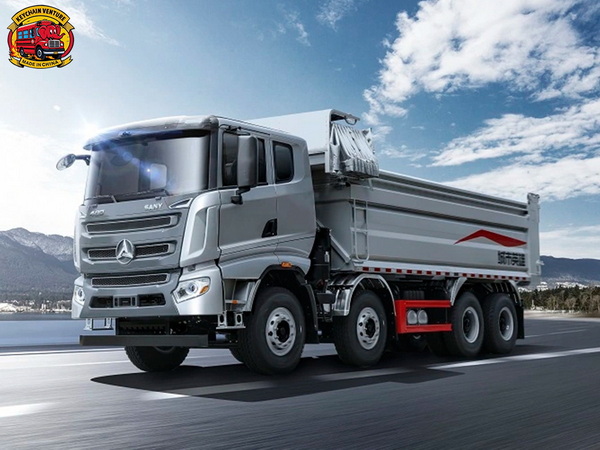
A standard dump truck typically carries between 12 to 20 tons of sand, depending on the truck size and sand moisture. Smaller dump trucks may carry 5 to 10 tons, while larger trucks carry up to 30 tons or more.
Typically, sand delivered by dump truck costs between $15 and $50 per cubic yard, depending on sand type, location, and supplier pricing. Delivery fees may be additional.
Many suppliers allow partial load orders, although they may charge more per unit or have minimum order requirements. Ordering partial loads provides flexibility for smaller projects.
Delivery times vary but often occur within 24 to 72 hours after placing an order. Distance from supplier and scheduling demand can affect lead time.
Yes, most jurisdictions regulate vehicle axle weights and gross vehicle weight to protect roads. Check local regulations and ensure your supplier complies to avoid fines or restricted access.


