
Views: 222 Author: Amanda Publish Time: 2025-09-23 Origin: Site


Content Menu
● Understanding Soil Pulverizers and Their Function
● What Does Tractor Horsepower Mean for Running a Soil Pulverizer?
● Factors Influencing Tractor HP Requirements for Soil Pulverizers
● General Horsepower Recommendations for Soil Pulverizers
● Matching Tractor Power to Different Soil Pulverizer Types
● Benefits of Using the Right HP Tractor to Run a Soil Pulverizer
● Warning Signs of Underpowered Tractor Use in Pulverizing
● Optimizing Tractor and Pulverizer Operation
● Advances in Tractor Technology Benefiting Soil Pulverizing
● Case Example: KeyChain Venture Co., Ltd.'s Solutions for Efficient Tractor-Pulverizer Pairing
● FAQs
>> 1. How do I determine the correct horsepower for my soil pulverizer?
>> 2. Can an underpowered Tractor cause damage when running a pulverizer?
>> 3. Is it necessary to have a 4WD Tractor for soil pulverizing?
>> 4. Can I use a Tractor's PTO to power a soil pulverizer?
>> 5. What modern Tractor features enhance soil pulverizing efficiency?
When mechanizing agricultural operations, tractors play a pivotal role in effectively operating various implements. Among these, soil pulverizers are essential for breaking down clods, smoothing the soil surface, and preparing ideal seedbeds. Choosing the right horsepower (HP) tractor to run a soil pulverizer not only improves field productivity but also enhances fuel efficiency and prolongs the service life of your equipment. This article thoroughly examines how much HP a tractor needs to run a soil pulverizer efficiently. It discusses the factors influencing tractor horsepower requirements, matching tractors to pulverizers, operational tips, and modern technological advances in tractors designed to optimize pulverizer performance. The keyword Tractor is used extensively to maintain SEO effectiveness while ensuring the narrative remains clear and engaging.
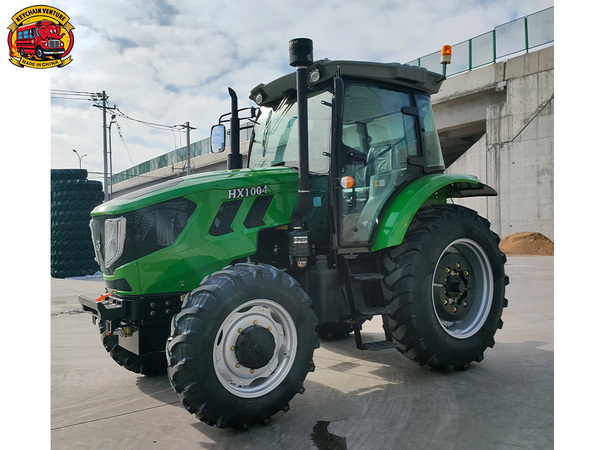
Soil pulverizers are specialized agricultural implements that finely crush and level soil to create an optimal seedbed. After plowing or disking, large clods and uneven terrain may remain, hindering good seed-to-soil contact. Pulverizers address this by breaking soil clumps, smoothing the surface, and sometimes incorporating crop residues back into the soil.
Different types of pulverizers serve varied purposes:
- Ring-harrow Pulverizers: Equipped with notched rings, ideal for breaking clods and smoothing loose soil.
- Blade or Leveling Pulverizers: Use blades or levelling bars to smooth and firm the surface.
- Heavy Rolling Pulverizers: Often fitted with heavy rollers for compacting soil after pulverizing.
The size, weight, and design of the pulverizer greatly affect the horsepower a Tractor must generate to pull or power it through the field efficiently.
Horsepower in a Tractor indicates its power output. It defines the pulling force available to drag implements like soil pulverizers or provide power through power take-off (PTO) shafts if the pulverizer requires powered functionality.
Understanding horsepower ensures operators select a Tractor capable of maintaining working speed and tillage depth without overloading the engine or transmission. Using too low-powered a Tractor can cause:
- Slow or uneven soil pulverizing.
- Mechanical stress on the Tractor and implement.
- Excess fuel consumption.
- Increased wear and tear.
Conversely, a Tractor with far more horsepower than required might be an unnecessary expense and could lead to inefficient fuel use.
The tractor horsepower needed to run a soil pulverizer depends on multiple interconnected factors.
- Width: Wider pulverizers cover more ground but demand more power.
- Weight and Build: Heavier pulverizers need higher drawbar power to operate effectively.
- Powered Implements: Some pulverizers have moving parts driven by PTO; these need Tractor models with compatible PTO power ratings.
- Soil Type: Clay soils are denser and require more energy to break apart than sandy or loamy soils.
- Soil Moisture: Wet or sticky soil can increase resistance, increasing horsepower needs.
- Residue Amount: Fields with heavy crop residue might add to operate resistance.
- Weight and Ballast: A well-ballasted Tractor has better traction and is more efficient delivering power to a pulverizer.
- Drive Type: 4WD tractors provide improved traction compared to 2WD, especially in tough soil conditions.
- Tire Type and Condition: Proper tires help transfer power efficiently to the soil, affecting fuel consumption and draft force.
- Ground Speed: Higher speeds demand more engine power.
- Working Depth: Deeper pulverizing requires increased drawbar pull, increasing HP demand.
Though specific requirements vary, here are approximate horsepower ranges matched to pulverizer size and soil conditions:
For a 4 to 6 feet wide pulverizer:
- Light soils: 45–70 HP
- Medium soils: 65–90 HP
- Heavy soils: 85–110 HP
For a 7 to 10 feet wide pulverizer:
- Light soils: 75–110 HP
- Medium soils: 100–130 HP
- Heavy soils: 120–160 HP
For pulverizers wider than 10 feet:
- Light soils: 120+ HP
- Medium soils: 140+ HP
- Heavy soils: 160+ HP
Operators should adjust these numbers based on specific machine characteristics and real-world testing.
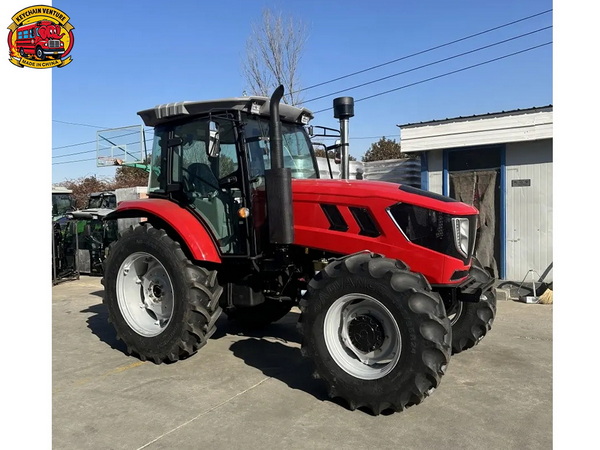
Smaller pulverizers (under 6 feet wide), often used in smaller farms or lighter soil regions, can be efficiently operated with Tractors in the 50 to 90 HP range. These are easy to maneuver and generally lighter in build.
Medium-sized pulverizers (7 to 10 feet wide) used on increasingly larger fields or more challenging soils require Tractors with engines delivering between 90 to 130 HP. This range balances power with fuel economy and allows faster field coverage.
Large pulverizers for commercial-scale agriculture or particularly tough and heavy soils can need tractors exceeding 130 HP, sometimes up to 160+ HP. These machines typically have heavy frames, advanced blade systems, and may rely on PTO-driven functions.
Selecting the appropriate Tractor horsepower offers several advantages:
- Fuel Efficiency: Operating within the engine's ideal power range reduces fuel consumption.
- Optimal Pulverizer Performance: Proper power allows uniform soil pulverizing and desired working depth.
- Reduced Wear and Maintenance: Avoids overloading the Tractor and implement, reducing breakdowns.
- Enhanced Field Productivity: Enables faster operation and better soil preparation within critical planting windows.
- Improved Traction and Stability: Matched ballasting and horsepower prevent excessive slippage and soil compaction.
Users should be vigilant to avoid underpowered operation:
- Constant engine laboring and low RPMs under load.
- Inability to maintain target working speeds despite full throttle.
- Incomplete soil breakdown and visible clods post-pulverizing.
- Frequent overheating or fuel waste.
- Excessive tire slip and inadequate traction.
If these signs appear, it often indicates the Tractor lacks sufficient horsepower or traction for the chosen pulverizer and soil conditions.
Maximizing Tractor efficiency when running a pulverizer involves:
- Correct Tire Inflation and Ballasting: Properly weighted tractors transfer power more effectively.
- Choosing Pulverizer Width Suitable for Tractor HP: Avoid overloading a Tractor beyond its rated drawbar capacity.
- Adjusting Working Depth: Shallower depths reduce HP demands but may require more passes.
- Utilizing PTO Power: If the pulverizer has powered components, ensure the Tractor's PTO matches the requirements.
- Routine Equipment Maintenance: Maintain engines, hydraulics, tires, and pulverizers to prevent drag-inducing issues.
- Using 4WD Models in Difficult Soils: Improves traction and power delivery.
Modern Tractors incorporate technologies that enhance pulverizer operation:
- GPS and Precision Farming: Enable optimized tractor paths for uniform pulverizing reducing overlap and saving fuel.
- Electronic Fuel Injection Engines: Deliver consistent horsepower with better fuel economy.
- Advanced Hydraulics and Implement Control: Provide user-friendly and accurate pulverizer depth and angle adjustments.
- Enhanced Traction Control Systems and 4WD: Maximize power transfer in adverse conditions.
- Telematics and Remote Monitoring: Facilitate maintenance scheduling and operational tracking.
As a leading commercial vehicle supplier from China, KeyChain Venture Co., Ltd. understands customers' needs for agriculture machinery optimized for their environments.
- Offering a broad range of Tractor models tailored from 50 HP to over 160 HP.
- Consultation services to match Tractor horsepower accurately to customer pulverizer equipment and field conditions.
- After-sales training and maintenance programs ensuring machines operate at peak performance.
- Innovative solutions integrating modern Tractor technology ideal for pulverizing and other heavy-duty agricultural tasks.
Choosing the right HP Tractor to run a soil pulverizer is essential for efficient soil preparation, fuel savings, and extending equipment life. The ideal horsepower varies according to pulverizer size, soil type, Tractor features, and operational conditions. Matching these factors ensures smooth pulverizing, better seedbed preparation, and improved productivity. Farmers and contractors must assess their specific field conditions and equipment specifications carefully to select a Tractor that delivers reliable power and performance. Leveraging modern Tractor technologies further optimizes pulverizer effectiveness, enabling better outcomes for agricultural operations.
Assess the pulverizer's working width, design, soil type, and operating depth, then refer to general horsepower guidelines. Match Tractor capabilities to these needs rather than guessing.
Yes. Using insufficient horsepower strains both the Tractor engine and pulverizer components, resulting in poor pulverizing performance, increased component wear, and potential mechanical failure.
While not mandatory for all conditions, 4WD improves traction on heavy or wet soils, allowing better penetration and consistent pulverizing results.
Some pulverizers have powered moving parts requiring PTO input. Ensure that your Tractor has matching PTO power and the correct RPM to safely drive the pulverizer.
Technologies like GPS-guided auto-steering, electronic fuel management, hydraulic implement control, and traction control improve pulverizing precision, reduce fuel consumption, and enhance operator comfort.


