
Views: 222 Author: Amanda Publish Time: 2025-10-09 Origin: Site


Content Menu
● What Is a Dump Truck Load of Sand?
● Factors Influencing the Price of a Dump Truck Load of Sand
>> Regional Pricing Variations
● Typical Costs for a Dump Truck Load of Sand
● How to Calculate How Much Sand You Need?
● Choosing the Right Dump Truck Size for Your Project
>> Common Dump Truck Capacities
● How Sand Is Loaded and Delivered Using Dump Trucks
>> Unloading
● Environmental Considerations When Ordering Sand
● Tips to Save Money on Dump Truck Loads of Sand
● Using Dump Trucked Sand for Different Applications
● Planning Your Sand Delivery for Efficiency
● FAQ
>> 1. How many cubic yards of sand does a dump truck carry?
>> 2. What is the average cost of a dump truck load of sand?
>> 3. How do I calculate exactly how much sand I need?
>> 4. Can I order partial dump truck loads of sand?
>> 5. How long does delivery usually take for a dump truck load of sand?
When planning a construction project or landscaping job, one of the first questions that come to mind is, “How much does a dump truckload of sand cost?” Understanding the cost factors and practical considerations surrounding dump truck sand deliveries is essential for budgeting and project planning. This article delves deeply into everything you need to know about pricing, sizes, loading options, and more to make informed decisions.
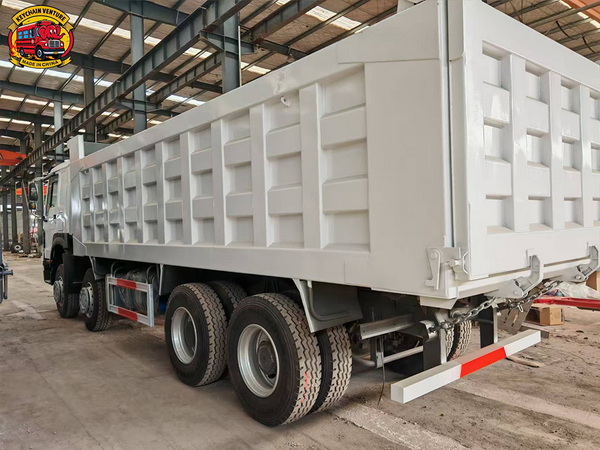
A dump truck load of sand refers to the volume or weight of sand that a standard dump truck can carry in one trip. Sand is often used in construction, landscaping, and road building, making the logistics of transporting sand critical for these industries. Dump trucks come in various sizes, and the capacity affects the cost of sand delivery.
Standard dump trucks typically carry between 10 to 16 cubic yards (about 7.6 to 12.2 cubic meters) of material. Larger dump trucks can carry even more, often employed for heavy-duty construction projects.
Several factors determine how much you will pay for a dump truck load of sand. Understanding these helps you negotiate better deals and weigh your options.
Sand is not just sand — its type heavily influences cost. For example:
- Construction Sand: Clean, coarse sand used in concrete mix costs more.
- Fill Sand: Lower-quality sand used mainly for filling costs less.
- Play Sand: Fine and soft, used for playgrounds, is moderately priced.
- Mason Sand: Very fine sand for masonry work, generally has higher prices.
The size of the load and the number of loads required impact the total price. Ordering in bulk typically reduces the price per cubic yard, making it more economical for large projects.
The distance the dump truck must travel to deliver sand affects fuel consumption, time, and driver labor costs, which are passed on to the customer as delivery fees.
Prices vary between regions due to the availability of materials, labor, transportation infrastructure, environmental regulations, and demand in local markets.
Sand prices can fluctuate seasonally. For example, warmer months often see higher demand for landscaping and construction, which can drive prices up.
If your job includes services like spreading the sand, grading, or site cleanup, suppliers may charge extra for these tasks. Be sure to clarify whether your cost estimate includes these services.
On average, pricing for one dump truck load of sand ranges widely depending on the above factors. Here is a general overview of price ranges:
- Construction Sand: $30 to $50 per cubic yard, resulting in $300 to $800 per load.
- Fill Sand: $10 to $30 per cubic yard, resulting in $100 to $480 per load.
- Play Sand: $25 to $35 per cubic yard, resulting in $250 to $560 per load.
- Mason Sand: $40 to $60 per cubic yard, resulting in $400 to $960 per load.
Note: Delivery fees are usually separate and can range from $50 to $150 or more depending on distance.
Some suppliers offer free delivery within a certain radius or for large orders, so it's always beneficial to check with your provider.
Accurately calculating your sand requirements prevents ordering excess material or falling short. Use these steps for basic volume calculations.
1. Measure Dimensions: Determine the length, width, and depth (thickness) of the area where sand will be applied. Measure all in feet.
2. Calculate Cubic Feet: Multiply length × width × depth.
3. Convert to Cubic Yards: Divide the total cubic feet by 27, since 1 cubic yard equals 27 cubic feet.
For example, a sandbox that is 10 feet long, 5 feet wide, and 0.5 feet deep would require:
10× 5×0.5 = 25 cubic feet
Dividing 25 by 27 gives:
25 / 27≈0.93 cubic yards
Thus, you would need just under one cubic yard of sand for that project.
- When ordering sand for landscaping or concrete bases, add an extra 5-10% to account for compaction and minor waste.
- Confirm sand compaction rates with your supplier or contractor.

Dump trucks range from small to large capacities depending on the application.
- Small Dump Trucks: Carry 5 to 7 cubic yards; ideal for small landscaping or minor construction work.
- Standard Dump Trucks: Carry 10 to 16 cubic yards; the most common for residential and commercial projects.
- Large Dump Trucks: Can carry 20 or more cubic yards, used mostly for large-scale construction or earthmoving.
Selecting the correct truck size reduces unnecessary trips and saves money on delivery costs. Over-ordering leads to wasted material and extra fees for disposal.
The process of moving sand seamlessly from the supply source to your site involves multiple steps.
Sand is usually loaded at a quarry or supplier yard using heavy machinery such as front loaders and conveyor belts. Dump trucks line up to be filled rapidly to avoid delays.
The truck driver secures the load, ensuring it meets road weight limits and safety regulations before driving the sand to your site.
Upon arrival, the dump truck bed tilts hydraulically to unload sand efficiently and with precision. This feature reduces labor and speeds up distribution on-site.
Choosing environmentally responsible suppliers and practices is becoming increasingly important.
- Verify that the sand source complies with local environmental regulations.
- Request recycled or washed sand options where available.
- Discuss dust control and site runoff prevention measures before delivery.
Practicing sustainability supports community standards and often ensures better quality materials.
Several strategies can help you reduce your overall sand costs:
- Order in Bulk: Large quantities usually come with lower per-yard pricing and may include free delivery.
- Compare Suppliers: Contact multiple companies to get competitive quotes.
- Consolidate Deliveries: Coordinate with neighbors or nearby projects to share deliveries and lower individual fees.
- Plan Timing: Ordering during off-peak seasons might result in better pricing and availability.
- Inspect Quality: Avoid cheap sand that could affect project success or require replacement.
Sand is versatile and serves many roles in construction and landscaping.
- Concrete Work: Requires high-quality sand with consistent grades to create strong concrete.
- Landscaping: Used as a base layer or soil amendment.
- Road Construction: Acts as a foundational fill and drainage layer.
- Playgrounds: Play sand is soft, clean, and safe for children.
- Backfilling: Used for filling trenches and holes around utilities and footings.
By understanding your specific project requirements, you ensure you order the right type of sand and quantity.
Before delivery, prepare your site to receive the dump truck load smoothly:
- Ensure a clear path for the truck to access the delivery area.
- Identify where the sand should be dumped.
- Discuss with the supplier if special unloading techniques or equipment are needed.
- Plan for potential weather-related delays.
A well-organized delivery prevents damage to your property, speeds up the project, and reduces overall handling time.
The cost of a dump truck load of sand varies widely depending on sand type, truck size, volume, delivery distance, regional factors, and additional services requested. Understanding these components helps project planners and homeowners budget effectively and make smarter purchasing decisions. Dump trucks simplify sand transportation by offering efficient loading and unloading, making sand delivery a convenient option for many construction and landscaping projects. Applying tips such as ordering in bulk, comparing prices, and preparing your site can result in significant savings. Always consider quality and supplier reputation to avoid problems downstream. With this comprehensive knowledge, you are better equipped to manage your sand needs efficiently and cost-effectively.
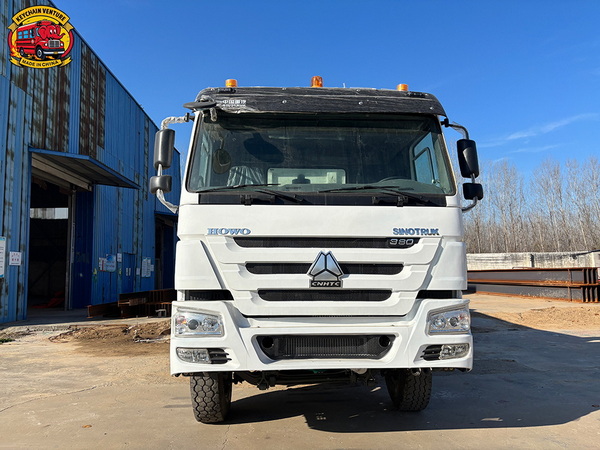
A typical dump truck carries between 10 and 16 cubic yards of sand per load, depending on the truck size.
Costs range from approximately $300 to $900 per load depending on sand type, load size, and delivery fees.
Measure your project's length, width, and depth in feet; multiply to get cubic feet, then divide by 27 to convert to cubic yards.
Some suppliers allow partial loads but they usually come at a higher per-unit price than ordering full truckloads.
Delivery time depends on supplier schedules and distance but typically occurs within 24 to 48 hours after order placement.


