
Views: 222 Author: Amanda Publish Time: 2025-08-21 Origin: Site


Content Menu
● Introduction to Used Excavators
● Factors Affecting the Cost of Used Excavators
>> Condition and Maintenance History
>> Hydraulic System and Attachments
● Typical Price Ranges of Used Excavators
>> Small Excavators (5-10 tons)
>> Medium Excavators (10-30 tons)
>> Large Excavators (30-50 tons)
>> Heavy-Duty Excavators (50+ tons)
● Advantages of Buying a Used Excavator
>> Cost Savings
>> Availability of Diverse Models
>> Proven Performance and Reliability
● Where to Buy Used Excavators
>> Authorized Dealers and Certified Refurbishers
>> Online Marketplaces and Heavy Equipment Auctions
>> Construction and Industrial Companies
● Inspection Tips Before Buying a Used Excavator
● Maintenance Costs and Resale Value
● FAQs
>> 1. How do I determine the right size of a used excavator for my project?
>> 2. Is it better to buy a used excavator from a dealer or an individual?
>> 3. What is the average lifespan of a used excavator?
>> 4. Can I finance the purchase of a used excavator?
>> 5. What are the most common issues in used excavators?
When it comes to construction and heavy machinery, excavators are among the most essential pieces of equipment. For many businesses, purchasing a brand-new excavator can be a significant investment. As an alternative, used excavators provide a cost-effective solution that delivers substantial value without compromising performance. But how much does a used excavator cost? This comprehensive article explores the various factors influencing the price of used excavators, typical price ranges, and tips to make a smart purchase decision.
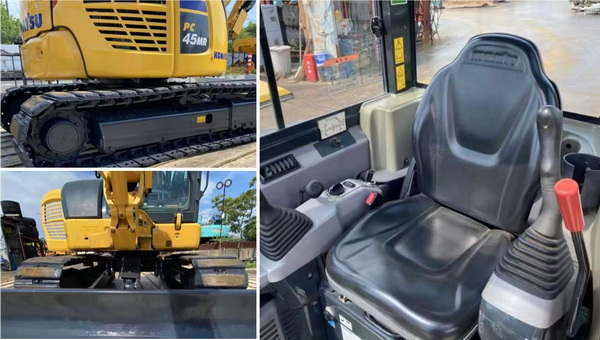
Used excavators are pre-owned machines that have been previously operated for various construction and earthmoving projects. They are widely available in multiple brands, sizes, and models suitable for excavation, demolition, mining, forestry, and other heavy-duty applications. For companies like KeyChain Venture Co., Ltd., a leading commercial vehicle and industrial equipment supplier, understanding the value and costs associated with used excavators allows clients to optimize procurement budgets and project planning.
A typical excavator consists of a boom, stick, bucket, and rotating platform, powered usually by a diesel engine. Variants include compact excavators (mini excavators) and large-scale heavy-duty models. These machines are indispensable for digging trenches, foundations, demolition, material handling, and site preparation.
Several key factors influence the price of a used excavator. Understanding each will help you gauge the right budget and make an informed decision.
Different manufacturers have varying reputations for quality, durability, and aftersales support. Brands like Caterpillar, Komatsu, Hitachi, John Deere, and Volvo tend to command higher resale prices because of their proven reliability, advanced technology, and global service networks. These brands often use industry-leading hydraulic systems and durable engine components, which enhance machine lifespan and operational efficiency.
However, less known or regional brands may offer more affordable options, though buyers should carefully verify their performance and spare parts availability.
Excavators range from small mini-excavators weighing 1-2 tons to massive heavy-duty models exceeding 100 tons. Naturally, larger machines cost more both new and used. For example, mini excavators suited for tight urban sites or landscaping start at lower prices, while heavy-duty machines designed for mining and large-scale construction projects command premium prices.
Selecting the right size is crucial; over-specifying increases costs unnecessarily, while under-sizing reduces project efficiency and safety.
The age of the excavator and its total operating hours significantly impact its market price. Operating hours reflect how much the machine has been used—like mileage for vehicles. A 5-year-old excavator with 2,000 hours will generally cost more than a 10-year-old machine with 10,000 hours, assuming other factors are similar.
However, sometimes a well-maintained older machine may outperform a newer but poorly cared-for unit. Therefore, examining service records is essential.
Maintenance records are a vital indicator of a used excavator's condition. Machines with documented scheduled servicing, OEM parts replacements, and no major repairs retained will fetch higher prices. Key maintenance activities include regular oil and filter changes, hydraulic system checks, track and undercarriage servicing, and engine tune-ups.
Visual signs such as uneven wear, leaks (oil, fuel, coolant), or structural damage can signal costly repairs ahead.
The excavator's hydraulic system is its operational heart, powering boom, arm, bucket, and auxiliary attachments. Hydraulic performance problems—such as leaks, reduced lifting power, or jerky movements—can severely affect productivity and repair costs.
Attachments like breakers, grapples, augers, tiltrotators, and quick couplers add versatility but increase purchase price. High-quality attachments maintained properly also preserve value.
Prices vary by region due to demand, supply inventories, transportation costs, and import/export tariffs. In China, used excavators might be cheaper domestically but could incur shipping and customs costs for international buyers. Conversely, some regions experience equipment shortages driving prices higher.
Construction cycles and economic conditions influence excavator prices. Periods of economic growth or infrastructure booms increase demand and costs, while downturns or seasonal slumps can create buying opportunities.
Monitoring the market and aligning purchases with favorable timings can save significant money.
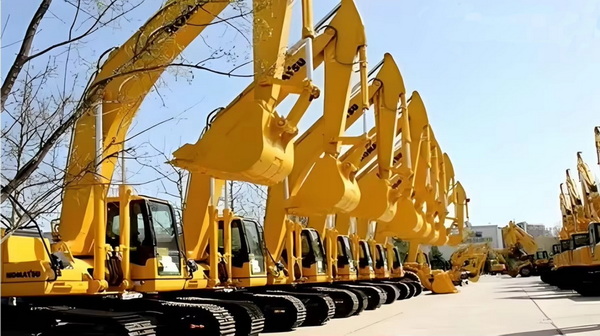
To provide a clearer picture, here is an in-depth overview of typical price ranges by excavator size and usage level reflecting 2025 market conditions:
Used mini excavators are popular in landscaping, municipal projects, and small-scale construction. Prices can be as low as $10,000 for older models with high hours and in average condition, and up to $40,000 for modern, low-hour units from reputable brands. These machines excel at digging in confined spaces and light digging jobs.
These models offer more power for medium tasks like utility installation or small building sites. Used prices generally range from $30,000 to $70,000 depending on condition and hours. Their balance of size and capability makes them highly flexible.
This is the most common class for a variety of civil engineering, road building, and site preparation work. Used machines typically run between $50,000 and $120,000. Buyers get improved digging depth, bucket capacity, and lifting power compared to smaller models.
Heavy construction sites and quarries often use these for larger excavation volumes and lifting heavy materials. Prices are between $100,000 and $250,000 on the used market. Condition and attachments greatly influence final costs.
At the top tier, these machines service mining, large infrastructure projects, and heavy demolition. Due to size and engine power, used purchases start around $200,000 and can exceed half a million dollars for newer or low-hour units.
The most immediate benefit of used excavators is the reduced upfront cost compared to new machinery—often 20-50% lower. This allows smaller companies or projects with tight budgets to access capable equipment.
New machinery undergoes the steepest depreciation within the first 2-3 years. By purchasing used equipment, owners avoid this rapid value loss, resulting in better investment returns over ownership.
The used market often includes discontinued models or customized units that may better match specific job requirements. This broadens options beyond what dealers currently stock new.
When purchased from trusted dealers or well-maintained sources, a used excavator's past operational record can assure dependability. Buyers benefit from real-world testing and performance data.
Many manufacturers and dealers operate certified pre-owned programs that sell used excavators inspected and serviced according to factory standards. These sometimes include limited warranties, giving buyers added confidence.
Digital platforms provide extensive listings with specifications, photos, and price comparisons. Auctions offer opportunities to purchase at competitive prices but require expertise to evaluate condition quickly.
Rental firms periodically rotate their fleets by selling used machines with comprehensive maintenance histories. These units tend to be well-maintained.
Companies upgrade fleets and sell used machinery directly. Purchasing from such sources may allow negotiation and inspection but carries risk if records are unclear.
A hands-on evaluation is critical to avoiding costly surprises. Key inspection points include:
- Visual Inspection: Look for paint condition, structural damage, track or tire wear, bucket condition, and evidence of leaks. Examine welds on booms and arms for cracks.
- Engine and Hydraulic Performance: Operate the engine to listen for knocking, excessive smoke, or overheating. Check hydraulic movements for smoothness and leaks.
- Operating Hours Verification: Confirm the meter reading matches maintenance logs or printouts.
- Test Operation: Verify all controls respond promptly. Check safety devices and monitoring systems.
- Attachment Functionality: Test any additional buckets, breakers, or thumbs for mechanical integrity.
- Documentation Review: Request service history, ownership papers, and warranty info if available.
Engaging experienced technicians or third-party inspectors before purchasing is highly recommended.
Maintaining a used excavator ensures longevity and maximizes return on investment. Expect an annual maintenance budget of approximately 5-10% of equipment cost, covering:
- Scheduled engine tune-ups and oil/filter changes
- Hydraulic fluid and hose replacements
- Undercarriage track or tire servicing
- Electrical system checks
- Software or control system updates for newer models
Proper maintenance also influences resale value. A well-maintained used excavator can hold 60-70% of its value several years after purchase.
The cost of a used excavator is influenced by numerous factors—from brand reputation and machine size to age, condition, hydraulic health, and market trends. With a clear understanding of these elements and a thorough inspection before purchase, buyers can secure powerful, reliable equipment at a fraction of the cost of new models.
For businesses operating in construction, mining, or industrial sectors, used excavators present an excellent balance between affordability and capability. Partnering with experienced suppliers such as KeyChain Venture Co., Ltd. ensures access to quality machinery optimized for client needs, whether domestically or internationally.
By factoring in total ownership costs including maintenance and resale, and aligning machine selection with project demands, buyers gain reliable operational assets that contribute to successful project delivery and business growth.
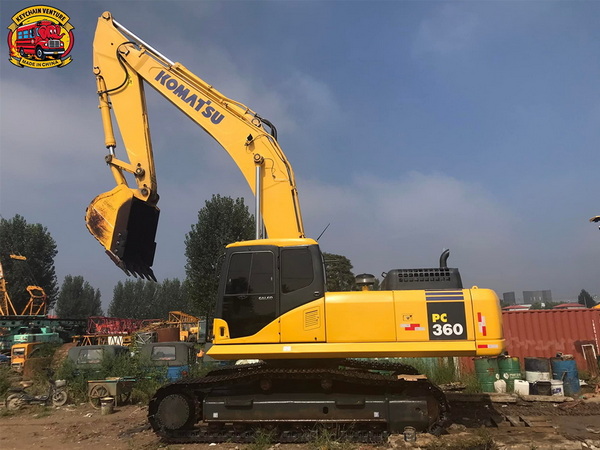
Start by defining your project's digging depth, reach, load capacity, and workspace constraints. Consult equipment specifications and consider expert advice from companies like KeyChain Venture Co., Ltd. Matching size precisely avoids overspending and ensures job efficiency.
Dealers often offer certified machines with warranties and transparent histories, reducing risk. Private sellers may have lower prices but higher uncertainty. If inspecting independently, due diligence is crucial.
Typically, well-maintained excavators can operate reliably for 10,000 to 15,000 engine hours, approximately 7-10 years depending on usage intensity and conditions.
Yes, many financial institutions and equipment dealers provide loan or lease options tailored to used machinery purchases, often with competitive terms.
Common problems include hydraulic leaks, engine wear, corrosion, undercarriage degradation (tracks, rollers), and electrical faults. Comprehensive pre-purchase inspections help mitigate surprise repair costs.


