
Views: 222 Author: Amanda Publish Time: 2025-11-08 Origin: Site


Content Menu
● Core cost drivers for a pulling Tractor
>> Powertrain and engine configuration
>> Induction, fueling, and performance upgrades
>> Frame, chassis, and safety systems
>> Weight, ballast, and class compliance
● Market price bands by category
>> Entry-level and mid-range pulling Tractors
>> High-performance and extensively modified tractors
>> Value-oriented and used-tractor options
>> Financing approaches and incentives
● Life-cycle economics and maintenance
>> Maintenance cadence and parts availability
>> Fuel strategy, efficiency, and operating costs
>> Insurance, risk management, and downtime
● Practical procurement guidance
>> Defining objectives, class strategy, and deployment
>> Supplier evaluation and relationship building
>> Pre-purchase inspections and risk mitigation
● FAQ
>> 1. What factors most influence the price of a pulling Tractor?
>> 2. How does the total cost of ownership differ from the purchase price?
>> 3. Is buying a used pulling Tractor a good idea?
>> 4. What should international buyers consider when financing a Tractor?
>> 5. How important is a supplier's service network for puller Tractors?
A pulling tractor sits at the intersection of raw power, meticulous engineering, and practical economics. For fleet operators, racing clubs, and international buyers seeking high-performance Tractor solutions, understanding price isn't only about the sticker price; it's about total cost of ownership, uptime, and long-term performance. This article delves into the core cost drivers, typical price bands, maintenance commitments, and financing choices that shape what a pulling tractor really costs over its lifecycle. The focus remains on practical, market-ready guidance for buyers who prioritize reliability, service access, and value in Tractor equipment for competitive events or heavy-duty tasks.
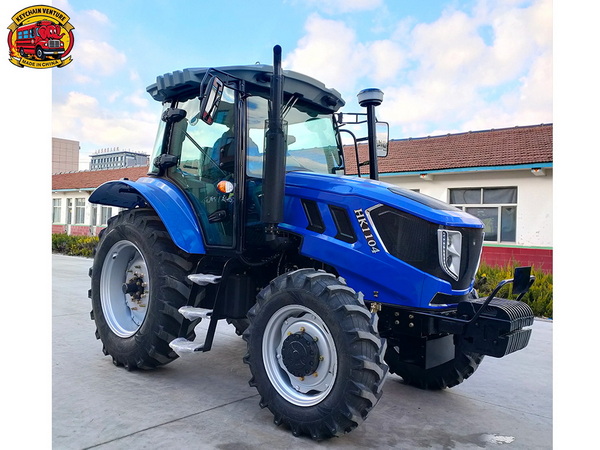
The heart of any pulling Tractor is its engine and powertrain. More horsepower and torque generally translate into faster performance but also demand sturdier internals, cooling systems, and fuel delivery infrastructure. Buyers should map their class requirements against lifecycle costs: higher power can increase maintenance frequency, spare parts consumption, and the need for skilled technicians. Strategic choices about displacement, turbocharging, and engine management directly influence purchase price and ongoing expenses. A well-chosen powertrain balances peak performance with predictable service intervals and parts availability, reducing unplanned downtime. The market increasingly rewards engines designed for reliability under high load, with robust support networks for international buyers. This dimension is a major determinant of both initial cost and long-term viability in global operations. The decision framework should consider class rules, expected competition cadence, and the supplier's track record for durability.
On-track performance enhancements—such as advanced turbochargers, precision fuel systems, and high-strength internals—raise upfront costs and demand specialized maintenance. For a buyer planning multi-event campaigns, evaluating the return on investment for each upgrade is essential: will the incremental power translate into more wins, sponsorship opportunities, or reduced downtime due to faster track progress? A careful optimization approach helps ensure upgrades contribute to lower long-run costs through better reliability and easier serviceability. In international markets, compatibility with local fuel standards and replacement-part lead times can also influence total expenditure and uptime. House-brand versus third-party components, warranty coverage, and technician availability should all factor into the budgeting process.
The frame and safety package are critical both for performance and compliance with governing bodies. Stronger frames, reinforced drivetrains, and advanced suspension systems raise price but also mitigate risk of structural failure under high-load pulls. Safety systems—such as roll cages, harnesses, kill-switch arrangements, and standardized hitch interfaces—are essential for legal competition and worker protection, and they influence resale value. For international buyers, certification and compatibility with regional safety regulations can affect import costs and after-sales support. A well-engineered safety solution often reduces long-term liability and downtime, translating into a favorable total-cost-of-ownership picture over multiple seasons.
Legislation and class rules govern permitted weights and ballast arrangements. The design burden for ballast integration—weights, mounting hardware, and ballast-management tools—can push up initial costs. However, when ballast is optimized for a specific class, it can yield better traction and more consistent performance, potentially reducing unpredictable downtime due to instability or poor tire loading. Understanding the exact class framework and planning ballast strategy accordingly helps prevent over-engineering and unnecessary expenditure, while preserving competitive edge.
Entry-level and mid-range Tractors emphasize reliability, ease of maintenance, and approachable running costs. They typically offer tested powertrain configurations, standard safety features, and support from established dealer networks. Prices in this band reflect a balance between performance goals and total ownership costs, including insurance, parts, and routine maintenance. Buyers often choose these platforms to validate competition strategies before committing to higher-tier builds. International buyers appreciate accessible service coverage and predictable lead times for spare parts, enabling smoother cross-border operations.
At the top end, pulling Tractors with customized engines, advanced turbo systems, and reinforced drivetrains command premium prices. These machines are highly tailored to specific classes, sponsor expectations, and race formats. The initial investment is substantial, and ongoing costs—specialist labor, bespoke tuning, and premium parts—are equally significant. Yet for performers targeting elite competition, the performance differential can justify the cost, particularly when supported by a strong service network and ready access to spares across regions.
Used pulling Tractors offer a viable path for cost-conscious buyers seeking return on investment without sacrificing reliability. Value depends on a transparent maintenance history, documented rebuilds, and the availability of spare parts and field support. A thorough pre-purchase inspection, powertrain verification, and market comparables help ensure that used units deliver solid performance without unexpected downtime. International buyers should assess import duties, reconditioning costs, and potential warranty limitations when considering used options.
Financing can dramatically reshape affordability. Options include traditional loans, leasing, and specialized fleet programs. Leasing can lower upfront outlays and align with fleet-refresh cycles, while loans may offer favorable terms for established buyers with solid credit. International purchasers should evaluate currency risk, hedging needs, and the availability of local financing partners with experience in cross-border equipment transactions. Transparent terms, predictable amortization, and warranties on financed assets improve overall investment security.
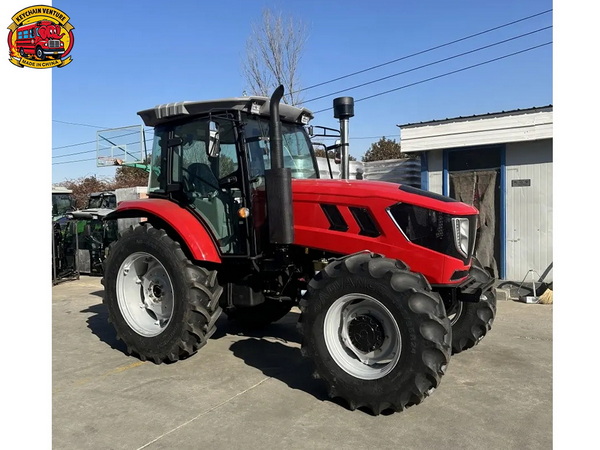
Regular maintenance underpins uptime and performance. A well-planned maintenance program reduces the risk of catastrophic failures during critical pulls. Parts availability—especially for high-demand components such as transmissions, exhaust systems, and safety devices—drives downtime risk and service costs. Establishing regional parts hubs or authorized service networks across key markets can dramatically shorten repair times and preserve competitive windows for international buyers.
Fuel consumption under heavy load directly affects operating costs over a season. While performance often correlates with higher fuel use, smart engine calibration, cooling management, and fuel-system tuning can optimize efficiency without sacrificing power. Buyers should model fuel estimates across typical event profiles, including warm-ups, pulls, and idle times, to better forecast annual fuel spend and scheduling needs.
Comprehensive insurance tailored to high-performance Tractor fleets protects asset value and supports risk management strategies. Downtime costs—caused by repairs, part shortages, or calibration needs between events—constitute a significant portion of the total ownership cost. A proactive approach, including spare parts lists, cross-border logistics planning, and on-site maintenance capabilities, minimizes downtime and protects return on investment.
Before purchasing, articulate clear objectives: class targets, event calendars, and uptime goals. A disciplined approach helps identify the most cost-effective powertrain and safety configuration, ensuring resources align with expected competition intensity or job-site reliability demands.
Choose suppliers with verifiable track records, transparent pricing, and robust after-sales support. International buyers should seek partners with experience in cross-border logistics, clear warranties, and ready access to technical support and spare parts. A strong supplier relationship reduces risk and shortens time-to-start for new teams entering international circuits.
For used tractors or high-value builds, comprehensive inspections—covering powertrain integrity, frame safety, and ignition/fueling systems—help preempt costly surprises. Documentation such as maintenance logs, rebuild records, and warranty transferability should be reviewed to gauge long-term risk.
Cost is more than the sticker price; it encompasses power-to-weight efficiency, reliability under load, spare-parts accessibility, maintenance discipline, and the ability to sustain uptime across events and seasons. By choosing the right engine configuration, aligning upgrades with class rules, and establishing a robust service network, buyers can secure a Tractor that delivers consistent performance and long-term value for international buyers and fleet operators alike. With thoughtful purchasing, clear maintenance planning, and a global parts/support strategy, a pulling Tractor becomes a cornerstone asset for competitive teams and business operations.
A: horsepower, powertrain design, safety systems, ballast options, and component quality all shape the price, with high-end builds commanding premium costs.
A: Total cost of ownership includes maintenance, parts, fuel, insurance, downtime, and depreciation, not just the upfront price.
A: Used units can offer value, but require careful inspection, documented maintenance history, and consideration of potential rebuild and parts availability.
A: Financing terms, currency risk, import duties, shipping, and after-sales support are critical factors in total affordability.
A: A robust service network reduces downtime, ensures timely parts access, and supports consistent competition performance.
[1](https://amtec.uplb.edu.ph/wp-content/uploads/2023/02/PNS.BAFS-345.2022_PNS-Walking-Type-Agricultural-Tractor-%E2%80%94-Specifications-%E2%80%94-Part-1_Pull-type.pdf)
[2](https://maineantiquetractorclub.com/pulling/safety-pulling-rules/farm-tractor-pulling-rules/)
[3](https://www.dpi.nsw.gov.au/__data/assets/pdf_file/0009/1315287/primefact-estimating-tractor-power-needs.pdf)
[4](https://tractorpulling.com/wp-content/uploads/2020/06/Rulebook-etpc-2020.pdf)
[5](https://ntpapull.com/pulling-101/)
[6](https://outlawpulling.com/wp-content/uploads/2020/07/2020-OTTPA-Rule-Book-V4.pdf)
[7](https://www.fmworldagri.com/tractor-horsepower-chart.html)
[8](https://www.ptpapullers.com/how-to-get-started-in-tractor-pulling/)
[9](https://dewesoft.com/blog/perfomance-tuning-in-tractor-pulling-sport)
[10](https://www.enginebuildermag.com/2017/03/ntpa-tractor-pulling-powerplants-big-size-big-horses-big-torque/)


